Foram encontradas 20 questões.
Disciplina: Inglês (Língua Inglesa)
Banca: COTEC
Orgão: Pref. Cachoeira Pajeú-MG
Study: girls read and write better than boys
Girls are better at reading and writing than boys as early as fourth grade, according to a study, and the gap continues to widen until senior year.
Scientists generally agree that boys and girls are psychologically more alike than they are different. But reading seems to be an exception, with growing evidence suggesting a similar pattern in writing. The study, published in the journal American Psychologist, provided further evidence to support this view.
David Reilly, lead author of the study and a doctoral student at Griffith University in Queensland, Australia, said the study questioned the commonly held belief that boys and girls start grade school with the same cognitive abilities.
"It appears that the gender gap for writing tasks has been greatly underestimated, and that despite our best efforts with changes in teaching methods does not appear to be reducing over time," he said.
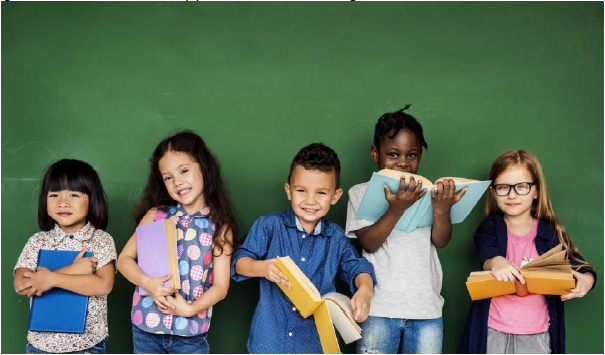
Factors explaining the results could include learning difficulties being more prevalent among boys; the pressure to conform to masculine ideals and the idea of reading and language being feminine; and slight differences in how boys and girls use their brain hemispheres, the authors believe.
To investigate how literacy levels differed between boys and girls in the U.S., the team at Griffith University studied data collected over three decades in the National Assessment of Educational Progress. This database of test scores on over 3.9 million students in the fourth, eighth, and 12th. grades broke down national and state performances in a range of subjects, and considered such variables such as disabilities or whether children were English learners. Reading and writing was measured according to children’s understanding of a range of different passages and genres, for instance reports, poetry and essays.
Overall, girls were found to perform significantly better in reading and writing tests by fourth grade when compared with boys of the same age. As children progressed to eighth and 12th grades, girls continued to overtake boys, but the difference was more pronounced in writing than reading.
But what caused this divergence in abilities? Evidence suggests behavioral problems, such as being disruptive in class or being aggressive could be linked to neurological conditions, the authors wrote. What is known as lateralization, or the tendency for some functions to occur on one side of the brain, could also play a role. Boys are believed to use one hemisphere when reading or writing, while girls appear to use both.
The data did not, however, provide evidence to argue in favor of the two genders having different learning styles, and therefore the research should not be used promote single-sex schooling.
Keith Topping, a professor of educational and social research at the University of Dundee, told Newsweek while the study’s findings on reading were not particularly surprising, he explained: “what is new is the information about writing. This is not entirely surprising, as better readers make better writers. But the gap in writing is wider than the gap in reading, so clearly something else is going on as well.” [...]
GANDER, Kashmira. Study: girls read and write better than boys. Source: <https://www.newsweek.com/american-girls-read-andwrite- better-boys-1130451>. Access on: sept. 22nd, 2018.
Questions 2 and 3 refer to the paragraph on the lines 8-9: “‘It appears that the gender gap for writing tasks has been greatly underestimated, and that despite our best efforts with changes in teaching methods does not appear to be reducing over time,’ he said”.
The pronoun “he” in the end of the paragraph substitutes:
Provas

Disciplina: Inglês (Língua Inglesa)
Banca: COTEC
Orgão: Pref. Cachoeira Pajeú-MG
Study: girls read and write better than boys
Girls are better at reading and writing than boys as early as fourth grade, according to a study, and the gap continues to widen until senior year.
Scientists generally agree that boys and girls are psychologically more alike than they are different. But reading seems to be an exception, with growing evidence suggesting a similar pattern in writing. The study, published in the journal American Psychologist, provided further evidence to support this view.
David Reilly, lead author of the study and a doctoral student at Griffith University in Queensland, Australia, said the study questioned the commonly held belief that boys and girls start grade school with the same cognitive abilities.
"It appears that the gender gap for writing tasks has been greatly underestimated, and that despite our best efforts with changes in teaching methods does not appear to be reducing over time," he said.
Factors explaining the results could include learning difficulties being more prevalent among boys; the pressure to conform to masculine ideals and the idea of reading and language being feminine; and slight differences in how boys and girls use their brain hemispheres, the authors believe.
To investigate how literacy levels differed between boys and girls in the U.S., the team at Griffith University studied data collected over three decades in the National Assessment of Educational Progress. This database of test scores on over 3.9 million students in the fourth, eighth, and 12th. grades broke down national and state performances in a range of subjects, and considered such variables such as disabilities or whether children were English learners. Reading and writing was measured according to children’s understanding of a range of different passages and genres, for instance reports, poetry and essays.
Overall, girls were found to perform significantly better in reading and writing tests by fourth grade when compared with boys of the same age. As children progressed to eighth and 12th grades, girls continued to overtake boys, but the difference was more pronounced in writing than reading.
But what caused this divergence in abilities? Evidence suggests behavioral problems, such as being disruptive in class or being aggressive could be linked to neurological conditions, the authors wrote. What is known as lateralization, or the tendency for some functions to occur on one side of the brain, could also play a role. Boys are believed to use one hemisphere when reading or writing, while girls appear to use both.
The data did not, however, provide evidence to argue in favor of the two genders having different learning styles, and therefore the research should not be used promote single-sex schooling.
Keith Topping, a professor of educational and social research at the University of Dundee, told Newsweek while the study’s findings on reading were not particularly surprising, he explained: “what is new is the information about writing. This is not entirely surprising, as better readers make better writers. But the gap in writing is wider than the gap in reading, so clearly something else is going on as well.” [...]
GANDER, Kashmira. Study: girls read and write better than boys. Source: <https://www.newsweek.com/american-girls-read-andwrite- better-boys-1130451>. Access on: sept. 22nd, 2018.
According to the text, it is CORRECT to state that:
Provas
Disciplina: Inglês (Língua Inglesa)
Banca: COTEC
Orgão: Pref. Cachoeira Pajeú-MG
Study: girls read and write better than boys
Girls are better at reading and writing than boys as early as fourth grade, according to a study, and the gap continues to widen until senior year.
Scientists generally agree that boys and girls are psychologically more alike than they are different. But reading seems to be an exception, with growing evidence suggesting a similar pattern in writing. The study, published in the journal American Psychologist, provided further evidence to support this view.
David Reilly, lead author of the study and a doctoral student at Griffith University in Queensland, Australia, said the study questioned the commonly held belief that boys and girls start grade school with the same cognitive abilities.
"It appears that the gender gap for writing tasks has been greatly underestimated, and that despite our best efforts with changes in teaching methods does not appear to be reducing over time," he said.
Factors explaining the results could include learning difficulties being more prevalent among boys; the pressure to conform to masculine ideals and the idea of reading and language being feminine; and slight differences in how boys and girls use their brain hemispheres, the authors believe.
To investigate how literacy levels differed between boys and girls in the U.S., the team at Griffith University studied data collected over three decades in the National Assessment of Educational Progress. This database of test scores on over 3.9 million students in the fourth, eighth, and 12th. grades broke down national and state performances in a range of subjects, and considered such variables such as disabilities or whether children were English learners. Reading and writing was measured according to children’s understanding of a range of different passages and genres, for instance reports, poetry and essays.
Overall, girls were found to perform significantly better in reading and writing tests by fourth grade when compared with boys of the same age. As children progressed to eighth and 12th grades, girls continued to overtake boys, but the difference was more pronounced in writing than reading.
But what caused this divergence in abilities? Evidence suggests behavioral problems, such as being disruptive in class or being aggressive could be linked to neurological conditions, the authors wrote. What is known as lateralization, or the tendency for some functions to occur on one side of the brain, could also play a role. Boys are believed to use one hemisphere when reading or writing, while girls appear to use both.
The data did not, however, provide evidence to argue in favor of the two genders having different learning styles, and therefore the research should not be used promote single-sex schooling.
Keith Topping, a professor of educational and social research at the University of Dundee, told Newsweek while the study’s findings on reading were not particularly surprising, he explained: “what is new is the information about writing. This is not entirely surprising, as better readers make better writers. But the gap in writing is wider than the gap in reading, so clearly something else is going on as well.” [...]
GANDER, Kashmira. Study: girls read and write better than boys. Source: <https://www.newsweek.com/american-girls-read-andwrite- better-boys-1130451>. Access on: sept. 22nd, 2018.
Considering the sentence “But the gap in writing is wider than the gap in reading, so clearly something else is going on as well.” (lines 30-31), its CORRECT negative form is:
Provas
O caminho de volta
Como encontrar o que é de fato essencial na vida da gente, das coisas às amizades e sentimentos
Em seu livro É tudo tão simples, Danuza Leão conta que passou metade da vida adquirindo coisas e que agora, na segunda metade, luta para se livrar delas. O dilema me soa familiar. Há anos o meu excesso de roupas e objetos me desorganiza. Até para me desfazer dele eu dispendo uma parte razoável do meu tempo.
Quando o que temos exige mais de nós do que nos serve, é hora de repensar. O que não é fácil, para quem nasceu sob a lógica do consumo. Oscilo entre a lucidez de Danuza e a euforia dos momentos em que um fatiador de ovo cozido parece a solução de uma vida.
Há alguns dias, uma conversa com minha amiga Hilaine Yaccoub ajustou meu olhar. Doutora em antropologia do consumo, Hilaine nasceu em Niterói e escolheu a Barreira do Vasco (RJ) para sua pesquisa de campo. Para imergir como uma antropóloga, não bastava ir àquela favela. Era preciso viver nela. Foi o que fez, de 2011 a 2015. Sua vizinha e amiga na Barreira, a presidente da associação dos moradores da comunidade, Vaninha, prepara diariamente cachorro-quente ou pipoca para as crianças. Hilaine cansou de ouvi-la pedindo à filha para ir "à casa da Sílvia pegar a pipoqueira". Até que não resistiu à pergunta: "Por que você não compra a própria pipoqueira?". A resposta foi precisa: "Olha o tamanho da minha cozinha. Se eu for comprar tudo o que eu preciso, quem vai morar na minha casa são as coisasC". Começava ali o aprendizado que Hilaine chama de "conversão". Resta saber quem foi que fez o doutorado ali. "Empatia não é só se colocar no lugar do outro, é ser impactado pela emoção do outro", provoca Hilaine. Ela saiu da Barreira transformada pela lição. Prova disso é que lança em breve um livro sobre essa experiência — não é justo guardar para si um aprendizado dessa dimensão.
Seu problema atual é encontrar um título para a obra. Resumir sua vivência a poucas palavras empobrece seu significado. Como costuma ser o conceito de favela no imaginário de quem não mora lá. Já na visão dos moradores, somos nós os esquisitos, por demorarmos tanto a desaprender esse individualismo que nos deteriora e enfraquece. Na favela, as coisas sempre foram assim. "Lá se aprende, desde pequeno, a pensar na necessidade do outro. Não por bondade, mas por estarem todos no mesmo barco", explica Hilaine. São relações niveladas pela vulnerabilidade que forjam os conceitos morais e éticos de um lugar onde a crise não está só de passagem, onde a fragilidade é constante.
Do lado de fora, preferimos nos munir de coisas, na ilusão de que assim estaremos protegidos. E o que chamamos de "redes sociais" só corrobora a solidão. A verdadeira rede social está na favela. Faz tempo que suas leis simples nos indicam o caminho de volta.
(GUERRA, Cris. O caminho de volta. Revista Vida Simples, jun. 2018, p. 56. Adaptado.)
Assinale a alternativa em que se verifica o uso informal da regência verbal.
Provas
Disciplina: Inglês (Língua Inglesa)
Banca: COTEC
Orgão: Pref. Cachoeira Pajeú-MG
Study: girls read and write better than boys
Girls are better at reading and writing than boys as early as fourth grade, according to a study, and the gap continues to widen until senior year.
Scientists generally agree that boys and girls are psychologically more alike than they are different. But reading seems to be an exception, with growing evidence suggesting a similar pattern in writing. The study, published in the journal American Psychologist, provided further evidence to support this view.
David Reilly, lead author of the study and a doctoral student at Griffith University in Queensland, Australia, said the study questioned the commonly held belief that boys and girls start grade school with the same cognitive abilities.
"It appears that the gender gap for writing tasks has been greatly underestimated, and that despite our best efforts with changes in teaching methods does not appear to be reducing over time," he said.
Factors explaining the results could include learning difficulties being more prevalent among boys; the pressure to conform to masculine ideals and the idea of reading and language being feminine; and slight differences in how boys and girls use their brain hemispheres, the authors believe.
To investigate how literacy levels differed between boys and girls in the U.S., the team at Griffith University studied data collected over three decades in the National Assessment of Educational Progress. This database of test scores on over 3.9 million students in the fourth, eighth, and 12th. grades broke down national and state performances in a range of subjects, and considered such variables such as disabilities or whether children were English learners. Reading and writing was measured according to children’s understanding of a range of different passages and genres, for instance reports, poetry and essays.
Overall, girls were found to perform significantly better in reading and writing tests by fourth grade when compared with boys of the same age. As children progressed to eighth and 12th grades, girls continued to overtake boys, but the difference was more pronounced in writing than reading.
But what caused this divergence in abilities? Evidence suggests behavioral problems, such as being disruptive in class or being aggressive could be linked to neurological conditions, the authors wrote. What is known as lateralization, or the tendency for some functions to occur on one side of the brain, could also play a role. Boys are believed to use one hemisphere when reading or writing, while girls appear to use both.
The data did not, however, provide evidence to argue in favor of the two genders having different learning styles, and therefore the research should not be used promote single-sex schooling.
Keith Topping, a professor of educational and social research at the University of Dundee, told Newsweek while the study’s findings on reading were not particularly surprising, he explained: “what is new is the information about writing. This is not entirely surprising, as better readers make better writers. But the gap in writing is wider than the gap in reading, so clearly something else is going on as well.” [...]
GANDER, Kashmira. Study: girls read and write better than boys. Source: <https://www.newsweek.com/american-girls-read-andwrite- better-boys-1130451>. Access on: sept. 22nd, 2018.
In the sentence “Boys are believed to use one hemisphere when reading or writing, while girls appear to use both.” (lines 24-25), the word “both” refers to
Provas
Disciplina: Inglês (Língua Inglesa)
Banca: COTEC
Orgão: Pref. Cachoeira Pajeú-MG
Study: girls read and write better than boys
Girls are better at reading and writing than boys as early as fourth grade, according to a study, and the gap continues to widen until senior year.
Scientists generally agree that boys and girls are psychologically more alike than they are different. But reading seems to be an exception, with growing evidence suggesting a similar pattern in writing. The study, published in the journal American Psychologist, provided further evidence to support this view.
David Reilly, lead author of the study and a doctoral student at Griffith University in Queensland, Australia, said the study questioned the commonly held belief that boys and girls start grade school with the same cognitive abilities.
"It appears that the gender gap for writing tasks has been greatly underestimated, and that despite our best efforts with changes in teaching methods does not appear to be reducing over time," he said.
Factors explaining the results could include learning difficulties being more prevalent among boys; the pressure to conform to masculine ideals and the idea of reading and language being feminine; and slight differences in how boys and girls use their brain hemispheres, the authors believe.
To investigate how literacy levels differed between boys and girls in the U.S., the team at Griffith University studied data collected over three decades in the National Assessment of Educational Progress. This database of test scores on over 3.9 million students in the fourth, eighth, and 12th. grades broke down national and state performances in a range of subjects, and considered such variables such as disabilities or whether children were English learners. Reading and writing was measured according to children’s understanding of a range of different passages and genres, for instance reports, poetry and essays.
Overall, girls were found to perform significantly better in reading and writing tests by fourth grade when compared with boys of the same age. As children progressed to eighth and 12th grades, girls continued to overtake boys, but the difference was more pronounced in writing than reading.
But what caused this divergence in abilities? Evidence suggests behavioral problems, such as being disruptive in class or being aggressive could be linked to neurological conditions, the authors wrote. What is known as lateralization, or the tendency for some functions to occur on one side of the brain, could also play a role. Boys are believed to use one hemisphere when reading or writing, while girls appear to use both.
The data did not, however, provide evidence to argue in favor of the two genders having different learning styles, and therefore the research should not be used promote single-sex schooling.
Keith Topping, a professor of educational and social research at the University of Dundee, told Newsweek while the study’s findings on reading were not particularly surprising, he explained: “what is new is the information about writing. This is not entirely surprising, as better readers make better writers. But the gap in writing is wider than the gap in reading, so clearly something else is going on as well.” [...]
GANDER, Kashmira. Study: girls read and write better than boys. Source: <https://www.newsweek.com/american-girls-read-andwrite- better-boys-1130451>. Access on: sept. 22nd, 2018.
We can find the following conjunction in the text:
Provas
O caminho de volta
Como encontrar o que é de fato essencial na vida da gente, das coisas às amizades e sentimentos
Em seu livro É tudo tão simples, Danuza Leão conta que passou metade da vida adquirindo coisas e que agora, na segunda metade, luta para se livrar delas. O dilema me soa familiar. Há anos o meu excesso de roupas e objetos me desorganiza. Até para me desfazer dele eu dispendo uma parte razoável do meu tempo.
Quando o que temos exige mais de nós do que nos serve, é hora de repensar. O que não é fácil, para quem nasceu sob a lógica do consumo. Oscilo entre a lucidez de Danuza e a euforia dos momentos em que um fatiador de ovo cozido parece a solução de uma vida.
Há alguns dias, uma conversa com minha amiga Hilaine Yaccoub ajustou meu olhar. Doutora em antropologia do consumo, Hilaine nasceu em Niterói e escolheu a Barreira do Vasco (RJ) para sua pesquisa de campo. Para imergir como uma antropóloga, não bastava ir àquela favela. Era preciso viver nela. Foi o que fez, de 2011 a 2015. Sua vizinha e amiga na Barreira, a presidente da associação dos moradores da comunidade, Vaninha, prepara diariamente cachorro-quente ou pipoca para as crianças. Hilaine cansou de ouvi-la pedindo à filha para ir "à casa da Sílvia pegar a pipoqueira". Até que não resistiu à pergunta: "Por que você não compra a própria pipoqueira?". A resposta foi precisa: "Olha o tamanho da minha cozinha. Se eu for comprar tudo o que eu preciso, quem vai morar na minha casa são as coisas". Começava ali o aprendizado que Hilaine chama de "conversão". Resta saber quem foi que fez o doutorado ali. "Empatia não é só se colocar no lugar do outro, é ser impactado pela emoção do outro", provoca Hilaine. Ela saiu da Barreira transformada pela lição. Prova disso é que lança em breve um livro sobre essa experiência — não é justo guardar para si um aprendizado dessa dimensão.
Seu problema atual é encontrar um título para a obra. Resumir sua vivência a poucas palavras empobrece seu significado. Como costuma ser o conceito de favela no imaginário de quem não mora lá. Já na visão dos moradores, somos nós os esquisitos, por demorarmos tanto a desaprender esse individualismo que nos deteriora e enfraquece. Na favela, as coisas sempre foram assim. "Lá se aprende, desde pequeno, a pensar na necessidade do outro. Não por bondade, mas por estarem todos no mesmo barco", explica Hilaine. São relações niveladas pela vulnerabilidade que forjam os conceitos morais e éticos de um lugar onde a crise não está só de passagem, onde a fragilidade é constante.
Do lado de fora, preferimos nos munir de coisas, na ilusão de que assim estaremos protegidos. E o que chamamos de "redes sociais" só corrobora a solidão. A verdadeira rede social está na favela. Faz tempo que suas leis simples nos indicam o caminho de volta.
(GUERRA, Cris. O caminho de volta. Revista Vida Simples, jun. 2018, p. 56. Adaptado.)
Considere o trecho: “E o que chamamos de redes sociais só corrobora a solidão.” (Linhas 25-26). Tendo em vista o contexto em que foi empregado, o verbo “corrobora” significa
Provas
Disciplina: Inglês (Língua Inglesa)
Banca: COTEC
Orgão: Pref. Cachoeira Pajeú-MG
Study: girls read and write better than boys
Girls are better at reading and writing than boys as early as fourth grade, according to a study, and the gap continues to widen until senior year.
Scientists generally agree that boys and girls are psychologically more alike than they are different. But reading seems to be an exception, with growing evidence suggesting a similar pattern in writing. The study, published in the journal American Psychologist, provided further evidence to support this view.
David Reilly, lead author of the study and a doctoral student at Griffith University in Queensland, Australia, said the study questioned the commonly held belief that boys and girls start grade school with the same cognitive abilities.
"It appears that the gender gap for writing tasks has been greatly underestimated, and that despite our best efforts with changes in teaching methods does not appear to be reducing over time," he said.
Factors explaining the results could include learning difficulties being more prevalent among boys; the pressure to conform to masculine ideals and the idea of reading and language being feminine; and slight differences in how boys and girls use their brain hemispheres, the authors believe.
To investigate how literacy levels differed between boys and girls in the U.S., the team at Griffith University studied data collected over three decades in the National Assessment of Educational Progress. This database of test scores on over 3.9 million students in the fourth, eighth, and 12th. grades broke down national and state performances in a range of subjects, and considered such variables such as disabilities or whether children were English learners. Reading and writing was measured according to children’s understanding of a range of different passages and genres, for instance reports, poetry and essays.
Overall, girls were found to perform significantly better in reading and writing tests by fourth grade when compared with boys of the same age. As children progressed to eighth and 12th grades, girls continued to overtake boys, but the difference was more pronounced in writing than reading.
But what caused this divergence in abilities? Evidence suggests behavioral problems, such as being disruptive in class or being aggressive could be linked to neurological conditions, the authors wrote. What is known as lateralization, or the tendency for some functions to occur on one side of the brain, could also play a role. Boys are believed to use one hemisphere when reading or writing, while girls appear to use both.
The data did not, however, provide evidence to argue in favor of the two genders having different learning styles, and therefore the research should not be used promote single-sex schooling.
Keith Topping, a professor of educational and social research at the University of Dundee, told Newsweek while the study’s findings on reading were not particularly surprising, he explained: “what is new is the information about writing. This is not entirely surprising, as better readers make better writers. But the gap in writing is wider than the gap in reading, so clearly something else is going on as well.” [...]
GANDER, Kashmira. Study: girls read and write better than boys. Source: <https://www.newsweek.com/american-girls-read-andwrite- better-boys-1130451>. Access on: sept. 22nd, 2018.
The following word may be considered a synonym of “whether” (line 16):
Provas
O caminho de volta
Como encontrar o que é de fato essencial na vida da gente, das coisas às amizades e sentimentos
Em seu livro É tudo tão simples, Danuza Leão conta que passou metade da vida adquirindo coisas e que agora, na segunda metade, luta para se livrar delas. O dilema me soa familiar. Há anos o meu excesso de roupas e objetos me desorganiza. Até para me desfazer dele eu dispendo uma parte razoável do meu tempo.
Quando o que temos exige mais de nós do que nos serve, é hora de repensar. O que não é fácil, para quem nasceu sob a lógica do consumo. Oscilo entre a lucidez de Danuza e a euforia dos momentos em que um fatiador de ovo cozido parece a solução de uma vida.
Há alguns dias, uma conversa com minha amiga Hilaine Yaccoub ajustou meu olhar. Doutora em antropologia do consumo, Hilaine nasceu em Niterói e escolheu a Barreira do Vasco (RJ) para sua pesquisa de campo. Para imergir como uma antropóloga, não bastava ir àquela favela. Era preciso viver nela. Foi o que fez, de 2011 a 2015. Sua vizinha e amiga na Barreira, a presidente da associação dos moradores da comunidade, Vaninha, prepara diariamente cachorro-quente ou pipoca para as crianças. Hilaine cansou de ouvi-la pedindo à filha para ir "à casa da Sílvia pegar a pipoqueira". Até que não resistiu à pergunta: "Por que você não compra a própria pipoqueira?". A resposta foi precisa: "Olha o tamanho da minha cozinha. Se eu for comprar tudo o que eu preciso, quem vai morar na minha casa são as coisas". Começava ali o aprendizado que Hilaine chama de "conversão". Resta saber quem foi que fez o doutorado ali. "Empatia não é só se colocar no lugar do outro, é ser impactado pela emoção do outro", provoca Hilaine. Ela saiu da Barreira transformada pela lição. Prova disso é que lança em breve um livro sobre essa experiência — não é justo guardar para si um aprendizado dessa dimensão.
Seu problema atual é encontrar um título para a obra. Resumir sua vivência a poucas palavras empobrece seu significado. Como costuma ser o conceito de favela no imaginário de quem não mora lá. Já na visão dos moradores, somos nós os esquisitos, por demorarmos tanto a desaprender esse individualismo que nos deteriora e enfraquece. Na favela, as coisas sempre foram assim. "Lá se aprende, desde pequeno, a pensar na necessidade do outro. Não por bondade, mas por estarem todos no mesmo barco", explica Hilaine. São relações niveladas pela vulnerabilidade que forjam os conceitos morais e éticos de um lugar onde a crise não está só de passagem, onde a fragilidade é constante.
Do lado de fora, preferimos nos munir de coisas, na ilusão de que assim estaremos protegidos. E o que chamamos de "redes sociais" só corrobora a solidão. A verdadeira rede social está na favela. Faz tempo que suas leis simples nos indicam o caminho de volta.
(GUERRA, Cris. O caminho de volta. Revista Vida Simples, jun. 2018, p. 56. Adaptado.)
De acordo com o texto, viver na favela permitiu à antropóloga, EXCETO
Provas
O caminho de volta
Como encontrar o que é de fato essencial na vida da gente, das coisas às amizades e sentimentos
Em seu livro É tudo tão simples, Danuza Leão conta que passou metade da vida adquirindo coisas e que agora, na segunda metade, luta para se livrar delas. O dilema me soa familiar. Há anos o meu excesso de roupas e objetos me desorganiza. Até para me desfazer dele eu dispendo uma parte razoável do meu tempo.
Quando o que temos exige mais de nós do que nos serve, é hora de repensar. O que não é fácil, para quem nasceu sob a lógica do consumo. Oscilo entre a lucidez de Danuza e a euforia dos momentos em que um fatiador de ovo cozido parece a solução de uma vida.
Há alguns dias, uma conversa com minha amiga Hilaine Yaccoub ajustou meu olhar. Doutora em antropologia do consumo, Hilaine nasceu em Niterói e escolheu a Barreira do Vasco (RJ) para sua pesquisa de campo. Para imergir como uma antropóloga, não bastava ir àquela favela. Era preciso viver nela. Foi o que fez, de 2011 a 2015. Sua vizinha e amiga na Barreira, a presidente da associação dos moradores da comunidade, Vaninha, prepara diariamente cachorro-quente ou pipoca para as crianças. Hilaine cansou de ouvi-la pedindo à filha para ir "à casa da Sílvia pegar a pipoqueira". Até que não resistiu à pergunta: "Por que você não compra a própria pipoqueira?". A resposta foi precisa: "Olha o tamanho da minha cozinha. Se eu for comprar tudo o que eu preciso, quem vai morar na minha casa são as coisas". Começava ali o aprendizado que Hilaine chama de "conversão". Resta saber quem foi que fez o doutorado ali. "Empatia não é só se colocar no lugar do outro, é ser impactado pela emoção do outro", provoca Hilaine. Ela saiu da Barreira transformada pela lição. Prova disso é que lança em breve um livro sobre essa experiência — não é justo guardar para si um aprendizado dessa dimensão.
Seu problema atual é encontrar um título para a obra. Resumir sua vivência a poucas palavras empobrece seu significado. Como costuma ser o conceito de favela no imaginário de quem não mora lá. Já na visão dos moradores, somos nós os esquisitos, por demorarmos tanto a desaprender esse individualismo que nos deteriora e enfraquece. Na favela, as coisas sempre foram assim. "Lá se aprende, desde pequeno, a pensar na necessidade do outro. Não por bondade, mas por estarem todos no mesmo barco", explica Hilaine. São relações niveladas pela vulnerabilidade que forjam os conceitos morais e éticos de um lugar onde a crise não está só de passagem, onde a fragilidade é constante.
Do lado de fora, preferimos nos munir de coisas, na ilusão de que assim estaremos protegidos. E o que chamamos de "redes sociais" só corrobora a solidão. A verdadeira rede social está na favela. Faz tempo que suas leis simples nos indicam o caminho de volta.
(GUERRA, Cris. O caminho de volta. Revista Vida Simples, jun. 2018, p. 56. Adaptado.)
Após ler o texto, pode-se inferir que o título “caminho de volta” significa
Provas
Caderno Container