Foram encontradas 40 questões.
No sistema operacional Linux, o comando top pode exibir
uma coluna cujo título é TIME+. No modo não-cumulativo,
essa coluna exibe
Provas
Questão presente nas seguintes provas

No sistema operacional Linux, uma forma de desabilitar o
login de um determinado usuário, sem excluir sua conta, é
Provas
Questão presente nas seguintes provas
- Cloud ComputingCloud Computing: Características
- Cloud ComputingNIST Cloud Computing StandardsNIST SP 500-292
Na arquitetura de referência NIST de computação em nuvem, são definidos alguns atores. O papel do ator conhecido como operador da nuvem é
Provas
Questão presente nas seguintes provas
O balanceamento de carga do tipo round robin é caracterizado por encaminhar cada requisição recebida para o
Provas
Questão presente nas seguintes provas
- LinuxRedes no LinuxFerramentas de Rede (Linux)tcpdump
- LinuxRedes no LinuxMonitoramento de Tráfego de Rede no Linux
Em uma execução do comando tcpdump em um computador com sistema operacional Linux, duas das linhas
obtidas na saída foram as seguintes:
(1) 20:50:19.502764 ARP, Request who-has 192.168.15.1 tell 192.168.15.28, length 28
(2) 20:50:19.503149 ARP, Reply 192.168.15.1 is-at 10:72:23:51:cc:89, length 46
Considere que as linhas identificadas por (1) e (2) estão apresentadas acima em duas linhas cada devido à falta de espaço, mas cada uma delas aparece em uma única linha no terminal.
Assinale a alternativa correta a respeito.
(1) 20:50:19.502764 ARP, Request who-has 192.168.15.1 tell 192.168.15.28, length 28
(2) 20:50:19.503149 ARP, Reply 192.168.15.1 is-at 10:72:23:51:cc:89, length 46
Considere que as linhas identificadas por (1) e (2) estão apresentadas acima em duas linhas cada devido à falta de espaço, mas cada uma delas aparece em uma única linha no terminal.
Assinale a alternativa correta a respeito.
Provas
Questão presente nas seguintes provas
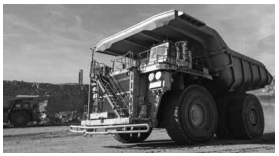
Mining trucks are monstrous machines that guzzle fuel
at a scarcely believable rate. Weighing 220 tonnes, they can
get through 134 litres of diesel every hour. Little wonder then
that mining companies are focusing their attention on these
vehicles as the first step to reducing their carbon footprint.
Anglo American, in collaboration with several partners, is
retrofitting a mining haul truck with hydrogen power technology.
A first of its kind, the monster mining vehicle is being piloted
in Limpopo, South Africa, at the firm’s Mogalakwena platinum
mine. Due to be launched early 2022, the truck will be hybrid,
with a hydrogen fuel cell providing roughly half of the power
and a battery pack the other half.
Instead of having a tank of diesel that powers the motor,
hydrogen enters the fuel cell and mixes with oxygen to create
water in a chemical reaction catalysed by platinum, which
generates the electricity needed to power the motors that
drive the wheels. By rolling out this technology across its
global truck fleet, Anglo American says it will be “taking the
equivalent of half a million diesel cars ‘off the road”.
The construction sector, which includes mining, accounted
for 39% of energy-related CO2
emissions in 2017, according
to Davide Sabbadin, from the European Environmental
Bureau. He says the sector will need to reduce its energy
consumption by a third if it hopes to be compatible with the
Paris Agreement. “While electric-powered vehicles, generally
speaking, are less damaging to the environment than internal
combustion engines on a life cycle analysis, this does not
mean that they are green,” he says. It all hinges on how the
hydrogen is produced. Some hydrogen is created using fossil
fuels, which of course means there are substantial emissions
as a result. “We should refrain from presenting hydrogen as a
technological solution to all problems… all forms of hydrogen
come at an environmental cost – water use, impacts on
nature,” says Mr Sabbadin.
(Jesse Preyser. www.bbc.com, 21.12.2021. Adaptado)
Provas
Questão presente nas seguintes provas
Mining trucks are monstrous machines that guzzle fuel
at a scarcely believable rate. Weighing 220 tonnes, they can
get through 134 litres of diesel every hour. Little wonder then
that mining companies are focusing their attention on these
vehicles as the first step to reducing their carbon footprint.
Anglo American, in collaboration with several partners, is
retrofitting a mining haul truck with hydrogen power technology.
A first of its kind, the monster mining vehicle is being piloted
in Limpopo, South Africa, at the firm’s Mogalakwena platinum
mine. Due to be launched early 2022, the truck will be hybrid,
with a hydrogen fuel cell providing roughly half of the power
and a battery pack the other half.
Instead of having a tank of diesel that powers the motor,
hydrogen enters the fuel cell and mixes with oxygen to create
water in a chemical reaction catalysed by platinum, which
generates the electricity needed to power the motors that
drive the wheels. By rolling out this technology across its
global truck fleet, Anglo American says it will be “taking the
equivalent of half a million diesel cars ‘off the road”.
The construction sector, which includes mining, accounted
for 39% of energy-related CO2
emissions in 2017, according
to Davide Sabbadin, from the European Environmental
Bureau. He says the sector will need to reduce its energy
consumption by a third if it hopes to be compatible with the
Paris Agreement. “While electric-powered vehicles, generally
speaking, are less damaging to the environment than internal
combustion engines on a life cycle analysis, this does not
mean that they are green,” he says. It all hinges on how the
hydrogen is produced. Some hydrogen is created using fossil
fuels, which of course means there are substantial emissions
as a result. “We should refrain from presenting hydrogen as a
technological solution to all problems… all forms of hydrogen
come at an environmental cost – water use, impacts on
nature,” says Mr Sabbadin.
(Jesse Preyser. www.bbc.com, 21.12.2021. Adaptado)
Provas
Questão presente nas seguintes provas
Mining trucks are monstrous machines that guzzle fuel
at a scarcely believable rate. Weighing 220 tonnes, they can
get through 134 litres of diesel every hour. Little wonder then
that mining companies are focusing their attention on these
vehicles as the first step to reducing their carbon footprint.
Anglo American, in collaboration with several partners, is
retrofitting a mining haul truck with hydrogen power technology.
A first of its kind, the monster mining vehicle is being piloted
in Limpopo, South Africa, at the firm’s Mogalakwena platinum
mine. Due to be launched early 2022, the truck will be hybrid,
with a hydrogen fuel cell providing roughly half of the power
and a battery pack the other half.
Instead of having a tank of diesel that powers the motor,
hydrogen enters the fuel cell and mixes with oxygen to create
water in a chemical reaction catalysed by platinum, which
generates the electricity needed to power the motors that
drive the wheels. By rolling out this technology across its
global truck fleet, Anglo American says it will be “taking the
equivalent of half a million diesel cars ‘off the road”.
The construction sector, which includes mining, accounted
for 39% of energy-related CO2
emissions in 2017, according
to Davide Sabbadin, from the European Environmental
Bureau. He says the sector will need to reduce its energy
consumption by a third if it hopes to be compatible with the
Paris Agreement. “While electric-powered vehicles, generally
speaking, are less damaging to the environment than internal
combustion engines on a life cycle analysis, this does not
mean that they are green,” he says. It all hinges on how the
hydrogen is produced. Some hydrogen is created using fossil
fuels, which of course means there are substantial emissions
as a result. “We should refrain from presenting hydrogen as a
technological solution to all problems… all forms of hydrogen
come at an environmental cost – water use, impacts on
nature,” says Mr Sabbadin.
(Jesse Preyser. www.bbc.com, 21.12.2021. Adaptado)
Provas
Questão presente nas seguintes provas
( )
Mining trucks are monstrous machines that guzzle fuel
at a scarcely believable rate. Weighing 220 tonnes, they can
get through 134 litres of diesel every hour. Little wonder then
that mining companies are focusing their attention on these
vehicles as the first step to reducing their carbon footprint.
Anglo American, in collaboration with several partners, is
retrofitting a mining haul truck with hydrogen power technology.
A first of its kind, the monster mining vehicle is being piloted
in Limpopo, South Africa, at the firm’s Mogalakwena platinum
mine. Due to be launched early 2022, the truck will be hybrid,
with a hydrogen fuel cell providing roughly half of the power
and a battery pack the other half.
Instead of having a tank of diesel that powers the motor,
hydrogen enters the fuel cell and mixes with oxygen to create
water in a chemical reaction catalysed by platinum, which
generates the electricity needed to power the motors that
drive the wheels. By rolling out this technology across its
global truck fleet, Anglo American says it will be “taking the
equivalent of half a million diesel cars ‘off the road”.
The construction sector, which includes mining, accounted
for 39% of energy-related CO2
emissions in 2017, according
to Davide Sabbadin, from the European Environmental
Bureau. He says the sector will need to reduce its energy
consumption by a third if it hopes to be compatible with the
Paris Agreement. “While electric-powered vehicles, generally
speaking, are less damaging to the environment than internal
combustion engines on a life cycle analysis, this does not
mean that they are green,” he says. It all hinges on how the
hydrogen is produced. Some hydrogen is created using fossil
fuels, which of course means there are substantial emissions
as a result. “We should refrain from presenting hydrogen as a
technological solution to all problems… all forms of hydrogen
come at an environmental cost – water use, impacts on
nature,” says Mr Sabbadin.
(Jesse Preyser. www.bbc.com, 21.12.2021. Adaptado)
Provas
Questão presente nas seguintes provas
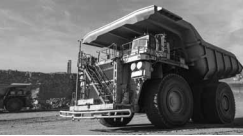
Mining trucks are monstrous machines that guzzle fuel
at a scarcely believable rate. Weighing 220 tonnes, they can
get through 134 litres of diesel every hour. Little wonder then
that mining companies are focusing their attention on these
vehicles as the first step to reducing their carbon footprint.
Anglo American, in collaboration with several partners, is
retrofitting a mining haul truck with hydrogen power technology.
A first of its kind, the monster mining vehicle is being piloted
in Limpopo, South Africa, at the firm’s Mogalakwena platinum
mine. Due to be launched early 2022, the truck will be hybrid,
with a hydrogen fuel cell providing roughly half of the power
and a battery pack the other half.
Instead of having a tank of diesel that powers the motor,
hydrogen enters the fuel cell and mixes with oxygen to create
water in a chemical reaction catalysed by platinum, which
generates the electricity needed to power the motors that
drive the wheels. By rolling out this technology across its
global truck fleet, Anglo American says it will be “taking the
equivalent of half a million diesel cars ‘off the road”.
The construction sector, which includes mining, accounted
for 39% of energy-related CO2
emissions in 2017, according
to Davide Sabbadin, from the European Environmental
Bureau. He says the sector will need to reduce its energy
consumption by a third if it hopes to be compatible with the
Paris Agreement. “While electric-powered vehicles, generally
speaking, are less damaging to the environment than internal
combustion engines on a life cycle analysis, this does not
mean that they are green,” he says. It all hinges on how the
hydrogen is produced. Some hydrogen is created using fossil
fuels, which of course means there are substantial emissions
as a result. “We should refrain from presenting hydrogen as a
technological solution to all problems… all forms of hydrogen
come at an environmental cost – water use, impacts on
nature,” says Mr Sabbadin.
(Jesse Preyser. www.bbc.com, 21.12.2021. Adaptado)
Provas
Questão presente nas seguintes provas
Cadernos
Caderno Container