Foram encontradas 37 questões.
Provas

Provas
BRAZILIAN INDIANS
The history of Brazil's indigenous
peoples has been marked by brutality, slavery,
violence, diseases, and genocide.
When the first European colonists
arrived in 1500, what is now Brazil was
inhabited by an estimated 11 million Indians,
living in about 2,000 tribes. Within the first
century of contact, 90% were wiped out, mainly
through diseases imported by the colonists,
such as fiu, measles and smallpox. In the
following centuries, thousands more died,
enslaved in the rubber and sugar cane
plantations.
By the 1950s the population has
dropped to such a low that the eminent senator
and anthropologist Darcy Ribeiro predicted
there would be none left by the year 1980. On
average, it is estimated that one tribe became
extinct every year over the last century.
In 1967, a federal prosecutor named
Jader Figueiredo published a 7,000 page report
cataloguing thousands of atrocities and crimes
committed against the Indians, ranging from
murder to land theft to enslavement.
In one notorious case known as 'The
th massacre of the 11 parallel', a rubber baron
ordered his men to hurl sticks of dynamite into
a Cinta Larga village. Those who survived were
murdered when rubber workers entered the
village on foot and attacked them with
machetes.
The report made int e rna tiona l headlines and led to the disbanding of the government's Indian Protection Service (SPI) which was replaced by FUNAI. This remains the government' s indigenous a ff a ir s department today.
The size of the indigenous population gradually started to grow once more, although when the Amazon was opened up for development by the military in the 1960s, 70s and 80s, a new wave of hydro-electric dams, cattle ranching, mines and roads meant tens of thousands of Indians lost their lands and lives. Dozens of tribes disappeared forever.
Twenty-two years of military dictatorship ended in 1985, and a new Constitution was drawn up. Indians and their supporters lobbied hard for more rights. Much has been achieved, although Indians do not yet enjoy the collective landownership rights they are entitled to under international law.
Provas
BRAZILIAN INDIANS
The history of Brazil's indigenous
peoples has been marked by brutality, slavery,
violence, diseases, and genocide.
When the first European colonists
arrived in 1500, what is now Brazil was
inhabited by an estimated 11 million Indians,
living in about 2,000 tribes. Within the first
century of contact, 90% were wiped out, mainly
through diseases imported by the colonists,
such as fiu, measles and smallpox. In the
following centuries, thousands more died,
enslaved in the rubber and sugar cane
plantations.
By the 1950s the population has
dropped to such a low that the eminent senator
and anthropologist Darcy Ribeiro predicted
there would be none left by the year 1980. On
average, it is estimated that one tribe became
extinct every year over the last century.
In 1967, a federal prosecutor named
Jader Figueiredo published a 7,000 page report
cataloguing thousands of atrocities and crimes
committed against the Indians, ranging from
murder to land theft to enslavement.
In one notorious case known as 'The
th massacre of the 11 parallel', a rubber baron
ordered his men to hurl sticks of dynamite into
a Cinta Larga village. Those who survived were
murdered when rubber workers entered the
village on foot and attacked them with
machetes.
The report made int e rna tiona l headlines and led to the disbanding of the government's Indian Protection Service (SPI) which was replaced by FUNAI. This remains the government' s indigenous a ff a ir s department today.
The size of the indigenous population gradually started to grow once more, although when the Amazon was opened up for development by the military in the 1960s, 70s and 80s, a new wave of hydro-electric dams, cattle ranching, mines and roads meant tens of thousands of Indians lost their lands and lives. Dozens of tribes disappeared forever.
Twenty-two years of military dictatorship ended in 1985, and a new Constitution was drawn up. Indians and their supporters lobbied hard for more rights. Much has been achieved, although Indians do not yet enjoy the collective landownership rights they are entitled to under international law.
Provas
BRAZILIAN INDIANS
The history of Brazil's indigenous
peoples has been marked by brutality, slavery,
violence, diseases, and genocide.
When the first European colonists
arrived in 1500, what is now Brazil was
inhabited by an estimated 11 million Indians,
living in about 2,000 tribes. Within the first
century of contact, 90% were wiped out, mainly
through diseases imported by the colonists,
such as fiu, measles and smallpox. In the
following centuries, thousands more died,
enslaved in the rubber and sugar cane
plantations.
By the 1950s the population has
dropped to such a low that the eminent senator
and anthropologist Darcy Ribeiro predicted
there would be none left by the year 1980. On
average, it is estimated that one tribe became
extinct every year over the last century.
In 1967, a federal prosecutor named
Jader Figueiredo published a 7,000 page report
cataloguing thousands of atrocities and crimes
committed against the Indians, ranging from
murder to land theft to enslavement.
In one notorious case known as 'The
th massacre of the 11 parallel', a rubber baron
ordered his men to hurl sticks of dynamite into
a Cinta Larga village. Those who survived were
murdered when rubber workers entered the
village on foot and attacked them with
machetes.
The report made int e rna tiona l headlines and led to the disbanding of the government's Indian Protection Service (SPI) which was replaced by FUNAI. This remains the government' s indigenous a ff a ir s department today.
The size of the indigenous population gradually started to grow once more, although when the Amazon was opened up for development by the military in the 1960s, 70s and 80s, a new wave of hydro-electric dams, cattle ranching, mines and roads meant tens of thousands of Indians lost their lands and lives. Dozens of tribes disappeared forever.
Twenty-two years of military dictatorship ended in 1985, and a new Constitution was drawn up. Indians and their supporters lobbied hard for more rights. Much has been achieved, although Indians do not yet enjoy the collective landownership rights they are entitled to under international law.
Provas
BRAZILIAN INDIANS
The history of Brazil's indigenous
peoples has been marked by brutality, slavery,
violence, diseases, and genocide.
When the first European colonists
arrived in 1500, what is now Brazil was
inhabited by an estimated 11 million Indians,
living in about 2,000 tribes. Within the first
century of contact, 90% were wiped out, mainly
through diseases imported by the colonists,
such as fiu, measles and smallpox. In the
following centuries, thousands more died,
enslaved in the rubber and sugar cane
plantations.
By the 1950s the population has
dropped to such a low that the eminent senator
and anthropologist Darcy Ribeiro predicted
there would be none left by the year 1980. On
average, it is estimated that one tribe became
extinct every year over the last century.
In 1967, a federal prosecutor named
Jader Figueiredo published a 7,000 page report
cataloguing thousands of atrocities and crimes
committed against the Indians, ranging from
murder to land theft to enslavement.
In one notorious case known as 'The
th massacre of the 11 parallel', a rubber baron
ordered his men to hurl sticks of dynamite into
a Cinta Larga village. Those who survived were
murdered when rubber workers entered the
village on foot and attacked them with
machetes.
The report made int e rna tiona l headlines and led to the disbanding of the government's Indian Protection Service (SPI) which was replaced by FUNAI. This remains the government' s indigenous a ff a ir s department today.
The size of the indigenous population gradually started to grow once more, although when the Amazon was opened up for development by the military in the 1960s, 70s and 80s, a new wave of hydro-electric dams, cattle ranching, mines and roads meant tens of thousands of Indians lost their lands and lives. Dozens of tribes disappeared forever.
Twenty-two years of military dictatorship ended in 1985, and a new Constitution was drawn up. Indians and their supporters lobbied hard for more rights. Much has been achieved, although Indians do not yet enjoy the collective landownership rights they are entitled to under international law.
Provas
Delcides plantou uma horta na forma de um quadrado de 40 metros de lado. Seu primo Percival, aproveitou e fez a sua em forma de triângulo isóscele (dois lados de medidas iguais), aproveitando um dos lados da horta de Delcides, conforme a figura:
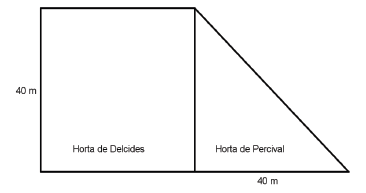
Qual é a área, em metros quadrados, das duas hortas juntas?
Provas
- GeometriaGeometria EspacialCilindro
- GeometriaGeometria EspacialCone
- GeometriaGeometria EspacialEsfera
- GeometriaGeometria EspacialPirâmides
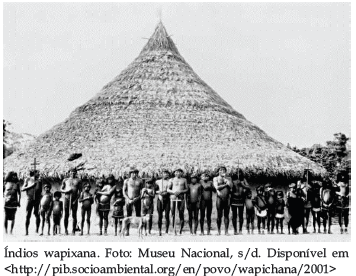
O teto da habitação tem o formato de qual desses sólidos geométricos?
Provas
Provas
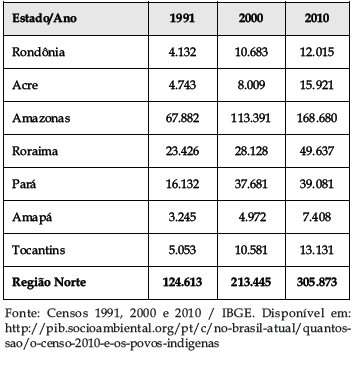
Em três desses estados, o número de pessoas que se autodeclararam indígenas mais que dobrou entre os anos de 1991 e 2000. Esses estados são:
Provas
Caderno Container