Read the motivating text below and mark (T) for true and (F) for false.
Olympic athletes are being more open than ever about mental health and the pressures
of competing
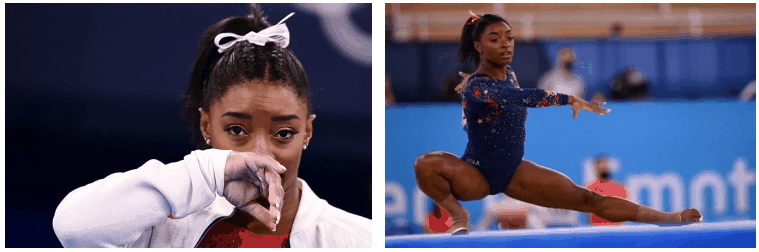
Athletes at the Tokyo Olympics are more outspoken about mental health than ever before, and psychologists are lauding them for helping to break the stigma of mental illness.
Gymnast Simone Biles, the most accomplished athlete in the history of her sport, made headlines around the world Tuesday morning when she withdrew from the team finals event, citing mental health concerns.
"It's been really stressful this Olympic games... it's been a long week, a long Olympic process, a long year," Biles said after her team won silver in the event, per ESPN's Michele Steele. "I think we're a little too stressed out — we should be out here having fun and that's just not the case." Her statements and actions put a megaphone on a mental health movement that's been swelling among Olympians for years.
Other Tokyo Olympians have talked of the pressures of this year's games
Biles is not the only Tokyo athlete to speak publicly about her struggles. Skateboarder Nyjah Huston also talked about his experience this week. Huston placed seventh in the street skateboarding tournament on Sunday, despite being a favorite to medal at the games.
In an Instagram post shared Monday, Huston said the pressure of being an internationally renowned athlete "isn't easy at times" and that he's often "really hard" on himself when he doesn't win.
Tennis star Naomi Osaka, who withdrew from the French Open and Wimbledon over mental health concerns earlier this year, told Insider the time off helped calm her nerves and "dismantle some of the pressures that come with the stage" ahead of Tokyo.
Olympian Simone Manuel, who failed to quality for the women's 100-meter freestyle at the Olympic trials this year, said in an emotional press conference that she had been experiencing depression, anxiety, and insomnia as a result of overtraining syndrome.
Sprinter Allyson Felix, meanwhile, told Essence earlier this month she is learning to make mental health a "priority" and know when to seek help from others.
Psychologists say the athletes are making important strides to fight the stigma of mental illness Mental health professionals are applauding the athletes for understanding that their minds are part of their bodies — and should be cared for with the same diligence.
"The sooner we are able to consistently connect the two, and not always see them as separate, the better we will be as a society," Ben Miller, a psychologist and president of Well Being Trust, said in a statement praising Biles for living up to her reputation as "the greatest of all time" by honoring her mental health.
Jay Ruderman, president of the Ruderman Family Foundation, also issued a statement thanking Biles for using her platform to put mental health front and center in Americans' minds.
Disponível em: https://www.insider.com/tokyo-olympic-athletes-mental-health-pressures-2021-7. Acesso em 11/08/2021.
( ) Simone's transparency enabled mental health to take its rightful place in the public discourse.
( ) Athletes like Biles can’t inspire young people and their parents to speak up when sports and extracurriculars go from fun to mentally damaging.
( ) Hearing the mental health message from some of the greatest competitors to ever play sports lends instant credibility in the minds of other superstars. That these sport superstars are capable of moments of weakness and vulnerability adds a very important element of humanity to the whole process. In the minds of other elite athletes, if states like depression, anxiety, and doubt can happen to Biles, or Huston, or Osaka, or Manual, it means it can happen to everyone and it is okay to admit their vulnerability. Their messages didn’t help strip some of the stigma attached to admitting personal difficulty and seeking professional assistance.
