Foram encontradas 79 questões.
Teen romance usually digitally enhanced, says US study
Technology plays a key role in teenage romance from initial encounters to eventual break-ups, says a US study.
Teenagers rarely meet online but do use technology for flirting, asking out, meeting up and parting, American think tank, the Pew Research Center, found.
A survey of 1,060 US teenagers aged 13 to 17 revealed that technology brings them closer but also breeds jealousy.
"Digital platforms are powerful tools for teens," said Amanda Lenhart, lead author of the report from Pew.
"But even as teens enjoy greater closeness with partners and a chance to display their relationships for others to see, mobile and social media can also be tools for jealousy, meddling and even troubling behaviour."
Digital romance, broken down
Of the 1,060 teenagers surveyed:
• 35% said they were currently dating and 59% of that group said technology made them feel closer to their partner.
• For boys who were dating, 65% said social media made them more connected to a significant other while it was 52% for girls.
• 27% of dating teenagers thought social media made them feel jealous or insecure in relationships.
• 50% of all teens surveyed, dating or not, said they had indicated interest by friending someone on Facebook or other social media and 47% expressed attraction by likes and comments.
• Texting is king - 92% of teens who were dating said they texted a partner, assuming the partner would check in with "great regularity"
• Jealousy happens, but not as much as flirting does - 11% of teenage daters reported accessing a partner's online accounts and 16% reported having a partner asking them to de-friend someone.
What gets discussed during all those frequent social media enabled check-ins?
According to the survey, it is mostly "funny stuff" followed by "things you're thinking about" as well as other information such as where they are and what their friends have been doing.
And forget having to meet up to resolve a conflict - 48% of dating teenagers said that could be done by texting or talking online.
Online tools, with their accessibility and ease of use, also showed some signs of giving this group relationship anxiety. Females are more likely to be subject to unwanted flirting and 25% of teenagers surveyed said they have blocked or unfriended someone because of uncomfortable flirting.
And 15% of teenage daters said a partner had used the internet to pressure them into unwanted sexual activity.
'More than emojis'
Nearly half the respondents admitted to concentrating on their phone ahead of their partner when together with 43% of dating teens saying that had happened to them.
"I don't think this survey reveals much that is surprising.
But it is affirming. Humans are social animals and we build tools to connect with each other,"wrote Julie Beck, an associate editor at The Atlantic news site, of the survey's findings.
"It's not all heart emojis all the time, no, but the tools that facilitate relationships facilitate all aspects of them, good and bad. "Connecting with others is scary, hard, sometimes dangerous, but usually, hopefully, good. The teens get it."
(Fonte: http://www.bbc.com/news/technology-34416989)
Provas

Technology plays a key role in teenage romance from initial encounters to eventual break-ups, says a US study.
Teenagers rarely meet online but do use technology for flirting, asking out, meeting up and parting, American think tank, the Pew Research Center, found. A survey of 1,060 US teenagers aged 13 to 17 revealed that technology brings them closer but also breeds jealousy.
"Digital platforms are powerful tools for teens," said Amanda Lenhart, lead author of the report from Pew. "But even as teens enjoy greater closeness with partners and a chance to display their relationships for others to see, mobile and social media can also be tools for jealousy, meddling and even troubling behaviour."
Digital romance, broken down
Of the 1,060 teenagers surveyed:
• 35% said they were currently dating and 59% of that group said technology made them feel closer to their partner
• For boys who were dating, 65% said social media made them more connected to a significant other while it was 52% for girls
• 27% of dating teenagers thought social media made them feel jealous or insecure in relationships
• 50% of all teens surveyed, dating or not, said they had indicated interest by friending someone on Facebook or other social media and 47% expressed attraction by likes and comments
• Texting is king - 92% of teens who were dating said they texted a partner, assuming the partner would check in with "great regularity"
• Jealousy happens, but not as much as flirting does - 11% of teenage daters reported accessing a partner's online accounts and 16% reported having a partner asking them to de-friend someone
What gets discussed during all those frequent social media enabled check-ins? According to the survey, it is mostly "funny stuff" followed by "things you're thinking about" as well as other Information such as where they are and what their friends have been doing. And forget having to meet up to resolve a conflict - 48% of dating teenagers said that could be done by texting or talking online. Online tools, with their accessibility and ease of use, also showed some signs of giving this group relationship anxiety. Females are more likely to be subject to unwanted flirting and 25% of teenagers surveyed said they have blocked or unfriended someone because of uncomfortable flirting. And 15% of teenage daters said a partner had used the internet to pressure them into unwanted sexual activity.
'More than emojis'
Nearly half the respondents admitted to concentrating on their phone ahead of their partner when together with 43% of dating teens saying that had happened to them. "I don't think this survey reveals much that is surprising. But it is affirming. Humans are social animals and we build tools to connect with each other, "wrote Julie Beck, an associate editor at The Atlantic news site, of the survey's findings.
"It's not all heart emojis all the time, no, but the tools that facilitate relationships facilitate all aspects of them, good and bad.
"Connecting with others is scary, hard, sometimes dangerous, but usually, hopefully, good. The teens get it."
(Fonte: http://www.bbc.com/news/technology-34416989)
Provas
Technology plays a key role in teenage romance from initial encounters to eventual break-ups, says a US study.
Teenagers rarely meet online but do use technology for flirting, asking out, meeting up and parting, American think tank, the Pew Research Center, found. A survey of 1,060 US teenagers aged 13 to 17 revealed that technology brings them closer but also breeds jealousy.
"Digital platforms are powerful tools for teens," said Amanda Lenhart, lead author of the report from Pew. "But even as teens enjoy greater closeness with partners and a chance to display their relationships for others to see, mobile and social media can also be tools for jealousy, meddling and even troubling behaviour."
Digital romance, broken down
Of the 1,060 teenagers surveyed:
• 35% said they were currently dating and 59% of that group said technology made them feel closer to their partner
• For boys who were dating, 65% said social media made them more connected to a significant other while it was 52% for girls
• 27% of dating teenagers thought social media made them feel jealous or insecure in relationships
• 50% of all teens surveyed, dating or not, said they had indicated interest by friending someone on Facebook or other social media and 47% expressed attraction by likes and comments
• Texting is king - 92% of teens who were dating said they texted a partner, assuming the partner would check in with "great regularity"
• Jealousy happens, but not as much as flirting does - 11% of teenage daters reported accessing a partner's online accounts and 16% reported having a partner asking them to de-friend someone
What gets discussed during all those frequent social media enabled check-ins? According to the survey, it is mostly "funny stuff" followed by "things you're thinking about" as well as other Information such as where they are and what their friends have been doing. And forget having to meet up to resolve a conflict - 48% of dating teenagers said that could be done by texting or talking online. Online tools, with their accessibility and ease of use, also showed some signs of giving this group relationship anxiety. Females are more likely to be subject to unwanted flirting and 25% of teenagers surveyed said they have blocked or unfriended someone because of uncomfortable flirting. And 15% of teenage daters said a partner had used the internet to pressure them into unwanted sexual activity.
'More than emojis'
Nearly half the respondents admitted to concentrating on their phone ahead of their partner when together with 43% of dating teens saying that had happened to them. "I don't think this survey reveals much that is surprising. But it is affirming. Humans are social animals and we build tools to connect with each other, "wrote Julie Beck, an associate editor at The Atlantic news site, of the survey's findings.
"It's not all heart emojis all the time, no, but the tools that facilitate relationships facilitate all aspects of them, good and bad.
"Connecting with others is scary, hard, sometimes dangerous, but usually, hopefully, good. The teens get it."
(Fonte: http://www.bbc.com/news/technology-34416989)
Provas
Teen romance usually digitally enhanced, says US study
Technology plays a key role in teenage romance from initial encounters to eventual break-ups, says a US study.
Teenagers rarely meet online but do use technology for flirting, asking out, meeting up and parting, American think tank, the Pew Research Center, found.
A survey of 1,060 US teenagers aged 13 to 17 revealed that technology brings them closer but also breeds jealousy.
"Digital platforms are powerful tools for teens," said Amanda Lenhart, lead author of the report from Pew.
"But even as teens enjoy greater closeness with partners and a chance to display their relationships for others to see, mobile and social media can also be tools for jealousy, meddling and even troubling behaviour."
Digital romance, broken down
Of the 1,060 teenagers surveyed:
• 35% said they were currently dating and 59% of that group said technology made them feel closer to their partner.
• For boys who were dating, 65% said social media made them more connected to a significant other while it was 52% for girls.
• 27% of dating teenagers thought social media made them feel jealous or insecure in relationships.
• 50% of all teens surveyed, dating or not, said they had indicated interest by friending someone on Facebook or other social media and 47% expressed attraction by likes and comments.
• Texting is king - 92% of teens who were dating said they texted a partner, assuming the partner would check in with "great regularity"
• Jealousy happens, but not as much as flirting does - 11% of teenage daters reported accessing a partner's online accounts and 16% reported having a partner asking them to de-friend someone.
What gets discussed during all those frequent social media enabled check-ins?
According to the survey, it is mostly "funny stuff" followed by "things you're thinking about" as well as other information such as where they are and what their friends have been doing.
And forget having to meet up to resolve a conflict - 48% of dating teenagers said that could be done by texting or talking online.
Online tools, with their accessibility and ease of use, also showed some signs of giving this group relationship anxiety. Females are more likely to be subject to unwanted flirting and 25% of teenagers surveyed said they have blocked or unfriended someone because of uncomfortable flirting.
And 15% of teenage daters said a partner had used the internet to pressure them into unwanted sexual activity.
'More than emojis'
Nearly half the respondents admitted to concentrating on their phone ahead of their partner when together with 43% of dating teens saying that had happened to them.
"I don't think this survey reveals much that is surprising.
But it is affirming. Humans are social animals and we build tools to connect with each other,"wrote Julie Beck, an associate editor at The Atlantic news site, of the survey's findings.
"It's not all heart emojis all the time, no, but the tools that facilitate relationships facilitate all aspects of them, good and bad. "Connecting with others is scary, hard, sometimes dangerous, but usually, hopefully, good. The teens get it."
(Fonte: http://www.bbc.com/news/technology-34416989)
Provas
Technology plays a key role in teenage romance from initial encounters to eventual break-ups, says a US study.
Teenagers rarely meet online but do use technology for flirting, asking out, meeting up and parting, American think tank, the Pew Research Center, found. A survey of 1,060 US teenagers aged 13 to 17 revealed that technology brings them closer but also breeds jealousy.
"Digital platforms are powerful tools for teens," said Amanda Lenhart, lead author of the report from Pew. "But even as teens enjoy greater closeness with partners and a chance to display their relationships for others to see, mobile and social media can also be tools for jealousy, meddling and even troubling behaviour."
Digital romance, broken down
Of the 1,060 teenagers surveyed:
• 35% said they were currently dating and 59% of that group said technology made them feel closer to their partner
• For boys who were dating, 65% said social media made them more connected to a significant other while it was 52% for girls
• 27% of dating teenagers thought social media made them feel jealous or insecure in relationships
• 50% of all teens surveyed, dating or not, said they had indicated interest by friending someone on Facebook or other social media and 47% expressed attraction by likes and comments
• Texting is king - 92% of teens who were dating said they texted a partner, assuming the partner would check in with "great regularity"
• Jealousy happens, but not as much as flirting does - 11% of teenage daters reported accessing a partner's online accounts and 16% reported having a partner asking them to de-friend someone
What gets discussed during all those frequent social media enabled check-ins? According to the survey, it is mostly "funny stuff" followed by "things you're thinking about" as well as other Information such as where they are and what their friends have been doing. And forget having to meet up to resolve a conflict - 48% of dating teenagers said that could be done by texting or talking online. Online tools, with their accessibility and ease of use, also showed some signs of giving this group relationship anxiety. Females are more likely to be subject to unwanted flirting and 25% of teenagers surveyed said they have blocked or unfriended someone because of uncomfortable flirting. And 15% of teenage daters said a partner had used the internet to pressure them into unwanted sexual activity.
'More than emojis'
Nearly half the respondents admitted to concentrating on their phone ahead of their partner when together with 43% of dating teens saying that had happened to them. "I don't think this survey reveals much that is surprising. But it is affirming. Humans are social animals and we build tools to connect with each other, "wrote Julie Beck, an associate editor at The Atlantic news site, of the survey's findings.
"It's not all heart emojis all the time, no, but the tools that facilitate relationships facilitate all aspects of them, good and bad.
"Connecting with others is scary, hard, sometimes dangerous, but usually, hopefully, good. The teens get it."
(Fonte: http://www.bbc.com/news/technology-34416989)
Provas
Teen romance usually digitally enhanced, says US study
Technology plays a key role in teenage romance from initial encounters to eventual break-ups, says a US study.
Teenagers rarely meet online but do use technology for flirting, asking out, meeting up and parting, American think tank, the Pew Research Center, found.
A survey of 1,060 US teenagers aged 13 to 17 revealed that technology brings them closer but also breeds jealousy.
"Digital platforms are powerful tools for teens," said Amanda Lenhart, lead author of the report from Pew.
"But even as teens enjoy greater closeness with partners and a chance to display their relationships for others to see, mobile and social media can also be tools for jealousy, meddling and even troubling behaviour."
Digital romance, broken down
Of the 1,060 teenagers surveyed:
• 35% said they were currently dating and 59% of that group said technology made them feel closer to their partner.
• For boys who were dating, 65% said social media made them more connected to a significant other while it was 52% for girls.
• 27% of dating teenagers thought social media made them feel jealous or insecure in relationships.
• 50% of all teens surveyed, dating or not, said they had indicated interest by friending someone on Facebook or other social media and 47% expressed attraction by likes and comments.
• Texting is king - 92% of teens who were dating said they texted a partner, assuming the partner would check in with "great regularity"
• Jealousy happens, but not as much as flirting does - 11% of teenage daters reported accessing a partner's online accounts and 16% reported having a partner asking them to de-friend someone.
What gets discussed during all those frequent social media enabled check-ins?
According to the survey, it is mostly "funny stuff" followed by "things you're thinking about" as well as other information such as where they are and what their friends have been doing.
And forget having to meet up to resolve a conflict - 48% of dating teenagers said that could be done by texting or talking online.
Online tools, with their accessibility and ease of use, also showed some signs of giving this group relationship anxiety. Females are more likely to be subject to unwanted flirting and 25% of teenagers surveyed said they have blocked or unfriended someone because of uncomfortable flirting.
And 15% of teenage daters said a partner had used the internet to pressure them into unwanted sexual activity.
'More than emojis'
Nearly half the respondents admitted to concentrating on their phone ahead of their partner when together with 43% of dating teens saying that had happened to them.
"I don't think this survey reveals much that is surprising.
But it is affirming. Humans are social animals and we build tools to connect with each other,"wrote Julie Beck, an associate editor at The Atlantic news site, of the survey's findings.
"It's not all heart emojis all the time, no, but the tools that facilitate relationships facilitate all aspects of them, good and bad. "Connecting with others is scary, hard, sometimes dangerous, but usually, hopefully, good. The teens get it."
(Fonte: http://www.bbc.com/news/technology-34416989)
Provas
Provas
Provas
Sabendo-se que n pertence ao intervalo dado por 8 ≤ n e ≤ 28 que o conjunto imagem dessa função é o intervalo 68 ≤ P(n) ≤ 218, então, o valor de (a + c ) é:
Provas
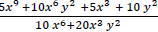 , com 10x6 + 20x3y2 ≠ 0 e sabendo-se que x + 1/x = 4 , é:
Provas
Caderno Container