Magna Concursos

Foram encontradas 45.388 questões.

3773366 Ano: 2024
Disciplina: Inglês (Língua Inglesa)
Banca: IDCAP
Orgão: OGMO-Paranaguá-PR
Provas:
O texto seguinte servirá de base para responder à questão.


Ship carrying explosive fertiliser heads to UK waters
A Maltese-flagged cargo ship carrying thousands of tonnes of potentially explosive fertiliser is set to travel through UK waters.
Ruby, which was earlier accompanied by an escort tug, has reportedly been rejected by several countries due to its cargo.
The ship, which has 20,000 tonnes of ammonium nitrate on board, was previously damaged but deemed seaworthy by authorities in Norway.
HM Coastguard is in contact with the vessel, which according to ship tracking data, was in the North Sea off the Kent coast on Thursday morning.
The ship, owned by Maltese firm Ruby Enterprise, set off from the northern Russian port of Kandalaksha in July.
The national maritime emergency service said it will monitor the ship's progress as it heads towards and through UK waters.
Vessels are not required to ask permission to travel through UK territorial waters for legitimate purposes.
An escorting tug, Amber II, which had sailed with the boat from Norway, left the Ruby on Thursday morning and sailed east. Its current destination is listed as Rotterdam, in the Netherlands.
Though there is no suggestion of immediate danger from the cargo, the same chemical caused a devastating blast at a Beirut warehouse in 2020.
Ammonium nitrate is regularly transported around the world and used as fertiliser but is also used in explosives.
The ship is carrying seven times the amount of ammonium nitrate that caused the Beirut explosion.
Ruby's location on Thursday, according to Marine Traffic. Marine Traffic data suggested the ship was in the North Sea on Thursday.
Soon after departing Russia, the Ruby briefly ran aground after reportedly encountering a storm.
It then continued its journey around the Kola Peninsula and docked in Troms⌀, Norway.
Norway's Maritime Authority told the BBC the vessel was inspected by DNV Group to ensure it met safety and environmental standards.
The group found damage to its hull, propeller and rudder, but the Ruby was still deemed "seaworthy".
As a precaution, DNV Group, and the Maltese flag registry, insisted that a tug escort the vessel for the remainder of its journey.
The ship was bound for Klaipeda, in Lithuania, according to ship tracking firm MarineTraffic.
But despite being deemed seaworthy, the ship was denied entry to Klaipeda. Algia Latakas, the port authority's chief executive, told the BBC that this was "because of its cargo".
Andrea Sella, professor of chemistry at University College London, said the cargo was not high risk, unless there was a fire on board.
"While I understand the caution of the authorities in Troms, I suspect that the chances of a similar disaster to Beirut are relatively modest," she said.
She added: "It would also be interesting to know what the nature of the repairs might be as clearly welding might significantly raise the potential fire risk."
Other reports suggested Sweden had imposed a ban as well, but Sweden's transport agency denies this.
"What the Swedish authorities did was to follow the matter in case we would have needed to act in some way," a spokesperson told the BBC.
In recent weeks, the Ruby travelled south along Norway's coast and through the North Sea.
The ship reportedly has had restricted manoeuvrability, though the BBC has been unable to confirm this.
On 25 September, it anchored about 15 miles (25km) north east of Margate, in Kent, near the Dover Strait - one of the world's busiest waterways.
The Maritime and Coastguard Agency (MCA) said the vessel is "currently securely anchored outside UK territorial waters waiting for appropriate conditions to refuel at sea before passing through the English Channel".
Refuelling at sea is a common practice and will take place in accordance with safety procedures and in favourable weather, said the MCA.
Its current destination is listed as Marsaxlokk, in Malta.
But Maltese authorities have told local media that the ship can only enter the country if it empties its cargo beforehand.
Marco Forgione, director general of the Chartered Institute of Export & International Trade, raised concerns about potential "environmental damage".
"Should the ammonium nitrate start to leak out of the ship and contaminate the sea... shipping through the channel would have to be diverted to avoid further shifting the pollution through its waters," he said.
He added that damage as a result of the potential scenario would be "immense" and cause "ongoing disruption".
The vessel has appropriate safety certificates approved by the vessel's flag state and is able to make its own way, said the MCA.
https://www.bbc.com/news/articles/c62g95721leo
What caused the authorities in Klaipeda, Lithuania, to deny entry to the Ruby?
 

Provas

Questão presente nas seguintes provas
3773365 Ano: 2024
Disciplina: Inglês (Língua Inglesa)
Banca: IDCAP
Orgão: OGMO-Paranaguá-PR
Provas:
O texto seguinte servirá de base para responder à questão.


Ship carrying explosive fertiliser heads to UK waters
A Maltese-flagged cargo ship carrying thousands of tonnes of potentially explosive fertiliser is set to travel through UK waters.
Ruby, which was earlier accompanied by an escort tug, has reportedly been rejected by several countries due to its cargo.
The ship, which has 20,000 tonnes of ammonium nitrate on board, was previously damaged but deemed seaworthy by authorities in Norway.
HM Coastguard is in contact with the vessel, which according to ship tracking data, was in the North Sea off the Kent coast on Thursday morning.
The ship, owned by Maltese firm Ruby Enterprise, set off from the northern Russian port of Kandalaksha in July.
The national maritime emergency service said it will monitor the ship's progress as it heads towards and through UK waters.
Vessels are not required to ask permission to travel through UK territorial waters for legitimate purposes.
An escorting tug, Amber II, which had sailed with the boat from Norway, left the Ruby on Thursday morning and sailed east. Its current destination is listed as Rotterdam, in the Netherlands.
Though there is no suggestion of immediate danger from the cargo, the same chemical caused a devastating blast at a Beirut warehouse in 2020.
Ammonium nitrate is regularly transported around the world and used as fertiliser but is also used in explosives.
The ship is carrying seven times the amount of ammonium nitrate that caused the Beirut explosion.
Ruby's location on Thursday, according to Marine Traffic. Marine Traffic data suggested the ship was in the North Sea on Thursday.
Soon after departing Russia, the Ruby briefly ran aground after reportedly encountering a storm.
It then continued its journey around the Kola Peninsula and docked in Troms⌀, Norway.
Norway's Maritime Authority told the BBC the vessel was inspected by DNV Group to ensure it met safety and environmental standards.
The group found damage to its hull, propeller and rudder, but the Ruby was still deemed "seaworthy".
As a precaution, DNV Group, and the Maltese flag registry, insisted that a tug escort the vessel for the remainder of its journey.
The ship was bound for Klaipeda, in Lithuania, according to ship tracking firm MarineTraffic.
But despite being deemed seaworthy, the ship was denied entry to Klaipeda. Algia Latakas, the port authority's chief executive, told the BBC that this was "because of its cargo".
Andrea Sella, professor of chemistry at University College London, said the cargo was not high risk, unless there was a fire on board.
"While I understand the caution of the authorities in Troms, I suspect that the chances of a similar disaster to Beirut are relatively modest," she said.
She added: "It would also be interesting to know what the nature of the repairs might be as clearly welding might significantly raise the potential fire risk."
Other reports suggested Sweden had imposed a ban as well, but Sweden's transport agency denies this.
"What the Swedish authorities did was to follow the matter in case we would have needed to act in some way," a spokesperson told the BBC.
In recent weeks, the Ruby travelled south along Norway's coast and through the North Sea.
The ship reportedly has had restricted manoeuvrability, though the BBC has been unable to confirm this.
On 25 September, it anchored about 15 miles (25km) north east of Margate, in Kent, near the Dover Strait - one of the world's busiest waterways.
The Maritime and Coastguard Agency (MCA) said the vessel is "currently securely anchored outside UK territorial waters waiting for appropriate conditions to refuel at sea before passing through the English Channel".
Refuelling at sea is a common practice and will take place in accordance with safety procedures and in favourable weather, said the MCA.
Its current destination is listed as Marsaxlokk, in Malta.
But Maltese authorities have told local media that the ship can only enter the country if it empties its cargo beforehand.
Marco Forgione, director general of the Chartered Institute of Export & International Trade, raised concerns about potential "environmental damage".
"Should the ammonium nitrate start to leak out of the ship and contaminate the sea... shipping through the channel would have to be diverted to avoid further shifting the pollution through its waters," he said.
He added that damage as a result of the potential scenario would be "immense" and cause "ongoing disruption".
The vessel has appropriate safety certificates approved by the vessel's flag state and is able to make its own way, said the MCA.
https://www.bbc.com/news/articles/c62g95721leo
What environmental concern was raised by Marco Forgione regarding the Ruby?
 

Provas

Questão presente nas seguintes provas
3773364 Ano: 2024
Disciplina: Inglês (Língua Inglesa)
Banca: IDCAP
Orgão: OGMO-Paranaguá-PR
Provas:
O texto seguinte servirá de base para responder à questão.


Ship carrying explosive fertiliser heads to UK waters
A Maltese-flagged cargo ship carrying thousands of tonnes of potentially explosive fertiliser is set to travel through UK waters.
Ruby, which was earlier accompanied by an escort tug, has reportedly been rejected by several countries due to its cargo.
The ship, which has 20,000 tonnes of ammonium nitrate on board, was previously damaged but deemed seaworthy by authorities in Norway.
HM Coastguard is in contact with the vessel, which according to ship tracking data, was in the North Sea off the Kent coast on Thursday morning.
The ship, owned by Maltese firm Ruby Enterprise, set off from the northern Russian port of Kandalaksha in July.
The national maritime emergency service said it will monitor the ship's progress as it heads towards and through UK waters.
Vessels are not required to ask permission to travel through UK territorial waters for legitimate purposes.
An escorting tug, Amber II, which had sailed with the boat from Norway, left the Ruby on Thursday morning and sailed east. Its current destination is listed as Rotterdam, in the Netherlands.
Though there is no suggestion of immediate danger from the cargo, the same chemical caused a devastating blast at a Beirut warehouse in 2020.
Ammonium nitrate is regularly transported around the world and used as fertiliser but is also used in explosives.
The ship is carrying seven times the amount of ammonium nitrate that caused the Beirut explosion.
Ruby's location on Thursday, according to Marine Traffic. Marine Traffic data suggested the ship was in the North Sea on Thursday.
Soon after departing Russia, the Ruby briefly ran aground after reportedly encountering a storm.
It then continued its journey around the Kola Peninsula and docked in Troms⌀, Norway.
Norway's Maritime Authority told the BBC the vessel was inspected by DNV Group to ensure it met safety and environmental standards.
The group found damage to its hull, propeller and rudder, but the Ruby was still deemed "seaworthy".
As a precaution, DNV Group, and the Maltese flag registry, insisted that a tug escort the vessel for the remainder of its journey.
The ship was bound for Klaipeda, in Lithuania, according to ship tracking firm MarineTraffic.
But despite being deemed seaworthy, the ship was denied entry to Klaipeda. Algia Latakas, the port authority's chief executive, told the BBC that this was "because of its cargo".
Andrea Sella, professor of chemistry at University College London, said the cargo was not high risk, unless there was a fire on board.
"While I understand the caution of the authorities in Troms, I suspect that the chances of a similar disaster to Beirut are relatively modest," she said.
She added: "It would also be interesting to know what the nature of the repairs might be as clearly welding might significantly raise the potential fire risk."
Other reports suggested Sweden had imposed a ban as well, but Sweden's transport agency denies this.
"What the Swedish authorities did was to follow the matter in case we would have needed to act in some way," a spokesperson told the BBC.
In recent weeks, the Ruby travelled south along Norway's coast and through the North Sea.
The ship reportedly has had restricted manoeuvrability, though the BBC has been unable to confirm this.
On 25 September, it anchored about 15 miles (25km) north east of Margate, in Kent, near the Dover Strait - one of the world's busiest waterways.
The Maritime and Coastguard Agency (MCA) said the vessel is "currently securely anchored outside UK territorial waters waiting for appropriate conditions to refuel at sea before passing through the English Channel".
Refuelling at sea is a common practice and will take place in accordance with safety procedures and in favourable weather, said the MCA.
Its current destination is listed as Marsaxlokk, in Malta.
But Maltese authorities have told local media that the ship can only enter the country if it empties its cargo beforehand.
Marco Forgione, director general of the Chartered Institute of Export & International Trade, raised concerns about potential "environmental damage".
"Should the ammonium nitrate start to leak out of the ship and contaminate the sea... shipping through the channel would have to be diverted to avoid further shifting the pollution through its waters," he said.
He added that damage as a result of the potential scenario would be "immense" and cause "ongoing disruption".
The vessel has appropriate safety certificates approved by the vessel's flag state and is able to make its own way, said the MCA.
https://www.bbc.com/news/articles/c62g95721leo
Which statement best describes the condition of the Ruby when it was inspected in Norway?
 

Provas

Questão presente nas seguintes provas
3773363 Ano: 2024
Disciplina: Inglês (Língua Inglesa)
Banca: IDCAP
Orgão: OGMO-Paranaguá-PR
Provas:
O texto seguinte servirá de base para responder à questão.


Ship carrying explosive fertiliser heads to UK waters
A Maltese-flagged cargo ship carrying thousands of tonnes of potentially explosive fertiliser is set to travel through UK waters.
Ruby, which was earlier accompanied by an escort tug, has reportedly been rejected by several countries due to its cargo.
The ship, which has 20,000 tonnes of ammonium nitrate on board, was previously damaged but deemed seaworthy by authorities in Norway.
HM Coastguard is in contact with the vessel, which according to ship tracking data, was in the North Sea off the Kent coast on Thursday morning.
The ship, owned by Maltese firm Ruby Enterprise, set off from the northern Russian port of Kandalaksha in July.
The national maritime emergency service said it will monitor the ship's progress as it heads towards and through UK waters.
Vessels are not required to ask permission to travel through UK territorial waters for legitimate purposes.
An escorting tug, Amber II, which had sailed with the boat from Norway, left the Ruby on Thursday morning and sailed east. Its current destination is listed as Rotterdam, in the Netherlands.
Though there is no suggestion of immediate danger from the cargo, the same chemical caused a devastating blast at a Beirut warehouse in 2020.
Ammonium nitrate is regularly transported around the world and used as fertiliser but is also used in explosives.
The ship is carrying seven times the amount of ammonium nitrate that caused the Beirut explosion.
Ruby's location on Thursday, according to Marine Traffic. Marine Traffic data suggested the ship was in the North Sea on Thursday.
Soon after departing Russia, the Ruby briefly ran aground after reportedly encountering a storm.
It then continued its journey around the Kola Peninsula and docked in Troms⌀, Norway.
Norway's Maritime Authority told the BBC the vessel was inspected by DNV Group to ensure it met safety and environmental standards.
The group found damage to its hull, propeller and rudder, but the Ruby was still deemed "seaworthy".
As a precaution, DNV Group, and the Maltese flag registry, insisted that a tug escort the vessel for the remainder of its journey.
The ship was bound for Klaipeda, in Lithuania, according to ship tracking firm MarineTraffic.
But despite being deemed seaworthy, the ship was denied entry to Klaipeda. Algia Latakas, the port authority's chief executive, told the BBC that this was "because of its cargo".
Andrea Sella, professor of chemistry at University College London, said the cargo was not high risk, unless there was a fire on board.
"While I understand the caution of the authorities in Troms, I suspect that the chances of a similar disaster to Beirut are relatively modest," she said.
She added: "It would also be interesting to know what the nature of the repairs might be as clearly welding might significantly raise the potential fire risk."
Other reports suggested Sweden had imposed a ban as well, but Sweden's transport agency denies this.
"What the Swedish authorities did was to follow the matter in case we would have needed to act in some way," a spokesperson told the BBC.
In recent weeks, the Ruby travelled south along Norway's coast and through the North Sea.
The ship reportedly has had restricted manoeuvrability, though the BBC has been unable to confirm this.
On 25 September, it anchored about 15 miles (25km) north east of Margate, in Kent, near the Dover Strait - one of the world's busiest waterways.
The Maritime and Coastguard Agency (MCA) said the vessel is "currently securely anchored outside UK territorial waters waiting for appropriate conditions to refuel at sea before passing through the English Channel".
Refuelling at sea is a common practice and will take place in accordance with safety procedures and in favourable weather, said the MCA.
Its current destination is listed as Marsaxlokk, in Malta.
But Maltese authorities have told local media that the ship can only enter the country if it empties its cargo beforehand.
Marco Forgione, director general of the Chartered Institute of Export & International Trade, raised concerns about potential "environmental damage".
"Should the ammonium nitrate start to leak out of the ship and contaminate the sea... shipping through the channel would have to be diverted to avoid further shifting the pollution through its waters," he said.
He added that damage as a result of the potential scenario would be "immense" and cause "ongoing disruption".
The vessel has appropriate safety certificates approved by the vessel's flag state and is able to make its own way, said the MCA.
https://www.bbc.com/news/articles/c62g95721leo
Why was the ship Ruby initially escorted by a tug?
 

Provas

Questão presente nas seguintes provas
3772871 Ano: 2024
Disciplina: Inglês (Língua Inglesa)
Banca: Unoesc
Orgão: Pref. Maravilha-SC
Provas:
A BNCC prevê 06 competências específicas de Língua Inglesa para o ensino fundamental. Qual ítem abaixo não faz parte das competências previstas?
 

Provas

Questão presente nas seguintes provas
3772870 Ano: 2024
Disciplina: Inglês (Língua Inglesa)
Banca: Unoesc
Orgão: Pref. Maravilha-SC
Provas:
Sobre o ensino da Língua Inglesa, de acordo com a BNCC, podemos afirmar que:
 

Provas

Questão presente nas seguintes provas
3772869 Ano: 2024
Disciplina: Inglês (Língua Inglesa)
Banca: Unoesc
Orgão: Pref. Maravilha-SC
Provas:

The Challenges of Teaching English as a Second Language

Teaching English as a second language is one of the most rewarding careers you could have. It’s an opportunity to exercise your teaching skills, immerse yourself in an exciting culture, meet new people from all over the world, and travel to countries you’ve never visited. As with any teachingjob, teaching English as a second language is not without its challenges.

Here are a few you can expect:

Lack of Resources

In your classroom back home, you may be used to teaching with fancy projectors, whiteboards, laptops, and programs through the Internet. Depending on where you teach abroad, you may end up in a classroom with little to no supplies. This may come as a shock. It’s up to you as the teacher to get creative. Instead of buying store-bought supplies, you might have to create your own using recyclable materials.

Limited Support

Teaching a room full of strangers a new and foreign language can be difficult. Your family and friends might be miles away, and the majority of the staff might speak a different first language. It’s important when teaching abroad not to let distance or lack of support get you down. If you find you are not getting enough help from the principal or head of your division, it’s important to voice your concerns early on.

Loneliness

Moving to a new city can be daunting, especially if you’re alone. Settling into a new city takes time, and can often cause emotional stress. The great part about teaching English as a second language is that there are many opportunities to meet other adventurous individuals doing the same thing.

Language Barrier

Moving abroad to teach might require you to learn a new language. In the beginning, you might find it difficult to communicate with people during your day-to-day. Ordering food at a restaurant, renting a car, or trying to pay for your phone bill can easily turn into a frustrating conversation. It’s important to remember that your students feel the same frustration when trying to learn English.

Not Enough Time

Teaching students a new language is a delicate and time-consuming process. When teaching English as a second language, you’re always working against the clock. To avoid running out of time, and to provide your students with an in-depth education, it’s imperative to carefully plan out each teaching sessions beforehand.

(Disponível em:https:www.internationalteachersplus.com. Acesso em03/11/2024)

According to the last paragraph:


Provas

Questão presente nas seguintes provas
3772868 Ano: 2024
Disciplina: Inglês (Língua Inglesa)
Banca: Unoesc
Orgão: Pref. Maravilha-SC
Provas:

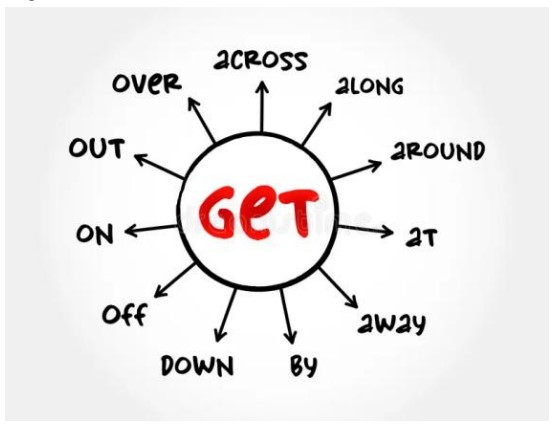
Enunciado 4572703-1

(Disponível em:https://www.dreamstime.com/. Acesso em25/10/2024)

Match the phrasal verbs and the definitions. Then, mark the correct sequence.

I. If two or more people get ____, they like each other and are friendly to each other.

II. To manage to live or succeed

III. To reach or obtain something, especially something that is difficult to get

IV. To get better after an illness, or feel better after something or someone has made you unhappy

A. Get over.

B. Get by.

C. Get along.

D. Get at.


Provas

Questão presente nas seguintes provas
3772867 Ano: 2024
Disciplina: Inglês (Língua Inglesa)
Banca: Unoesc
Orgão: Pref. Maravilha-SC
Provas:

Enunciado 4572702-1

(Disponível em:https:garfield-comic-strips.fandom.com. Acesso em28/10/2024)

In the comic strip above, we can identify


Provas

Questão presente nas seguintes provas
3772866 Ano: 2024
Disciplina: Inglês (Língua Inglesa)
Banca: Unoesc
Orgão: Pref. Maravilha-SC
Provas:

Read the poem:

Colors

By Shell Silverstein

My skin is kind of sort of brownish

Pinkish yellowish white.

My eyes are greyish blueish green,

But I'm told they look orange in the night.

My hair is reddish blondish brown,

But it's silver when it's wet.

And all the colors I am inside

Have not been invented yet.

The suffix -ish added to the words in the poem suggests an idea of:


Provas

Questão presente nas seguintes provas
