Text 10A1-II
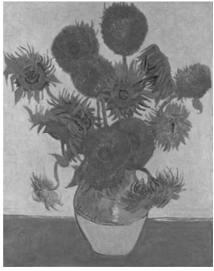
Sometimes a work of art is so dazzlingly famous that it can blind people to its original context and meaning. That surely is the case with Vincent van Gogh’s Sunflowers.
Take the version in London’s National Gallery that the Dutch artist painted in Arles in the South of France in August 1888. Fifteen sunflowers erupt out of a simple earthenware pot against a blazing yellow background. Some of the flowers are fresh and perky, ringed with halos of flickering, flame-like petals. Others are going to seed and have begun to droop.
In part a meditation on the vagaries of time, the picture gives a dynamic, ferociously colourful twist to the long tradition of Dutch flower painting stretching back to the 17th Century. Since it entered the National Gallery’s collection in 1924, it has also proved phenomenally popular. In 2013, more postcards of this painting were sold in the gallery’s shop — the exact figure was 26,110 — than of any other picture in the entire collection.
Internet: <www.bbc.com> (adapted)
Based on text 10A1-II, judge the following items.
I There are works of art so successful that people might overlook the situation such works came from.
II The version of van Gogh’s Sunflowers being described represents the traditional kind of flower painting.
III The flowers described in the second paragraph refers to those in the illustration above the text.
Choose the correct option.
