Foram encontradas 50 questões.
China’s one-child policy impact analysed
People growing up under China’s one-child policy are less trusting, more risk averse and more pessimistic, a study concludes. An Australian team of researchers compared people who were born just before the policy was introduced with those born after.
They used economic games and surveys to assess the participants’ behavioural and personality traits. The findings are published in the journal Science.The lead author of the study Professor Lisa Cameron, from Monash University in Victoria, told the BBC’s Science in Action programme: “We found that people born under the one-child policy were significantly less trusting and less trustworthy, significantly less likely to take risks and less competitive than those who were born before.”
“We also conducted personality surveys and we found that those born under the one-child policy were less conscientious, slightly more neurotic and significantly more pessimistic than those born before.”
China’s population-control policy was introduced in 1979, and it restricts couples in urban areas to have only one child.
The researchers looked at 421 adults: half was born a few years before the policy was introduced and the other half were born a few years after. They used different economic experiments to study the participants.
Professor Stuart West, from the University of Oxford, said the study was “very interesting”. However, he cautioned against some of the conclusions that had been drawn. “The problem is that is a potential explanation for that data – but there are almost an infinite number of other explanations of anything else that could have varied with time: variation of socio-economic environment, prosperity, nutrition, political environment – anything.”
(http://www.bbc.co.uk/news/science-environment-20976432.10.01.2013. Adaptado)
O termo those em – An Australian team of researchers compared people who were born just before the policy was introduced with those born after. – refere-se a
Provas

China’s one-child policy impact analysed
People growing up under China’s one-child policy are less trusting, more risk averse and more pessimistic, a study concludes. An Australian team of researchers compared people who were born just before the policy was introduced with those born after.
They used economic games and surveys to assess the participants’ behavioural and personality traits. The findings are published in the journal Science.The lead author of the study Professor Lisa Cameron, from Monash University in Victoria, told the BBC’s Science in Action programme: “We found that people born under the one-child policy were significantly less trusting and less trustworthy, significantly less likely to take risks and less competitive than those who were born before.”
“We also conducted personality surveys and we found that those born under the one-child policy were less conscientious, slightly more neurotic and significantly more pessimistic than those born before.”
China’s population-control policy was introduced in 1979, and it restricts couples in urban areas to have only one child.
The researchers looked at 421 adults: half was born a few years before the policy was introduced and the other half were born a few years after. They used different economic experiments to study the participants.
Professor Stuart West, from the University of Oxford, said the study was “very interesting”. However, he cautioned against some of the conclusions that had been drawn. “The problem is that is a potential explanation for that data – but there are almost an infinite number of other explanations of anything else that could have varied with time: variation of socio-economic environment, prosperity, nutrition, political environment – anything.”
(http://www.bbc.co.uk/news/science-environment-20976432.10.01.2013. Adaptado)
Com relação ao estudo, o termo findings no trecho – The findings are published in the journal Science. – refere-se
Provas
China’s one-child policy impact analysed
People growing up under China’s one-child policy are less trusting, more risk averse and more pessimistic, a study concludes. An Australian team of researchers compared people who were born just before the policy was introduced with those born after.
They used economic games and surveys to assess the participants’ behavioural and personality traits. The findings are published in the journal Science.The lead author of the study Professor Lisa Cameron, from Monash University in Victoria, told the BBC’s Science in Action programme: “We found that people born under the one-child policy were significantly less trusting and less trustworthy, significantly less likely to take risks and less competitive than those who were born before.”
“We also conducted personality surveys and we found that those born under the one-child policy were less conscientious, slightly more neurotic and significantly more pessimistic than those born before.”
China’s population-control policy was introduced in 1979, and it restricts couples in urban areas to have only one child.
The researchers looked at 421 adults: half was born a few years before the policy was introduced and the other half were born a few years after. They used different economic experiments to study the participants.
Professor Stuart West, from the University of Oxford, said the study was “very interesting”. However, he cautioned against some of the conclusions that had been drawn. “The problem is that is a potential explanation for that data – but there are almost an infinite number of other explanations of anything else that could have varied with time: variation of socio-economic environment, prosperity, nutrition, political environment – anything.”
(http://www.bbc.co.uk/news/science-environment-20976432.10.01.2013. Adaptado)
O termo likely em – We found that people born under the one-child policy were significantly less trusting and less trustworthy, significantly less likely to take risks and less competitive than those who were born before. – implica
Provas
China’s one-child policy impact analysed
People growing up under China’s one-child policy are less trusting, more risk averse and more pessimistic, a study concludes. An Australian team of researchers compared people who were born just before the policy was introduced with those born after.
They used economic games and surveys to assess the participants’ behavioural and personality traits. The findings are published in the journal Science.The lead author of the study Professor Lisa Cameron, from Monash University in Victoria, told the BBC’s Science in Action programme: “We found that people born under the one-child policy were significantly less trusting and less trustworthy, significantly less likely to take risks and less competitive than those who were born before.”
“We also conducted personality surveys and we found that those born under the one-child policy were less conscientious, slightly more neurotic and significantly more pessimistic than those born before.”
China’s population-control policy was introduced in 1979, and it restricts couples in urban areas to have only one child.
The researchers looked at 421 adults: half was born a few years before the policy was introduced and the other half were born a few years after. They used different economic experiments to study the participants.
Professor Stuart West, from the University of Oxford, said the study was “very interesting”. However, he cautioned against some of the conclusions that had been drawn. “The problem is that is a potential explanation for that data – but there are almost an infinite number of other explanations of anything else that could have varied with time: variation of socio-economic environment, prosperity, nutrition, political environment – anything.”
(http://www.bbc.co.uk/news/science-environment-20976432.10.01.2013. Adaptado)
According to the text, China’s one-child policy has
Provas
China’s one-child policy impact analysed
People growing up under China’s one-child policy are less trusting, more risk averse and more pessimistic, a study concludes. An Australian team of researchers compared people who were born just before the policy was introduced with those born after.
They used economic games and surveys to assess the participants’ behavioural and personality traits. The findings are published in the journal Science.The lead author of the study Professor Lisa Cameron, from Monash University in Victoria, told the BBC’s Science in Action programme: “We found that people born under the one-child policy were significantly less trusting and less trustworthy, significantly less likely to take risks and less competitive than those who were born before.”
“We also conducted personality surveys and we found that those born under the one-child policy were less conscientious, slightly more neurotic and significantly more pessimistic than those born before.”
China’s population-control policy was introduced in 1979, and it restricts couples in urban areas to have only one child.
The researchers looked at 421 adults: half was born a few years before the policy was introduced and the other half were born a few years after. They used different economic experiments to study the participants.
Professor Stuart West, from the University of Oxford, said the study was “very interesting”. However, he cautioned against some of the conclusions that had been drawn. “The problem is that is a potential explanation for that data – but there are almost an infinite number of other explanations of anything else that could have varied with time: variation of socio-economic environment, prosperity, nutrition, political environment – anything.”
(http://www.bbc.co.uk/news/science-environment-20976432.10.01.2013. Adaptado)
According to the text, the study
Provas
Assinale a alternativa correta quanto à pontuação.
Provas
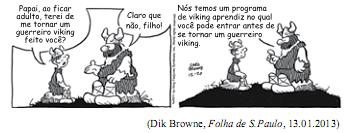
É correto afirmar que a
Provas
Provas
Provas
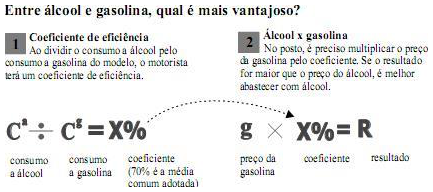
Provas
Caderno Container