Foram encontradas 50 questões.
O pan-africanismo era um movimento político, filosófico e social que pressupunha a união identitária e política de todos aqueles que estivessem vinculados à África, fossem eles africanos ou seus descendentes.
(Ynaê Lopes dos Santos. História da África e do Brasil afrodescendente, 2017.)
Na primeira metade do século XX, o movimento pan-africanista assumiu diversas feições e tarefas. Dentre elas, pode-se destacar a luta pela
Provas

A República procurou converter Canudos num grande exemplo: um exemplo da barbárie contra a civilização; do atraso contra a modernidade. [...] Havia mesmo um abismo entre as diferentes partes do país, e era premente o alerta para que as elites intelectuais e políticas olhassem, finalmente, para seu interior.
(Lilia M. Schwarcz e Heloisa M. Starling. Brasil: uma biografia, 2018.)
A partir do texto e de conhecimentos sobre Canudos, é possível associar este movimento à
Provas
O Estado que começava a se organizar depois de atingida a independência [na América espanhola] assumiu como tarefa destruir a velha ordem colonial.
(Maria Ligia Prado. A formação das nações latino-americanas, 1985.)
A destruição da “velha ordem colonial” envolvia a
Provas
A exploração de ouro nas Minas Gerais, entre a última década do século XVII e a metade do século XVIII,
Provas
O Império Romano, após a profunda crise do século III, tentou a sobrevivência através do estabelecimento de novas estruturas, que não impediram (e algumas até mesmo aceleraram) sua decadência, mas que permaneceriam vigentes por séculos. Foi o caso, por exemplo, do caráter sagrado da monarquia, da aceitação de germanos no exército imperial, da petrificação da hierarquia social, do crescente fiscalismo sobre o campo, do desenvolvimento de uma nova espiritualidade.
(Hilário Franco Junior. A Idade Média: nascimento do Ocidente, 1988.)
O texto apresenta alguns elementos que se aprofundaram nos dois séculos seguintes e caracterizaram a transição entre
Provas
Your article about the survey on the population’s views on covid-19 policy was very interesting (Covid lockdown rules more divisive than Brexit, survey finds, 11 Sep). It seems to focus on the judgments made by people of other people’s actions.
The survey appears to demonstrate more hatred and division, but I would question that. I think it could be demonstrating that there is more confusion and anxiety, which has voiced itself in the language of hostility. Maybe this was increased by the type of questions asked, but I don’t know how those questions were phrased.
The reason for writing is to ask that we try to calm troubled waters rather than fan them by highlighting division and anger. Our population did an amazing thing in the early months of 2020 by staying away from each other to stop the transmission of a deadly virus for the vulnerable members of our society. We need to feel proud of that.
Barbara Mark
Ludlow, Shropshire, UK
Robert Booth’s article reminds us how divided a society Britain has become, and how, for a brief period, the “all in this together” logic of the pandemic united us. My research on public generosity to foodbanks and other charities shows an unprecedented surge in donations at the beginning of the lockdown. Sadly, goodwill closely followed infection rates. Donations are back at the pre-coronavirus level. Poverty and unemployment have continued to increase and will rise further as the recession, Brexit and the austerity programme we face next year bite.
How do we move from a divided country to a stronger sense of community? A start would be a government that recognises the contribution that relatively low-paid workers in shops, cafes, care homes, nurseries and hospitals make to our society and raise the so-called living wage to real living wage levels. It could go on to promote fair taxes and enrol an army of tax inspectors to make sure City fat cats pay their share.
Peter Taylor-Gooby
Professor of social policy, University of Kent, UK
(www.theguardian.com, 13.09.2020. Adapted.)
Compare Barbara Mark’s letter and the following figure.
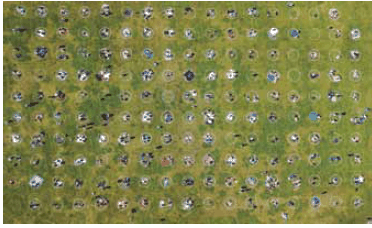
(telanganatoday.com)
The figure is most directly related to the following idea in the letter:
Provas
Your article about the survey on the population’s views on covid-19 policy was very interesting (Covid lockdown rules more divisive than Brexit, survey finds, 11 Sep). It seems to focus on the judgments made by people of other people’s actions.
The survey appears to demonstrate more hatred and division, but I would question that. I think it could be demonstrating that there is more confusion and anxiety, which has voiced itself in the language of hostility. Maybe this was increased by the type of questions asked, but I don’t know how those questions were phrased.
The reason for writing is to ask that we try to calm troubled waters rather than fan them by highlighting division and anger. Our population did an amazing thing in the early months of 2020 by staying away from each other to stop the transmission of a deadly virus for the vulnerable members of our society. We need to feel proud of that.
Barbara Mark
Ludlow, Shropshire, UK
Robert Booth’s article reminds us how divided a society Britain has become, and how, for a brief period, the “all in this together” logic of the pandemic united us. My research on public generosity to foodbanks and other charities shows an unprecedented surge in donations at the beginning of the lockdown. Sadly, goodwill closely followed infection rates. Donations are back at the pre-coronavirus level. Poverty and unemployment have continued to increase and will rise further as the recession, Brexit and the austerity programme we face next year bite.
How do we move from a divided country to a stronger sense of community? A start would be a government that recognises the contribution that relatively low-paid workers in shops, cafes, care homes, nurseries and hospitals make to our society and raise the so-called living wage to real living wage levels. It could go on to promote fair taxes and enrol an army of tax inspectors to make sure City fat cats pay their share.
Peter Taylor-Gooby
Professor of social policy, University of Kent, UK
(www.theguardian.com, 13.09.2020. Adapted.)
In the context of the first paragraph of the second letter, the statement “goodwill closely followed infection rates” means that, in Britain this year,
Provas
Your article about the survey on the population’s views on covid-19 policy was very interesting (Covid lockdown rules more divisive than Brexit, survey finds, 11 Sep). It seems to focus on the judgments made by people of other people’s actions.
The survey appears to demonstrate more hatred and division, but I would question that. I think it could be demonstrating that there is more confusion and anxiety, which has voiced itself in the language of hostility. Maybe this was increased by the type of questions asked, but I don’t know how those questions were phrased.
The reason for writing is to ask that we try to calm troubled waters rather than fan them by highlighting division and anger. Our population did an amazing thing in the early months of 2020 by staying away from each other to stop the transmission of a deadly virus for the vulnerable members of our society. We need to feel proud of that.
Barbara Mark
Ludlow, Shropshire, UK
Robert Booth’s article reminds us how divided a society Britain has become, and how, for a brief period, the “all in this together” logic of the pandemic united us. My research on public generosity to foodbanks and other charities shows an unprecedented surge in donations at the beginning of the lockdown. Sadly, goodwill closely followed infection rates. Donations are back at the pre-coronavirus level. Poverty and unemployment have continued to increase and will rise further as the recession, Brexit and the austerity programme we face next year bite.
How do we move from a divided country to a stronger sense of community? A start would be a government that recognises the contribution that relatively low-paid workers in shops, cafes, care homes, nurseries and hospitals make to our society and raise the so-called living wage to real living wage levels. It could go on to promote fair taxes and enrol an army of tax inspectors to make sure City fat cats pay their share.
Peter Taylor-Gooby
Professor of social policy, University of Kent, UK
(www.theguardian.com, 13.09.2020. Adapted.)
The following statement is an explicit opinion by the writer of the second letter:
Provas
Your article about the survey on the population’s views on covid-19 policy was very interesting (Covid lockdown rules more divisive than Brexit, survey finds, 11 Sep). It seems to focus on the judgments made by people of other people’s actions.
The survey appears to demonstrate more hatred and division, but I would question that. I think it could be demonstrating that there is more confusion and anxiety, which has voiced itself in the language of hostility. Maybe this was increased by the type of questions asked, but I don’t know how those questions were phrased.
The reason for writing is to ask that we try to calm troubled waters rather than fan them by highlighting division and anger. Our population did an amazing thing in the early months of 2020 by staying away from each other to stop the transmission of a deadly virus for the vulnerable members of our society. We need to feel proud of that.
Barbara Mark
Ludlow, Shropshire, UK
Robert Booth’s article reminds us how divided a society Britain has become, and how, for a brief period, the “all in this together” logic of the pandemic united us. My research on public generosity to foodbanks and other charities shows an unprecedented surge in donations at the beginning of the lockdown. Sadly, goodwill closely followed infection rates. Donations are back at the pre-coronavirus level. Poverty and unemployment have continued to increase and will rise further as the recession, Brexit and the austerity programme we face next year bite.
How do we move from a divided country to a stronger sense of community? A start would be a government that recognises the contribution that relatively low-paid workers in shops, cafes, care homes, nurseries and hospitals make to our society and raise the so-called living wage to real living wage levels. It could go on to promote fair taxes and enrol an army of tax inspectors to make sure City fat cats pay their share.
Peter Taylor-Gooby
Professor of social policy, University of Kent, UK
(www.theguardian.com, 13.09.2020. Adapted.)
In her letter, Barbara Mark
Provas
Your article about the survey on the population’s views on covid-19 policy was very interesting (Covid lockdown rules more divisive than Brexit, survey finds, 11 Sep). It seems to focus on the judgments made by people of other people’s actions.
The survey appears to demonstrate more hatred and division, but I would question that. I think it could be demonstrating that there is more confusion and anxiety, which has voiced itself in the language of hostility. Maybe this was increased by the type of questions asked, but I don’t know how those questions were phrased.
The reason for writing is to ask that we try to calm troubled waters rather than fan them by highlighting division and anger. Our population did an amazing thing in the early months of 2020 by staying away from each other to stop the transmission of a deadly virus for the vulnerable members of our society. We need to feel proud of that.
Barbara Mark
Ludlow, Shropshire, UK
Robert Booth’s article reminds us how divided a society Britain has become, and how, for a brief period, the “all in this together” logic of the pandemic united us. My research on public generosity to foodbanks and other charities shows an unprecedented surge in donations at the beginning of the lockdown. Sadly, goodwill closely followed infection rates. Donations are back at the pre-coronavirus level. Poverty and unemployment have continued to increase and will rise further as the recession, Brexit and the austerity programme we face next year bite.
How do we move from a divided country to a stronger sense of community? A start would be a government that recognises the contribution that relatively low-paid workers in shops, cafes, care homes, nurseries and hospitals make to our society and raise the so-called living wage to real living wage levels. It could go on to promote fair taxes and enrol an army of tax inspectors to make sure City fat cats pay their share.
Peter Taylor-Gooby
Professor of social policy, University of Kent, UK
(www.theguardian.com, 13.09.2020. Adapted.)
As far as Britain is concerned, both letters to the editor
Provas
Caderno Container