Foram encontradas 50 questões.
Um domínio Windows 2000 pode ser configurado para operar em dois modos: modo misto ou modo nativo. Com relação à mudança entre um modo e outro, é CORRETO afirmar que:
Provas

READ TEXT II AND ANSWER QUESTIONS 19 TO 24:
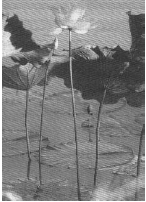
In 1984, the American botanist Jane Shen-Miller was visiting China when scientists there gave her a weird present – a bunch of brown seeds the size of large marbles. She forgot about them for 10 years until she found out they were extremely old lotus seeds. They came from a dried lake bed in China where, centuries ago, Buddhists had grown lotus plants as a sacred symbol of purity.
Ironically, Chairman Mao’s abortive Great Leap Forward in 1958 had brought the lotus fruits to the surface when the local peat was dug up for agriculture.
The seeds were easy to germinate, and once sprouted, Shen-Miller could measure their age. The results were astonishing. They were centuries old and one dated back 1,288 years, the oldest seed ever germinated. When the results were published, word got out that the seeds held the secret of long life, the ancient lake site turned into a tourist attraction and the seeds rapidly disappeared.
When Shen-Miller returned to the site recently, she salvaged 60 specimens. Since then, she and other researchers have been unlocking the secrets of the seeds’ longevity. Each seed is sealed hermetically inside a thick shell. They contain an incredibly tough protein able to survive temperatures up to 110º C, which helps protect the seed in a harsh environment. Another enzyme, methyl transferase, which repairs damage to the seeds’ proteins, is also found in humans and other creatures. There are also high levels of ascorbic acid and glutathione, which help keep proteins fit and healthy and protect cells from damage by free radicals – one of the causes of advancing age in humans.
(The Guardian, March 21, 2002: 11)
Provas
MENOS MORTES AO VOLANTE
Jornal do Brasil, 03/5/2002
BRASÍLIA – Ao menos no quesito trânsito a população jovem melhorou as estatísticas da última década. De acordo com o estudo da Unesco, quem tinha entre 15 e 24 anos, entre 1991 e 2000, demonstrou maior responsabilidade ao volante. O estudo revela uma redução de 17,7% no número de mortes no trânsito nessa faixa etária entre os que vivem nas capitais brasileiras.
São Paulo ocupa lugar de destaque. A metrópole registrou 69,6% menos mortes em 2000 do que em 1991. Belém, Natal e Florianópolis acompanham a mesma tendência. No Rio, a diminuição do número de óbitos foi de 13,1%.
Salvador deu o pior exemplo. Houve um aumento na quantidade de mortes de 444,4% na década. Em Cuiabá, o surto em dez anos foi de 193,8%. A capital onde mais jovens morreram ao volante é Vitória. Em segundo lugar, Goiânia e em terceiro, Palmas.
A Unesco comparou a idade dos acidentados. A maioria tem 20 anos. De acordo com o estudo, a partir dessa idade a quantidade de mortes cai.
O estudo comprova que nos fins de semana as ocorrências aumentam. Na segunda-feira morrem 813 jovens. No domingo, este número sobe para 1.634. Em relação a outros 60 países, o Brasil ocupa a 29ª colocação nos índices relacionados a mortes no trânsito envolvendo a juventude.
Provas
MENOS MORTES AO VOLANTE
Jornal do Brasil, 03/5/2002
BRASÍLIA – Ao menos no quesito trânsito a população jovem melhorou as estatísticas da última década. De acordo com o estudo da Unesco, quem tinha entre 15 e 24 anos, entre 1991 e 2000, demonstrou maior responsabilidade ao volante. O estudo revela uma redução de 17,7% no número de mortes no trânsito nessa faixa etária entre os que vivem nas capitais brasileiras.
São Paulo ocupa lugar de destaque. A metrópole registrou 69,6% menos mortes em 2000 do que em 1991. Belém, Natal e Florianópolis acompanham a mesma tendência. No Rio, a diminuição do número de óbitos foi de 13,1%.
Salvador deu o pior exemplo. Houve um aumento na quantidade de mortes de 444,4% na década. Em Cuiabá, o surto em dez anos foi de 193,8%. A capital onde mais jovens morreram ao volante é Vitória. Em segundo lugar, Goiânia e em terceiro, Palmas.
A Unesco comparou a idade dos acidentados. A maioria tem 20 anos. De acordo com o estudo, a partir dessa idade a quantidade de mortes cai.
O estudo comprova que nos fins de semana as ocorrências aumentam. Na segunda-feira morrem 813 jovens. No domingo, este número sobe para 1.634. Em relação a outros 60 países, o Brasil ocupa a 29ª colocação nos índices relacionados a mortes no trânsito envolvendo a juventude.
Provas
READ TEXT II AND ANSWER QUESTIONS 19 TO 24:
In 1984, the American botanist Jane Shen-Miller was visiting China when scientists there gave her a weird present – a bunch of brown seeds the size of large marbles. She forgot about them for 10 years until she found out they were extremely old lotus seeds. They came from a dried lake bed in China where, centuries ago, Buddhists had grown lotus plants as a sacred symbol of purity.
Ironically, Chairman Mao’s abortive Great Leap Forward in 1958 had brought the lotus fruits to the surface when the local peat was dug up for agriculture.
The seeds were easy to germinate, and once sprouted, Shen-Miller could measure their age. The results were astonishing. They were centuries old and one dated back 1,288 years, the oldest seed ever germinated. When the results were published, word got out that the seeds held the secret of long life, the ancient lake site turned into a tourist attraction and the seeds rapidly disappeared.
When Shen-Miller returned to the site recently, she salvaged 60 specimens. Since then, she and other researchers have been unlocking the secrets of the seeds’ longevity. Each seed is sealed hermetically inside a thick shell. They contain an incredibly tough protein able to survive temperatures up to 110º C, which helps protect the seed in a harsh environment. Another enzyme, methyl transferase, which repairs damage to the seeds’ proteins, is also found in humans and other creatures. There are also high levels of ascorbic acid and glutathione, which help keep proteins fit and healthy and protect cells from damage by free radicals – one of the causes of advancing age in humans.
(The Guardian, March 21, 2002: 11)
Provas
READ TEXT II AND ANSWER QUESTIONS 19 TO 24:
In 1984, the American botanist Jane Shen-Miller was visiting China when scientists there gave her a weird present – a bunch of brown seeds the size of large marbles. She forgot about them for 10 years until she found out they were extremely old lotus seeds. They came from a dried lake bed in China where, centuries ago, Buddhists had grown lotus plants as a sacred symbol of purity.
Ironically, Chairman Mao’s abortive Great Leap Forward in 1958 had brought the lotus fruits to the surface when the local peat was dug up for agriculture.
The seeds were easy to germinate, and once sprouted, Shen-Miller could measure their age. The results were astonishing. They were centuries old and one dated back 1,288 years, the oldest seed ever germinated. When the results were published, word got out that the seeds held the secret of long life, the ancient lake site turned into a tourist attraction and the seeds rapidly disappeared.
When Shen-Miller returned to the site recently, she salvaged 60 specimens. Since then, she and other researchers have been unlocking the secrets of the seeds’ longevity. Each seed is sealed hermetically inside a thick shell. They contain an incredibly tough protein able to survive temperatures up to 110º C, which helps protect the seed in a harsh environment. Another enzyme, methyl transferase, which repairs damage to the seeds’ proteins, is also found in humans and other creatures. There are also high levels of ascorbic acid and glutathione, which help keep proteins fit and healthy and protect cells from damage by free radicals – one of the causes of advancing age in humans.
(The Guardian, March 21, 2002: 11)
Provas
READ TEXT II AND ANSWER QUESTIONS 19 TO 24:
In 1984, the American botanist Jane Shen-Miller was visiting China when scientists there gave her a weird present – a bunch of brown seeds the size of large marbles. She forgot about them for 10 years until she found out they were extremely old lotus seeds. They came from a dried lake bed in China where, centuries ago, Buddhists had grown lotus plants as a sacred symbol of purity.
Ironically, Chairman Mao’s abortive Great Leap Forward in 1958 had brought the lotus fruits to the surface when the local peat was dug up for agriculture.
The seeds were easy to germinate, and once sprouted, Shen-Miller could measure their age. The results were astonishing. They were centuries old and one dated back 1,288 years, the oldest seed ever germinated. When the results were published, word got out that the seeds held the secret of long life, the ancient lake site turned into a tourist attraction and the seeds rapidly disappeared.
When Shen-Miller returned to the site recently, she salvaged 60 specimens. Since then, she and other researchers have been unlocking the secrets of the seeds’ longevity. Each seed is sealed hermetically inside a thick shell. They contain an incredibly tough protein able to survive temperatures up to 110º C, which helps protect the seed in a harsh environment. Another enzyme, methyl transferase, which repairs damage to the seeds’ proteins, is also found in humans and other creatures. There are also high levels of ascorbic acid and glutathione, which help keep proteins fit and healthy and protect cells from damage by free radicals – one of the causes of advancing age in humans.
(The Guardian, March 21, 2002: 11)
Provas
READ TEXT II AND ANSWER QUESTIONS 19 TO 24:
In 1984, the American botanist Jane Shen-Miller was visiting China when scientists there gave her a weird present – a bunch of brown seeds the size of large marbles. She forgot about them for 10 years until she found out they were extremely old lotus seeds. They came from a dried lake bed in China where, centuries ago, Buddhists had grown lotus plants as a sacred symbol of purity.
Ironically, Chairman Mao’s abortive Great Leap Forward in 1958 had brought the lotus fruits to the surface when the local peat was dug up for agriculture.
The seeds were easy to germinate, and once sprouted, Shen-Miller could measure their age. The results were astonishing. They were centuries old and one dated back 1,288 years, the oldest seed ever germinated. When the results were published, word got out that the seeds held the secret of long life, the ancient lake site turned into a tourist attraction and the seeds rapidly disappeared.
When Shen-Miller returned to the site recently, she salvaged 60 specimens. Since then, she and other researchers have been unlocking the secrets of the seeds’ longevity. Each seed is sealed hermetically inside a thick shell. They contain an incredibly tough protein able to survive temperatures up to 110º C, which helps protect the seed in a harsh environment. Another enzyme, methyl transferase, which repairs damage to the seeds’ proteins, is also found in humans and other creatures. There are also high levels of ascorbic acid and glutathione, which help keep proteins fit and healthy and protect cells from damage by free radicals – one of the causes of advancing age in humans.
(The Guardian, March 21, 2002: 11)
Provas
READ TEXT II AND ANSWER QUESTIONS 19 TO 24:
In 1984, the American botanist Jane Shen-Miller was visiting China when scientists there gave her a weird present – a bunch of brown seeds the size of large marbles. She forgot about them for 10 years until she found out they were extremely old lotus seeds. They came from a dried lake bed in China where, centuries ago, Buddhists had grown lotus plants as a sacred symbol of purity.
Ironically, Chairman Mao’s abortive Great Leap Forward in 1958 had brought the lotus fruits to the surface when the local peat was dug up for agriculture.
The seeds were easy to germinate, and once sprouted, Shen-Miller could measure their age. The results were astonishing. They were centuries old and one dated back 1,288 years, the oldest seed ever germinated. When the results were published, word got out that the seeds held the secret of long life, the ancient lake site turned into a tourist attraction and the seeds rapidly disappeared.
When Shen-Miller returned to the site recently, she salvaged 60 specimens. Since then, she and other researchers have been unlocking the secrets of the seeds’ longevity. Each seed is sealed hermetically inside a thick shell. They contain an incredibly tough protein able to survive temperatures up to 110º C, which helps protect the seed in a harsh environment. Another enzyme, methyl transferase, which repairs damage to the seeds’ proteins, is also found in humans and other creatures. There are also high levels of ascorbic acid and glutathione, which help keep proteins fit and healthy and protect cells from damage by free radicals – one of the causes of advancing age in humans.
(The Guardian, March 21, 2002: 11)
Provas
READ TEXT I AND ANSWER QUESTIONS 15 TO 18: TEXT I
Illegal trade threatens African orchids
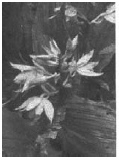
Many species of wild African orchids are threatened because of an increased international demand for their roots as a culinary delicacy, according to research from the Wildlife Conservative Society (WCS). The report, released this week, documents for the first time the growing body of illegal trade between Tanzania and neighboring Zambia. “Millions of orchids are being virtually strip-mined from Tanzania’s Southern Highlands,” says co-author Tim Davenport, a WCS conservation biologist. “At current rates, many species will be wiped out in a matter of a few years”...
The WCS is currently backing an effort to turn a section of the Southern Highlands, the Kitulo Plateau, into a national park. The scientists note that although the monetary value of the illegal trade is significant, it pales in comparison to potential tourism revenue. Unfortunately, the Southern Highlands area is losing portions of its natural resources at an alarming rate, which hampers tourism development. “The current trade in orchid tubers for consumption in Zambia is neither environmentally nor economically in the best interest of Tanzania,” Davenport notes.
(http://sciam.com/news/August 2, 2001)
Provas
Caderno Container