Foram encontradas 100 questões.
HALLAN EN BRASIL ANIMAL PREHISTÓRICO CON COLMILLOS TEMIBLES
Una nueva especie de animal prehistórico, de 260 millones de afios de antigúedad, fue descubierta por investigadores en Brasil. El fósil fue descubierto en 2009 en el estado de Río Grande do 5 Sul, cerca de la frontera Con Argentina y Uruguay. La nueva especie, un poco más grande que un cerdo salvaje, es un miembro del extinto grupo de reptiles parecidos a los mamíferos lIlamados terápsidos, del que se cree que descienden los mamíferos. Tenían cuatro patas y fueron dominantes durante el período Pérmico de las eras Paleozoica y Mesozoica (hace entre 250 millones y 190 millones de afios). La nueva especie fue bautizada Tiarajudens. El cráneo encontrado presenta unos feroces colmillos situados en la mitad de la boca, que nunca se utilizaron para comer carne. Además, la especie de hocico corto también tenía dientes superiores e inferiores que encajan, como lo hacen los dientes humanos, lo que le permite masticar con facilidad. Como el Tiarajudens era herbívoro, los investigadores sospechan que sus colmillos largos, similares a los de un gato con dientes de sable, pueden haber sido utilizados para protegerse y disuadir a los depredadores, o por los machos para luchar contra los miembros de la misma especie. Según los científicos, este descubrimiento significa un avance en el entendimiento de la evolución de la dentición heterogénea en los terápsidos y amplía nuestro entendimiento sobre las interacciones ecológicas a finales del Paleozoico.
Fonte:http: //noticias.terra.com/noticeni abrsa/sihla lanliamanl “prehicons ctolmoillrosi co temibles/act2 770886.
Analise as afirmativas.
I. O fóssil encontrado apresentava um focinho curto com apenas um par de dentes superiores longos e afiados.
II. Os pesquisadores não têm certeza por que o fóssil apresenta, além de dentes superiores e inferiores, dentes longos e afiados no meio da boca.
III. Os pesquisadores sugerem duas possibilidades para o entendimento da dentição heterogênea no fóssil encontrado.
IV. O descobrimento deste animal pré-histórico contribui para o entendimento do comportamento dos répteis e mamíferos da família dos Tiarajudens da era Mesozoica.
Assinale a alternativa correta.
Provas

Texto 2
THE STORY OF THE BICYCLE
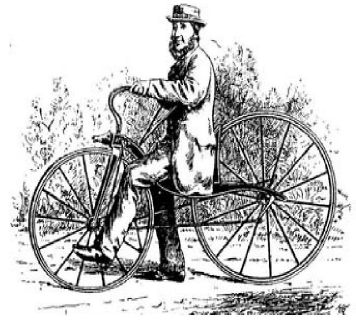
As people try to use less energy, and find alternatives to cars, more and more people are buying, and riding, bicycles. But where did the bicycle come from? Who invented this "velocipede"?
You may be surprised to learn that the humble bicycle was invented several years later than the railway locomotive! But the two-wheeler has come a long way since the day it was invented by a Scottish blacksmith, Kirkpatrick MacMillan, back (it is said) in 1839. MacMillan developed his bike from an older wheeled vehicle, called a "hobby horse”. This was a wooden horse with two wheels. The rider sat on the
horse, and pushed the vehicle along with his feet. It was not a very fast or safe vehicle, since it had no steering and no brakes.
MacMillan, nicknamed Mad Pate, modified the hobby horse, by adding a system of articulated bars. The rider could push the bars back and forwards with his feet, and make the back wheel go round. He could also steer the bike, as the front wheel could be turned.
To demonstrate his invention, he cycled 60 miles to Glasgow! It must have been a terrible journey, on the roads of the day! Pate's bike did not have rubber tires or springs. Mad Pate was not recognized in his time, but other people became interested in bicycles. Twenty-five years later, a Frenchman called Pierre Lallemant designed and patented the first bicycle with rotary pedals; and in 1876, H.J Lawson added another basic feature, “chain-drive”.
Other features, such as rubber tires and gears, have appeared since then; but the basic bicycle has not changed.
Since then the bicycle has had a magnificent fortune. Today, it is probably the most common form of transport in the world, especially in the Third World; and non-polluting and easy to ride, it has a big future as the town vehicle of tomorrow. Thanks Pate!
Fonte: http: //linguapress.com/intermediate/bike-story.htm
A bicicleta, desde a sua invenção, mudou:
Provas
HALLAN EN BRASIL ANIMAL PREHISTÓRICO CON COLMILLOS TEMIBLES
Una nueva especie de animal prehistórico, de 260 millones de afios de antigúedad, fue descubierta por investigadores en Brasil. El fósil fue descubierto en 2009 en el estado de Río Grande do 5 Sul, cerca de la frontera Con Argentina y Uruguay. La nueva especie, un poco más grande que un cerdo salvaje, es un miembro del extinto grupo de reptiles parecidos a los mamíferos lIlamados terápsidos, del que se cree que descienden los mamíferos. Tenían cuatro patas y fueron dominantes durante el período Pérmico de las eras Paleozoica y Mesozoica (hace entre 250 millones y 190 millones de afios). La nueva especie fue bautizada Tiarajudens. El cráneo encontrado presenta unos feroces colmillos situados en la mitad de la boca, que nunca se utilizaron para comer carne. Además, la especie de hocico corto también tenía dientes superiores e inferiores que encajan, como lo hacen los dientes humanos, lo que le permite masticar con facilidad. Como el Tiarajudens era herbívoro, los investigadores sospechan que sus colmillos largos, similares a los de un gato con dientes de sable, pueden haber sido utilizados para protegerse y disuadir a los depredadores, o por los machos para luchar contra los miembros de la misma especie. Según los científicos, este descubrimiento significa un avance en el entendimiento de la evolución de la dentición heterogénea en los terápsidos y amplía nuestro entendimiento sobre las interacciones ecológicas a finales del Paleozoico.
Fonte:http: //noticias.terra.com/noticeni abrsa/sihla lanliamanl “prehicons ctolmoillrosi co temibles/act2 770886.
Segundo os pesquisadores, os dentes longos e afiados do animal pré-histórico poderiam servir para:
Provas
Texto 2
THE STORY OF THE BICYCLE
As people try to use less energy, and find alternatives to cars, more and more people are buying, and riding, bicycles. But where did the bicycle come from? Who invented this "velocipede"?
You may be surprised to learn that the humble bicycle was invented several years later than the railway locomotive! But the two-wheeler has come a long way since the day it was invented by a Scottish blacksmith, Kirkpatrick MacMillan, back (it is said) in 1839. MacMillan developed his bike from an older wheeled vehicle, called a "hobby horse”. This was a wooden horse with two wheels. The rider sat on the
horse, and pushed the vehicle along with his feet. It was not a very fast or safe vehicle, since it had no steering and no brakes.
MacMillan, nicknamed Mad Pate, modified the hobby horse, by adding a system of articulated bars. The rider could push the bars back and forwards with his feet, and make the back wheel go round. He could also steer the bike, as the front wheel could be turned.
To demonstrate his invention, he cycled 60 miles to Glasgow! It must have been a terrible journey, on the roads of the day! Pate's bike did not have rubber tires or springs. Mad Pate was not recognized in his time, but other people became interested in bicycles. Twenty-five years later, a Frenchman called Pierre Lallemant designed and patented the first bicycle with rotary pedals; and in 1876, H.J Lawson added another basic feature, “chain-drive”.
Other features, such as rubber tires and gears, have appeared since then; but the basic bicycle has not changed.
Since then the bicycle has had a magnificent fortune. Today, it is probably the most common form of transport in the world, especially in the Third World; and non-polluting and easy to ride, it has a big future as the town vehicle of tomorrow. Thanks Pate!
Fonte: http: //linguapress.com/intermediate/bike-story.htm
A alternativa que contém apenas palavras que nomeiam partes da bicicleta é:
Provas
Texto 2
THE STORY OF THE BICYCLE
As people try to use less energy, and find alternatives to cars, more and more people are buying, and riding, bicycles. But where did the bicycle come from? Who invented this "velocipede"?
You may be surprised to learn that the humble bicycle was invented several years later than the railway locomotive! But the two-wheeler has come a long way since the day it was invented by a Scottish blacksmith, Kirkpatrick MacMillan, back (it is said) in 1839. MacMillan developed his bike from an older wheeled vehicle, called a "hobby horse”. This was a wooden horse with two wheels. The rider sat on the
horse, and pushed the vehicle along with his feet. It was not a very fast or safe vehicle, since it had no steering and no brakes.
MacMillan, nicknamed Mad Pate, modified the hobby horse, by adding a system of articulated bars. The rider could push the bars back and forwards with his feet, and make the back wheel go round. He could also steer the bike, as the front wheel could be turned.
To demonstrate his invention, he cycled 60 miles to Glasgow! It must have been a terrible journey, on the roads of the day! Pate's bike did not have rubber tires or springs. Mad Pate was not recognized in his time, but other people became interested in bicycles. Twenty-five years later, a Frenchman called Pierre Lallemant designed and patented the first bicycle with rotary pedals; and in 1876, H.J Lawson added another basic feature, “chain-drive”.
Other features, such as rubber tires and gears, have appeared since then; but the basic bicycle has not changed.
Since then the bicycle has had a magnificent fortune. Today, it is probably the most common form of transport in the world, especially in the Third World; and non-polluting and easy to ride, it has a big future as the town vehicle of tomorrow. Thanks Pate!
Fonte: http: //linguapress.com/intermediate/bike-story.htm
Leia as assertivas.
I. MacMillan adicionou ao cavalo-de-pau um sistema de barras articuladas que eram movidas para trás e para frente, através dos pés, fazendo girar a roda traseira.
II. MacMillan morava em Glasgow e tinha 60 anos quando fez as modificações no cavalo-de-pau.
III. A criação de MacMillan foi um sucesso e ele ganhou muito dinheiro com o invento.
IV. Em 1844, um francês de 25 anos, Pierre Lallemant, projetou e patenteou a primeira bicicleta com pedais rotativos.
V. H.J. Lawson, em 1876, adicionou à bicicleta a corrente.
Assinale a alternativa correta.
Provas
HALLAN EN BRASIL ANIMAL PREHISTÓRICO CON COLMILLOS TEMIBLES
Una nueva especie de animal prehistórico, de 260 millones de afios de antigúedad, fue descubierta por investigadores en Brasil. El fósil fue descubierto en 2009 en el estado de Río Grande do 5 Sul, cerca de la frontera Con Argentina y Uruguay. La nueva especie, un poco más grande que un cerdo salvaje, es un miembro del extinto grupo de reptiles parecidos a los mamíferos lIlamados terápsidos, del que se cree que descienden los mamíferos. Tenían cuatro patas y fueron dominantes durante el período Pérmico de las eras Paleozoica y Mesozoica (hace entre 250 millones y 190 millones de afios). La nueva especie fue bautizada Tiarajudens. El cráneo encontrado presenta unos feroces colmillos situados en la mitad de la boca, que nunca se utilizaron para comer carne. Además, la especie de hocico corto también tenía dientes superiores e inferiores que encajan, como lo hacen los dientes humanos, lo que le permite masticar con facilidad. Como el Tiarajudens era herbívoro, los investigadores sospechan que sus colmillos largos, similares a los de un gato con dientes de sable, pueden haber sido utilizados para protegerse y disuadir a los depredadores, o por los machos para luchar contra los miembros de la misma especie. Según los científicos, este descubrimiento significa un avance en el entendimiento de la evolución de la dentición heterogénea en los terápsidos y amplía nuestro entendimiento sobre las interacciones ecológicas a finales del Paleozoico.
Fonte:http: //noticias.terra.com/noticeni abrsa/sihla lanliamanl “prehicons ctolmoillrosi co temibles/act2 770886.
O animal pré-histórico encontrado:
Provas
Texto 2
THE STORY OF THE BICYCLE
As people try to use less energy, and find alternatives to cars, more and more people are buying, and riding, bicycles. But where did the bicycle come from? Who invented this "velocipede"?
You may be surprised to learn that the humble bicycle was invented several years later than the railway locomotive! But the two-wheeler has come a long way since the day it was invented by a Scottish blacksmith, Kirkpatrick MacMillan, back (it is said) in 1839. MacMillan developed his bike from an older wheeled vehicle, called a "hobby horse”. This was a wooden horse with two wheels. The rider sat on the
horse, and pushed the vehicle along with his feet. It was not a very fast or safe vehicle, since it had no steering and no brakes.
MacMillan, nicknamed Mad Pate, modified the hobby horse, by adding a system of articulated bars. The rider could push the bars back and forwards with his feet, and make the back wheel go round. He could also steer the bike, as the front wheel could be turned.
To demonstrate his invention, he cycled 60 miles to Glasgow! It must have been a terrible journey, on the roads of the day! Pate's bike did not have rubber tires or springs. Mad Pate was not recognized in his time, but other people became interested in bicycles. Twenty-five years later, a Frenchman called Pierre Lallemant designed and patented the first bicycle with rotary pedals; and in 1876, H.J Lawson added another basic feature, “chain-drive”.
Other features, such as rubber tires and gears, have appeared since then; but the basic bicycle has not changed.
Since then the bicycle has had a magnificent fortune. Today, it is probably the most common form of transport in the world, especially in the Third World; and non-polluting and easy to ride, it has a big future as the town vehicle of tomorrow. Thanks Pate!
Fonte: http: //linguapress.com/intermediate/bike-story.htm
De acordo com o texto,
Provas
HALLAN EN BRASIL ANIMAL PREHISTÓRICO CON COLMILLOS TEMIBLES
Una nueva especie de animal prehistórico, de 260 millones de afios de antigúedad, fue descubierta por investigadores en Brasil. El fósil fue descubierto en 2009 en el estado de Río Grande do 5 Sul, cerca de la frontera Con Argentina y Uruguay. La nueva especie, un poco más grande que un cerdo salvaje, es un miembro del extinto grupo de reptiles parecidos a los mamíferos lIlamados terápsidos, del que se cree que descienden los mamíferos. Tenían cuatro patas y fueron dominantes durante el período Pérmico de las eras Paleozoica y Mesozoica (hace entre 250 millones y 190 millones de afios). La nueva especie fue bautizada Tiarajudens. El cráneo encontrado presenta unos feroces colmillos situados en la mitad de la boca, que nunca se utilizaron para comer carne. Además, la especie de hocico corto también tenía dientes superiores e inferiores que encajan, como lo hacen los dientes humanos, lo que le permite masticar con facilidad. Como el Tiarajudens era herbívoro, los investigadores sospechan que sus colmillos largos, similares a los de un gato con dientes de sable, pueden haber sido utilizados para protegerse y disuadir a los depredadores, o por los machos para luchar contra los miembros de la misma especie. Según los científicos, este descubrimiento significa un avance en el entendimiento de la evolución de la dentición heterogénea en los terápsidos y amplía nuestro entendimiento sobre las interacciones ecológicas a finales del Paleozoico.
Fonte:http: //noticias.terra.com/noticeni abrsa/sihla lanliamanl “prehicons ctolmoillrosi co temibles/act2 770886.
Na frase tenian cuatro patas y fueron dominantes durante el período Pérmico., as palavras sublinhadas fazem referência:
Provas
HALLAN EN BRASIL ANIMAL PREHISTÓRICO CON COLMILLOS TEMIBLES
Una nueva especie de animal prehistórico, de 260 millones de afios de antigúedad, fue descubierta por investigadores en Brasil. El fósil fue descubierto en 2009 en el estado de Río Grande do 5 Sul, cerca de la frontera Con Argentina y Uruguay. La nueva especie, un poco más grande que un cerdo salvaje, es un miembro del extinto grupo de reptiles parecidos a los mamíferos lIlamados terápsidos, del que se cree que descienden los mamíferos. Tenían cuatro patas y fueron dominantes durante el período Pérmico de las eras Paleozoica y Mesozoica (hace entre 250 millones y 190 millones de afios). La nueva especie fue bautizada Tiarajudens. El cráneo encontrado presenta unos feroces colmillos situados en la mitad de la boca, que nunca se utilizaron para comer carne. Además, la especie de hocico corto también tenía dientes superiores e inferiores que encajan, como lo hacen los dientes humanos, lo que le permite masticar con facilidad. Como el Tiarajudens era herbívoro, los investigadores sospechan que sus colmillos largos, similares a los de un gato con dientes de sable, pueden haber sido utilizados para protegerse y disuadir a los depredadores, o por los machos para luchar contra los miembros de la misma especie. Según los científicos, este descubrimiento significa un avance en el entendimiento de la evolución de la dentición heterogénea en los terápsidos y amplía nuestro entendimiento sobre las interacciones ecológicas a finales del Paleozoico.
Fonte:http: //noticias.terra.com/noticeni abrsa/sihla lanliamanl “prehicons ctolmoillrosi co temibles/act2 770886.
Os pesquisadores descobriram:
Provas
Texto 2
THE STORY OF THE BICYCLE
As people try to use less energy, and find alternatives to cars, more and more people are buying, and riding, bicycles. But where did the bicycle come from? Who invented this "velocipede"?
You may be surprised to learn that the humble bicycle was invented several years later than the railway locomotive! But the two-wheeler has come a long way since the day it was invented by a Scottish blacksmith, Kirkpatrick MacMillan, back (it is said) in 1839. MacMillan developed his bike from an older wheeled vehicle, called a "hobby horse”. This was a wooden horse with two wheels. The rider sat on the
horse, and pushed the vehicle along with his feet. It was not a very fast or safe vehicle, since it had no steering and no brakes.
MacMillan, nicknamed Mad Pate, modified the hobby horse, by adding a system of articulated bars. The rider could push the bars back and forwards with his feet, and make the back wheel go round. He could also steer the bike, as the front wheel could be turned.
To demonstrate his invention, he cycled 60 miles to Glasgow! It must have been a terrible journey, on the roads of the day! Pate's bike did not have rubber tires or springs. Mad Pate was not recognized in his time, but other people became interested in bicycles. Twenty-five years later, a Frenchman called Pierre Lallemant designed and patented the first bicycle with rotary pedals; and in 1876, H.J Lawson added another basic feature, “chain-drive”.
Other features, such as rubber tires and gears, have appeared since then; but the basic bicycle has not changed.
Since then the bicycle has had a magnificent fortune. Today, it is probably the most common form of transport in the world, especially in the Third World; and non-polluting and easy to ride, it has a big future as the town vehicle of tomorrow. Thanks Pate!
Fonte: http: //linguapress.com/intermediate/bike-story.htm
De acordo com o texto,
Provas
Caderno Container