Foram encontradas 86 questões.
Los niños son uno de los principales grupos de riesgo por accidentes de tráfico. Por este motivo, la educación vial dirigida a los menores resulta de gran importancia. De hecho, la edad temprana es el mejor momento para interiorizar valores y adquirir hábitos y comportamientos adecuados con los demás peatones, pasajeros y conductores de nuestro entorno. Asimismo, niños y adolescentes aprenden con mayor facilidad y absorben más rápidamente conocimientos que les ayudan a forjarse una visión de mundo. De este modo, incluir las normas de tráfico y de seguridad vial como parte de su formación puede ser una gran idea para promoverlas e inculcarlas desde bien pequeños.
El objetivo es sembrar en los menores la semilla del respeto a la vida, con el fin de provocar un cambio en la cultura cívica en cuanto a su comportamiento ciudadano, generando en ellos habilidades de autocuidado en su calidad de peatones, que es el primer rol que adoptarán en la vía pública.
El hecho de que los menores descubran la educación vial conlleva una serie de ventajas. Una muy relevante es que aprenden a identificar las principales señales de tráfico, ya que con esto interiorizan las normas viales desde pequeños, adquiriendo así habilidades y valores que luego normalizan. Sin duda, esto les ayuda también a saber cómo desenvolverse en las vías públicas y evitar accidentes como atropellos (hacer uso de los semáforos, los pasos de cebra, a no cruzar sin mirar a izquierda y a derecha, destreza para moverse por la ciudad sin peligro, entre otras). Actualmente, algunos establecimientos educacionales ya dedican tiempo a enseñar nociones básicas de educación vial.
La idea es recrear situaciones reales que el menor pueda encontrar tanto en un entorno rural como urbano para que de esta forma sepa lo que debe y no debe hacer en cada situación, cuál es el significado principal de las señales de tráfico con las que se encontrará en el camino, cuáles son las actitudes más seguras que podemos llevar a la práctica y, por supuesto, fomentar el respeto a los demás, uno de los valores que muchas veces tanto peatones como conductores no suelen tener en cuenta.
(www.iso-39001.cl. Adaptado.)
La utilización de la palabra “semilla” en el segundo párrafo le permite al autor del texto
Provas

Los niños son uno de los principales grupos de riesgo por accidentes de tráfico. Por este motivo, la educación vial dirigida a los menores resulta de gran importancia. De hecho, la edad temprana es el mejor momento para interiorizar valores y adquirir hábitos y comportamientos adecuados con los demás peatones, pasajeros y conductores de nuestro entorno. Asimismo, niños y adolescentes aprenden con mayor facilidad y absorben más rápidamente conocimientos que les ayudan a forjarse una visión de mundo. De este modo, incluir las normas de tráfico y de seguridad vial como parte de su formación puede ser una gran idea para promoverlas e inculcarlas desde bien pequeños.
El objetivo es sembrar en los menores la semilla del respeto a la vida, con el fin de provocar un cambio en la cultura cívica en cuanto a su comportamiento ciudadano, generando en ellos habilidades de autocuidado en su calidad de peatones, que es el primer rol que adoptarán en la vía pública.
El hecho de que los menores descubran la educación vial conlleva una serie de ventajas. Una muy relevante es que aprenden a identificar las principales señales de tráfico, ya que con esto interiorizan las normas viales desde pequeños, adquiriendo así habilidades y valores que luego normalizan. Sin duda, esto les ayuda también a saber cómo desenvolverse en las vías públicas y evitar accidentes como atropellos (hacer uso de los semáforos, los pasos de cebra, a no cruzar sin mirar a izquierda y a derecha, destreza para moverse por la ciudad sin peligro, entre otras). Actualmente, algunos establecimientos educacionales ya dedican tiempo a enseñar nociones básicas de educación vial.
La idea es recrear situaciones reales que el menor pueda encontrar tanto en un entorno rural como urbano para que de esta forma sepa lo que debe y no debe hacer en cada situación, cuál es el significado principal de las señales de tráfico con las que se encontrará en el camino, cuáles son las actitudes más seguras que podemos llevar a la práctica y, por supuesto, fomentar el respeto a los demás, uno de los valores que muchas veces tanto peatones como conductores no suelen tener en cuenta.
(www.iso-39001.cl. Adaptado.)
El operador “De hecho” que aparece en el primer párrafo hace referencia
Provas
Leia a tirinha Pickles de Brian Crane.
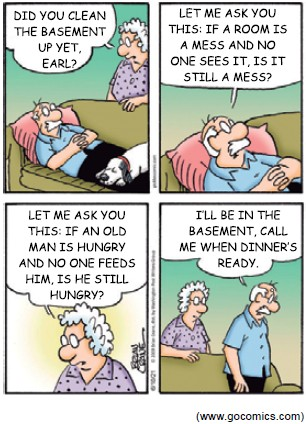
A leitura dos dois últimos quadrinhos da tirinha permite inferir que a mulher é uma pessoa
Provas
While plastic refuse littering beaches and oceans draws high-profile attention, the Food and Agriculture Organization’s (FAO) Assessment of agricultural plastics and their sustainability: a call for action suggests that the land we use to grow our food is contaminated with even larger quantities of plastic pollutants. “Soils are one of the main receptors of agricultural plastics and are known to contain larger quantities of microplastics than oceans”, FAO Deputy Director-General Maria Helena Semedo said in the report’s foreword.
According to data collated by FAO experts, agricultural value chains each year use 12.5 million tonnes of plastic products while another 37.3 million are used in food packaging. Crop production and livestock accounted for 10.2 million tonnes per year collectively, followed by fisheries and aquaculture with 2.1 million, and forestry with 0.2 million tonnes. Asia was estimated to be the largest user of plastics in agricultural production, accounting for almost half of global usage. Moreover, without viable alternatives, plastic demand in agriculture is only set to increase. As the demand for agricultural plastic continues surge, Ms. Semedo underscored the need to better monitor the quantities that “leak into the environment from agriculture”.
Since their widespread introduction in the 1950s, plastics have become ubiquitous. In agriculture, plastic products greatly help productivity, such as in covering soil to reduce weeds; nets to protect and boost plant growth, extend cropping seasons and increase yields; and tree guards, which protect young plants and trees from animals and help provide a growth-enhancing microclimate. However, of the estimated 6.3 billion tonnes of plastics produced before 2015, almost 80 per cent had never been properly disposed of. While the effects of large plastic items on marine fauna have been well documented, the impacts unleashed during their disintegration potentially affect entire ecosystems.
(https://news.un.org, 07.12.2021. Adaptado.)
No trecho do terceiro parágrafo “such as in covering soil to reduce weeds”, a expressão sublinhada foi utilizada para introduzir
Provas
While plastic refuse littering beaches and oceans draws high-profile attention, the Food and Agriculture Organization’s (FAO) Assessment of agricultural plastics and their sustainability: a call for action suggests that the land we use to grow our food is contaminated with even larger quantities of plastic pollutants. “Soils are one of the main receptors of agricultural plastics and are known to contain larger quantities of microplastics than oceans”, FAO Deputy Director-General Maria Helena Semedo said in the report’s foreword.
According to data collated by FAO experts, agricultural value chains each year use 12.5 million tonnes of plastic products while another 37.3 million are used in food packaging. Crop production and livestock accounted for 10.2 million tonnes per year collectively, followed by fisheries and aquaculture with 2.1 million, and forestry with 0.2 million tonnes. Asia was estimated to be the largest user of plastics in agricultural production, accounting for almost half of global usage. Moreover, without viable alternatives, plastic demand in agriculture is only set to increase. As the demand for agricultural plastic continues surge, Ms. Semedo underscored the need to better monitor the quantities that “leak into the environment from agriculture”.
Since their widespread introduction in the 1950s, plastics have become ubiquitous. In agriculture, plastic products greatly help productivity, such as in covering soil to reduce weeds; nets to protect and boost plant growth, extend cropping seasons and increase yields; and tree guards, which protect young plants and trees from animals and help provide a growth-enhancing microclimate. However, of the estimated 6.3 billion tonnes of plastics produced before 2015, almost 80 per cent had never been properly disposed of. While the effects of large plastic items on marine fauna have been well documented, the impacts unleashed during their disintegration potentially affect entire ecosystems.
(https://news.un.org, 07.12.2021. Adaptado.)
An idea of contrast may be found in the following excerpt from the text:
Provas
While plastic refuse littering beaches and oceans draws high-profile attention, the Food and Agriculture Organization’s (FAO) Assessment of agricultural plastics and their sustainability: a call for action suggests that the land we use to grow our food is contaminated with even larger quantities of plastic pollutants. “Soils are one of the main receptors of agricultural plastics and are known to contain larger quantities of microplastics than oceans”, FAO Deputy Director-General Maria Helena Semedo said in the report’s foreword.
According to data collated by FAO experts, agricultural value chains each year use 12.5 million tonnes of plastic products while another 37.3 million are used in food packaging. Crop production and livestock accounted for 10.2 million tonnes per year collectively, followed by fisheries and aquaculture with 2.1 million, and forestry with 0.2 million tonnes. Asia was estimated to be the largest user of plastics in agricultural production, accounting for almost half of global usage. Moreover, without viable alternatives, plastic demand in agriculture is only set to increase. As the demand for agricultural plastic continues surge, Ms. Semedo underscored the need to better monitor the quantities that “leak into the environment from agriculture”.
Since their widespread introduction in the 1950s, plastics have become ubiquitous. In agriculture, plastic products greatly help productivity, such as in covering soil to reduce weeds; nets to protect and boost plant growth, extend cropping seasons and increase yields; and tree guards, which protect young plants and trees from animals and help provide a growth-enhancing microclimate. However, of the estimated 6.3 billion tonnes of plastics produced before 2015, almost 80 per cent had never been properly disposed of. While the effects of large plastic items on marine fauna have been well documented, the impacts unleashed during their disintegration potentially affect entire ecosystems.
(https://news.un.org, 07.12.2021. Adaptado.)
The excerpt from the second paragraph “‘leak into the environment from agriculture’” refers most specifically to
Provas
While plastic refuse littering beaches and oceans draws high-profile attention, the Food and Agriculture Organization’s (FAO) Assessment of agricultural plastics and their sustainability: a call for action suggests that the land we use to grow our food is contaminated with even larger quantities of plastic pollutants. “Soils are one of the main receptors of agricultural plastics and are known to contain larger quantities of microplastics than oceans”, FAO Deputy Director-General Maria Helena Semedo said in the report’s foreword.
According to data collated by FAO experts, agricultural value chains each year use 12.5 million tonnes of plastic products while another 37.3 million are used in food packaging. Crop production and livestock accounted for 10.2 million tonnes per year collectively, followed by fisheries and aquaculture with 2.1 million, and forestry with 0.2 million tonnes. Asia was estimated to be the largest user of plastics in agricultural production, accounting for almost half of global usage. Moreover, without viable alternatives, plastic demand in agriculture is only set to increase. As the demand for agricultural plastic continues surge, Ms. Semedo underscored the need to better monitor the quantities that “leak into the environment from agriculture”.
Since their widespread introduction in the 1950s, plastics have become ubiquitous. In agriculture, plastic products greatly help productivity, such as in covering soil to reduce weeds; nets to protect and boost plant growth, extend cropping seasons and increase yields; and tree guards, which protect young plants and trees from animals and help provide a growth-enhancing microclimate. However, of the estimated 6.3 billion tonnes of plastics produced before 2015, almost 80 per cent had never been properly disposed of. While the effects of large plastic items on marine fauna have been well documented, the impacts unleashed during their disintegration potentially affect entire ecosystems.
(https://news.un.org, 07.12.2021. Adaptado.)
No trecho do segundo parágrafo “Moreover, without viable alternatives, plastic demand in agriculture is only set to increase”, o termo sublinhado pode ser substituído, sem alteração de sentido, por
Provas
While plastic refuse littering beaches and oceans draws high-profile attention, the Food and Agriculture Organization’s (FAO) Assessment of agricultural plastics and their sustainability: a call for action suggests that the land we use to grow our food is contaminated with even larger quantities of plastic pollutants. “Soils are one of the main receptors of agricultural plastics and are known to contain larger quantities of microplastics than oceans”, FAO Deputy Director-General Maria Helena Semedo said in the report’s foreword.
According to data collated by FAO experts, agricultural value chains each year use 12.5 million tonnes of plastic products while another 37.3 million are used in food packaging. Crop production and livestock accounted for 10.2 million tonnes per year collectively, followed by fisheries and aquaculture with 2.1 million, and forestry with 0.2 million tonnes. Asia was estimated to be the largest user of plastics in agricultural production, accounting for almost half of global usage. Moreover, without viable alternatives, plastic demand in agriculture is only set to increase. As the demand for agricultural plastic continues surge, Ms. Semedo underscored the need to better monitor the quantities that “leak into the environment from agriculture”.
Since their widespread introduction in the 1950s, plastics have become ubiquitous. In agriculture, plastic products greatly help productivity, such as in covering soil to reduce weeds; nets to protect and boost plant growth, extend cropping seasons and increase yields; and tree guards, which protect young plants and trees from animals and help provide a growth-enhancing microclimate. However, of the estimated 6.3 billion tonnes of plastics produced before 2015, almost 80 per cent had never been properly disposed of. While the effects of large plastic items on marine fauna have been well documented, the impacts unleashed during their disintegration potentially affect entire ecosystems.
(https://news.un.org, 07.12.2021. Adaptado.)
The text intends to
Provas
Adeus, meus sonhos, eu pranteio e morro!
Não levo da existência uma saudade!
E tanta vida que meu peito enchia
Morreu na minha triste mocidade!
Misérrimo! votei meus pobres dias
À sina doida de um amor sem fruto…
E minh’alma na treva agora dorme
Como um olhar que a morte envolve em luto.
Que me resta, meu Deus?!… morra comigo
A estrela de meus cândidos amores,
Já que não levo no meu peito morto
Um punhado sequer de murchas flores!
(Lira dos vinte anos, 1996.)
“Que me resta, meu Deus?!… morra comigo
A estrela de meus cândidos amores,
Já que não levo no meu peito morto
Um punhado sequer de murchas flores!”
A expressão sublinhada pode ser substituída, sem prejuízo para o sentido do verso, por:
Provas
Adeus, meus sonhos, eu pranteio e morro!
Não levo da existência uma saudade!
E tanta vida que meu peito enchia
Morreu na minha triste mocidade!
Misérrimo! votei meus pobres dias
À sina doida de um amor sem fruto…
E minh’alma na treva agora dorme
Como um olhar que a morte envolve em luto.
Que me resta, meu Deus?!… morra comigo
A estrela de meus cândidos amores,
Já que não levo no meu peito morto
Um punhado sequer de murchas flores!
(Lira dos vinte anos, 1996.)
Há na segunda estrofe um pronome relativo que se refere a um termo antecedente. Esse termo antecedente é:
Provas
Caderno Container