Foram encontradas 45 questões.
QUESTION

https://br.pinterest.com/pin/413979390740412979/?lp= true Accessed on: 22/06/2018
Provas

QUESTION
https://br.pinterest.com/pin/413979390740412979/?lp= true Accessed on: 22/06/2018
Provas
QUESTION
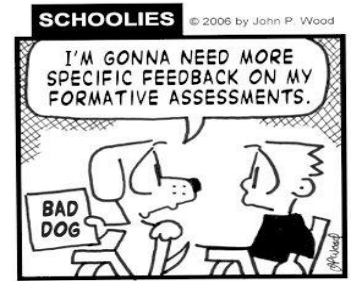
Source: https://br.pinterest.com/pin/523332419172769962/ Accessed on 18/06/2018
Provas
- Aspectos linguísticos | Linguistic aspects
- Gramática - Língua InglesaVerbos | Verbs
- Gramática - Língua InglesaPreposições | Prepositions
QUESTION
Source: https://br.pinterest.com/pin/523332419172769962/ Accessed on 18/06/2018
Provas
QUESTION

Source: http://www.glasbergen.com/educationcartoons/education-technology/nggallery/page/2 Accessed on: 21/06/2018
Provas
QUESTION

Source: https://www.offthemark.com/cartoon/medicalhealth/psychology/2007-12-13 Accessed on 19/06/2018
Provas
QUESTION
Source: https://www.offthemark.com/cartoon/medicalhealth/psychology/2007-12-13 Accessed on 19/06/2018
Provas
QUESTION
Technological change – from consumers to producers
Chris Pim
Over the last 20 years, there has been a tremendous shift in the way that users integrate technology into their personal lives. These changes have taken time to filter down into the educational sector, but slowly teachers have realised the need to adapt their practice in order to reflect the changing nature of technological use in the wider world.
In the past, technology has predominately been used to source and consume information, whereas today"s learners have become particularly adept at creating and collaboratively developing content for a wide variety of purposes, for example so-called Web 2.0 tools such as blogs, forums and wikis. Moreover, children and young people are now becoming increasingly interested in the concept of „content curation" –selecting, sifting, showcasing and sharing content with friends, family and peers.
The change from a „read Web" to a „read/write Web" has encouraged teachers to become increasingly inventive in their approach to engaging technologically savvy learners who want to publish their work within an ever expanding arena.
(…)
PIM, Chris. Emerging Technologies, emerging minds: digital innovations within the primary sector. In MOTTERAM, Gary (Ed.) Innovations in learning technologies for English language teaching. London: British Council, 2013.
Provas
QUESTION
Technological change – from consumers to producers
Chris Pim
Over the last 20 years, there has been a tremendous shift in the way that users integrate technology into their personal lives. These changes have taken time to filter down into the educational sector, but slowly teachers have realised the need to adapt their practice in order to reflect the changing nature of technological use in the wider world.
In the past, technology has predominately been used to source and consume information, whereas today"s learners have become particularly adept at creating and collaboratively developing content for a wide variety of purposes, for example so-called Web 2.0 tools such as blogs, forums and wikis. Moreover, children and young people are now becoming increasingly interested in the concept of „content curation" –selecting, sifting, showcasing and sharing content with friends, family and peers.
The change from a „read Web" to a „read/write Web" has encouraged teachers to become increasingly inventive in their approach to engaging technologically savvy learners who want to publish their work within an ever expanding arena.
(…)
PIM, Chris. Emerging Technologies, emerging minds: digital innovations within the primary sector. In MOTTERAM, Gary (Ed.) Innovations in learning technologies for English language teaching. London: British Council, 2013.
Provas
QUESTION
Technological change – from consumers to producers
Chris Pim
Over the last 20 years, there has been a tremendous shift in the way that users integrate technology into their personal lives. These changes have taken time to filter down into the educational sector, but slowly teachers have realised the need to adapt their practice in order to reflect the changing nature of technological use in the wider world.
In the past, technology has predominately been used to source and consume information, whereas today"s learners have become particularly adept at creating and collaboratively developing content for a wide variety of purposes, for example so-called Web 2.0 tools such as blogs, forums and wikis. Moreover, children and young people are now becoming increasingly interested in the concept of „content curation" –selecting, sifting, showcasing and sharing content with friends, family and peers.
The change from a „read Web" to a „read/write Web" has encouraged teachers to become increasingly inventive in their approach to engaging technologically savvy learners who want to publish their work within an ever expanding arena.
(…)
PIM, Chris. Emerging Technologies, emerging minds: digital innovations within the primary sector. In MOTTERAM, Gary (Ed.) Innovations in learning technologies for English language teaching. London: British Council, 2013.
Provas
Caderno Container