Foram encontradas 40 questões.
Certo jogo de tabuleiro utiliza um "dado" especial que vem impresso, planificado, em uma folha de papel cartão. A figura abaixo mostra a planificação do "dado", antes de ser montado.
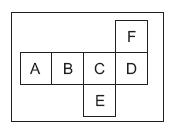
Depois de montado, quais letras ficarão em faces opostas?
Depois de montado, quais letras ficarão em faces opostas?
Provas
Questão presente nas seguintes provas

Good Stuff? - A Consumption Manifesto:
The Top Ten Principles of Good Consumption
Consumption is one of life's great pleasures. Buying
things we desire, traveling to beautiful places, eating
delectable food: icing on the cake of life. But too often the
effects of our blissful consumption make for a sad story.
Giant cars exhaling dangerous exhaust, hog farms pumping
out harmful pollutants, toxic trash pestering poor
neighborhoods - none of this if there weren't something
to sell.
But there's no need to trade pleasure for guilt. With
thoughtfulness and commitment, consumption can be a force
for good. Through buying what we need, produced the way
we want, we can create the world we'd like to live in.
To that end and for the future, a Consumption Manifesto:
Principle One. Reduce, Reuse, Recycle. This brilliant triad
says it all. Reduce: Avoid buying what you don't need-
and when you do get that dishwasher/lawnmower/toilet,
spend the money up front for an efficient model. Re-use:
Buy used stuff, and wring the last drop of usefulness out of
most everything you own. Recycle: Do it, but know that
it's the last and least effective leg of the triad. (Ultimately,
recycling simply results in the manufacture of more things.)
Principle Two. Stay close to home. Work close to home
to shorten your commute; eat food grown nearby; support
local businesses; join local organizations. All of these will
improve the look, shape, smell, and feel of your community.
Principle Three. Internal combustion engines are polluting,
and their use should be minimized. Period.
Principle Four. Watch what you eat. Whenever possible,
avoid food grown with pesticides, in feedlots, or by
agribusiness. It's an easy way to use your dollars to vote
against the spread of toxins in our bodies, land, and water.
Principle Five. Private industries have very little incentive
to improve their environmental practices. Our consumption
choices must encourage and support good behavior; our
political choices must support government regulation.
Principle Six. Support thoughtful innovations in
manufacturing and production. Hint: Drilling for oil is no
longer an innovation.
Principle Seven. Prioritize. Think hardest when buying
large objects; don't drive yourself mad fretting over the small
ones. It's easy to be distracted by the paper bag puzzle,
but an energy-sucking refrigerator is much more worthy of
your attention. (Small electronics are an exception.)
Principle Eight. Vote. Political engagement enables the
spread of environmentally conscious policies. Without
public action, thoughtful individuals are swimming
upstream.
Principle Nine. Don't feel guilty. It only makes you sad.
Principle Ten. Enjoy what you have-the things that are
yours alone, and the things that belong to none of us. Both
are nice, but the latter are precious. Those things that we
cannot manufacture and should never own-water, air, birds,
trees-are the foundation of life's pleasures. Without them,
we're nothing. With us, there may be nothing left. It's our
choice.
Umbra Fisk, Grist Magazine.
Slightly adapted from: http://www.worldwatch.org/node/1470
Access on June 1, 2007.
What does the author state about recycling?The Top Ten Principles of Good Consumption
Consumption is one of life's great pleasures. Buying
things we desire, traveling to beautiful places, eating
delectable food: icing on the cake of life. But too often the
effects of our blissful consumption make for a sad story.
Giant cars exhaling dangerous exhaust, hog farms pumping
out harmful pollutants, toxic trash pestering poor
neighborhoods - none of this if there weren't something
to sell.
But there's no need to trade pleasure for guilt. With
thoughtfulness and commitment, consumption can be a force
for good. Through buying what we need, produced the way
we want, we can create the world we'd like to live in.
To that end and for the future, a Consumption Manifesto:
Principle One. Reduce, Reuse, Recycle. This brilliant triad
says it all. Reduce: Avoid buying what you don't need-
and when you do get that dishwasher/lawnmower/toilet,
spend the money up front for an efficient model. Re-use:
Buy used stuff, and wring the last drop of usefulness out of
most everything you own. Recycle: Do it, but know that
it's the last and least effective leg of the triad. (Ultimately,
recycling simply results in the manufacture of more things.)
Principle Two. Stay close to home. Work close to home
to shorten your commute; eat food grown nearby; support
local businesses; join local organizations. All of these will
improve the look, shape, smell, and feel of your community.
Principle Three. Internal combustion engines are polluting,
and their use should be minimized. Period.
Principle Four. Watch what you eat. Whenever possible,
avoid food grown with pesticides, in feedlots, or by
agribusiness. It's an easy way to use your dollars to vote
against the spread of toxins in our bodies, land, and water.
Principle Five. Private industries have very little incentive
to improve their environmental practices. Our consumption
choices must encourage and support good behavior; our
political choices must support government regulation.
Principle Six. Support thoughtful innovations in
manufacturing and production. Hint: Drilling for oil is no
longer an innovation.
Principle Seven. Prioritize. Think hardest when buying
large objects; don't drive yourself mad fretting over the small
ones. It's easy to be distracted by the paper bag puzzle,
but an energy-sucking refrigerator is much more worthy of
your attention. (Small electronics are an exception.)
Principle Eight. Vote. Political engagement enables the
spread of environmentally conscious policies. Without
public action, thoughtful individuals are swimming
upstream.
Principle Nine. Don't feel guilty. It only makes you sad.
Principle Ten. Enjoy what you have-the things that are
yours alone, and the things that belong to none of us. Both
are nice, but the latter are precious. Those things that we
cannot manufacture and should never own-water, air, birds,
trees-are the foundation of life's pleasures. Without them,
we're nothing. With us, there may be nothing left. It's our
choice.
Umbra Fisk, Grist Magazine.
Slightly adapted from: http://www.worldwatch.org/node/1470
Access on June 1, 2007.
Provas
Questão presente nas seguintes provas
Good Stuff? - A Consumption Manifesto:
The Top Ten Principles of Good Consumption
Consumption is one of life's great pleasures. Buying
things we desire, traveling to beautiful places, eating
delectable food: icing on the cake of life. But too often the
effects of our blissful consumption make for a sad story.
Giant cars exhaling dangerous exhaust, hog farms pumping
out harmful pollutants, toxic trash pestering poor
neighborhoods - none of this if there weren't something
to sell.
But there's no need to trade pleasure for guilt. With
thoughtfulness and commitment, consumption can be a force
for good. Through buying what we need, produced the way
we want, we can create the world we'd like to live in.
To that end and for the future, a Consumption Manifesto:
Principle One. Reduce, Reuse, Recycle. This brilliant triad
says it all. Reduce: Avoid buying what you don't need-
and when you do get that dishwasher/lawnmower/toilet,
spend the money up front for an efficient model. Re-use:
Buy used stuff, and wring the last drop of usefulness out of
most everything you own. Recycle: Do it, but know that
it's the last and least effective leg of the triad. (Ultimately,
recycling simply results in the manufacture of more things.)
Principle Two. Stay close to home. Work close to home
to shorten your commute; eat food grown nearby; support
local businesses; join local organizations. All of these will
improve the look, shape, smell, and feel of your community.
Principle Three. Internal combustion engines are polluting,
and their use should be minimized. Period.
Principle Four. Watch what you eat. Whenever possible,
avoid food grown with pesticides, in feedlots, or by
agribusiness. It's an easy way to use your dollars to vote
against the spread of toxins in our bodies, land, and water.
Principle Five. Private industries have very little incentive
to improve their environmental practices. Our consumption
choices must encourage and support good behavior; our
political choices must support government regulation.
Principle Six. Support thoughtful innovations in
manufacturing and production. Hint: Drilling for oil is no
longer an innovation.
Principle Seven. Prioritize. Think hardest when buying
large objects; don't drive yourself mad fretting over the small
ones. It's easy to be distracted by the paper bag puzzle,
but an energy-sucking refrigerator is much more worthy of
your attention. (Small electronics are an exception.)
Principle Eight. Vote. Political engagement enables the
spread of environmentally conscious policies. Without
public action, thoughtful individuals are swimming
upstream.
Principle Nine. Don't feel guilty. It only makes you sad.
Principle Ten. Enjoy what you have-the things that are
yours alone, and the things that belong to none of us. Both
are nice, but the latter are precious. Those things that we
cannot manufacture and should never own-water, air, birds,
trees-are the foundation of life's pleasures. Without them,
we're nothing. With us, there may be nothing left. It's our
choice.
Umbra Fisk, Grist Magazine.
Slightly adapted from: http://www.worldwatch.org/node/1470
Access on June 1, 2007.
In "we can create the world we'd like to live in." (line 12), "can" is correctly substituted by:The Top Ten Principles of Good Consumption
Consumption is one of life's great pleasures. Buying
things we desire, traveling to beautiful places, eating
delectable food: icing on the cake of life. But too often the
effects of our blissful consumption make for a sad story.
Giant cars exhaling dangerous exhaust, hog farms pumping
out harmful pollutants, toxic trash pestering poor
neighborhoods - none of this if there weren't something
to sell.
But there's no need to trade pleasure for guilt. With
thoughtfulness and commitment, consumption can be a force
for good. Through buying what we need, produced the way
we want, we can create the world we'd like to live in.
To that end and for the future, a Consumption Manifesto:
Principle One. Reduce, Reuse, Recycle. This brilliant triad
says it all. Reduce: Avoid buying what you don't need-
and when you do get that dishwasher/lawnmower/toilet,
spend the money up front for an efficient model. Re-use:
Buy used stuff, and wring the last drop of usefulness out of
most everything you own. Recycle: Do it, but know that
it's the last and least effective leg of the triad. (Ultimately,
recycling simply results in the manufacture of more things.)
Principle Two. Stay close to home. Work close to home
to shorten your commute; eat food grown nearby; support
local businesses; join local organizations. All of these will
improve the look, shape, smell, and feel of your community.
Principle Three. Internal combustion engines are polluting,
and their use should be minimized. Period.
Principle Four. Watch what you eat. Whenever possible,
avoid food grown with pesticides, in feedlots, or by
agribusiness. It's an easy way to use your dollars to vote
against the spread of toxins in our bodies, land, and water.
Principle Five. Private industries have very little incentive
to improve their environmental practices. Our consumption
choices must encourage and support good behavior; our
political choices must support government regulation.
Principle Six. Support thoughtful innovations in
manufacturing and production. Hint: Drilling for oil is no
longer an innovation.
Principle Seven. Prioritize. Think hardest when buying
large objects; don't drive yourself mad fretting over the small
ones. It's easy to be distracted by the paper bag puzzle,
but an energy-sucking refrigerator is much more worthy of
your attention. (Small electronics are an exception.)
Principle Eight. Vote. Political engagement enables the
spread of environmentally conscious policies. Without
public action, thoughtful individuals are swimming
upstream.
Principle Nine. Don't feel guilty. It only makes you sad.
Principle Ten. Enjoy what you have-the things that are
yours alone, and the things that belong to none of us. Both
are nice, but the latter are precious. Those things that we
cannot manufacture and should never own-water, air, birds,
trees-are the foundation of life's pleasures. Without them,
we're nothing. With us, there may be nothing left. It's our
choice.
Umbra Fisk, Grist Magazine.
Slightly adapted from: http://www.worldwatch.org/node/1470
Access on June 1, 2007.
Provas
Questão presente nas seguintes provas
Good Stuff? - A Consumption Manifesto:
The Top Ten Principles of Good Consumption
Consumption is one of life's great pleasures. Buying
things we desire, traveling to beautiful places, eating
delectable food: icing on the cake of life. But too often the
effects of our blissful consumption make for a sad story.
Giant cars exhaling dangerous exhaust, hog farms pumping
out harmful pollutants, toxic trash pestering poor
neighborhoods - none of this if there weren't something
to sell.
But there's no need to trade pleasure for guilt. With
thoughtfulness and commitment, consumption can be a force
for good. Through buying what we need, produced the way
we want, we can create the world we'd like to live in.
To that end and for the future, a Consumption Manifesto:
Principle One. Reduce, Reuse, Recycle. This brilliant triad
says it all. Reduce: Avoid buying what you don't need-
and when you do get that dishwasher/lawnmower/toilet,
spend the money up front for an efficient model. Re-use:
Buy used stuff, and wring the last drop of usefulness out of
most everything you own. Recycle: Do it, but know that
it's the last and least effective leg of the triad. (Ultimately,
recycling simply results in the manufacture of more things.)
Principle Two. Stay close to home. Work close to home
to shorten your commute; eat food grown nearby; support
local businesses; join local organizations. All of these will
improve the look, shape, smell, and feel of your community.
Principle Three. Internal combustion engines are polluting,
and their use should be minimized. Period.
Principle Four. Watch what you eat. Whenever possible,
avoid food grown with pesticides, in feedlots, or by
agribusiness. It's an easy way to use your dollars to vote
against the spread of toxins in our bodies, land, and water.
Principle Five. Private industries have very little incentive
to improve their environmental practices. Our consumption
choices must encourage and support good behavior; our
political choices must support government regulation.
Principle Six. Support thoughtful innovations in
manufacturing and production. Hint: Drilling for oil is no
longer an innovation.
Principle Seven. Prioritize. Think hardest when buying
large objects; don't drive yourself mad fretting over the small
ones. It's easy to be distracted by the paper bag puzzle,
but an energy-sucking refrigerator is much more worthy of
your attention. (Small electronics are an exception.)
Principle Eight. Vote. Political engagement enables the
spread of environmentally conscious policies. Without
public action, thoughtful individuals are swimming
upstream.
Principle Nine. Don't feel guilty. It only makes you sad.
Principle Ten. Enjoy what you have-the things that are
yours alone, and the things that belong to none of us. Both
are nice, but the latter are precious. Those things that we
cannot manufacture and should never own-water, air, birds,
trees-are the foundation of life's pleasures. Without them,
we're nothing. With us, there may be nothing left. It's our
choice.
Umbra Fisk, Grist Magazine.
Slightly adapted from: http://www.worldwatch.org/node/1470
Access on June 1, 2007.
Check the only alternative that is NOT correct according to the principles listed in the manifesto.The Top Ten Principles of Good Consumption
Consumption is one of life's great pleasures. Buying
things we desire, traveling to beautiful places, eating
delectable food: icing on the cake of life. But too often the
effects of our blissful consumption make for a sad story.
Giant cars exhaling dangerous exhaust, hog farms pumping
out harmful pollutants, toxic trash pestering poor
neighborhoods - none of this if there weren't something
to sell.
But there's no need to trade pleasure for guilt. With
thoughtfulness and commitment, consumption can be a force
for good. Through buying what we need, produced the way
we want, we can create the world we'd like to live in.
To that end and for the future, a Consumption Manifesto:
Principle One. Reduce, Reuse, Recycle. This brilliant triad
says it all. Reduce: Avoid buying what you don't need-
and when you do get that dishwasher/lawnmower/toilet,
spend the money up front for an efficient model. Re-use:
Buy used stuff, and wring the last drop of usefulness out of
most everything you own. Recycle: Do it, but know that
it's the last and least effective leg of the triad. (Ultimately,
recycling simply results in the manufacture of more things.)
Principle Two. Stay close to home. Work close to home
to shorten your commute; eat food grown nearby; support
local businesses; join local organizations. All of these will
improve the look, shape, smell, and feel of your community.
Principle Three. Internal combustion engines are polluting,
and their use should be minimized. Period.
Principle Four. Watch what you eat. Whenever possible,
avoid food grown with pesticides, in feedlots, or by
agribusiness. It's an easy way to use your dollars to vote
against the spread of toxins in our bodies, land, and water.
Principle Five. Private industries have very little incentive
to improve their environmental practices. Our consumption
choices must encourage and support good behavior; our
political choices must support government regulation.
Principle Six. Support thoughtful innovations in
manufacturing and production. Hint: Drilling for oil is no
longer an innovation.
Principle Seven. Prioritize. Think hardest when buying
large objects; don't drive yourself mad fretting over the small
ones. It's easy to be distracted by the paper bag puzzle,
but an energy-sucking refrigerator is much more worthy of
your attention. (Small electronics are an exception.)
Principle Eight. Vote. Political engagement enables the
spread of environmentally conscious policies. Without
public action, thoughtful individuals are swimming
upstream.
Principle Nine. Don't feel guilty. It only makes you sad.
Principle Ten. Enjoy what you have-the things that are
yours alone, and the things that belong to none of us. Both
are nice, but the latter are precious. Those things that we
cannot manufacture and should never own-water, air, birds,
trees-are the foundation of life's pleasures. Without them,
we're nothing. With us, there may be nothing left. It's our
choice.
Umbra Fisk, Grist Magazine.
Slightly adapted from: http://www.worldwatch.org/node/1470
Access on June 1, 2007.
Provas
Questão presente nas seguintes provas
Good Stuff? - A Consumption Manifesto:
The Top Ten Principles of Good Consumption
Consumption is one of life's great pleasures. Buying
things we desire, traveling to beautiful places, eating
delectable food: icing on the cake of life. But too often the
effects of our blissful consumption make for a sad story.
Giant cars exhaling dangerous exhaust, hog farms pumping
out harmful pollutants, toxic trash pestering poor
neighborhoods - none of this if there weren't something
to sell.
But there's no need to trade pleasure for guilt. With
thoughtfulness and commitment, consumption can be a force
for good. Through buying what we need, produced the way
we want, we can create the world we'd like to live in.
To that end and for the future, a Consumption Manifesto:
Principle One. Reduce, Reuse, Recycle. This brilliant triad
says it all. Reduce: Avoid buying what you don't need-
and when you do get that dishwasher/lawnmower/toilet,
spend the money up front for an efficient model. Re-use:
Buy used stuff, and wring the last drop of usefulness out of
most everything you own. Recycle: Do it, but know that
it's the last and least effective leg of the triad. (Ultimately,
recycling simply results in the manufacture of more things.)
Principle Two. Stay close to home. Work close to home
to shorten your commute; eat food grown nearby; support
local businesses; join local organizations. All of these will
improve the look, shape, smell, and feel of your community.
Principle Three. Internal combustion engines are polluting,
and their use should be minimized. Period.
Principle Four. Watch what you eat. Whenever possible,
avoid food grown with pesticides, in feedlots, or by
agribusiness. It's an easy way to use your dollars to vote
against the spread of toxins in our bodies, land, and water.
Principle Five. Private industries have very little incentive
to improve their environmental practices. Our consumption
choices must encourage and support good behavior; our
political choices must support government regulation.
Principle Six. Support thoughtful innovations in
manufacturing and production. Hint: Drilling for oil is no
longer an innovation.
Principle Seven. Prioritize. Think hardest when buying
large objects; don't drive yourself mad fretting over the small
ones. It's easy to be distracted by the paper bag puzzle,
but an energy-sucking refrigerator is much more worthy of
your attention. (Small electronics are an exception.)
Principle Eight. Vote. Political engagement enables the
spread of environmentally conscious policies. Without
public action, thoughtful individuals are swimming
upstream.
Principle Nine. Don't feel guilty. It only makes you sad.
Principle Ten. Enjoy what you have-the things that are
yours alone, and the things that belong to none of us. Both
are nice, but the latter are precious. Those things that we
cannot manufacture and should never own-water, air, birds,
trees-are the foundation of life's pleasures. Without them,
we're nothing. With us, there may be nothing left. It's our
choice.
Umbra Fisk, Grist Magazine.
Slightly adapted from: http://www.worldwatch.org/node/1470
Access on June 1, 2007.
The main purpose of this text is to:The Top Ten Principles of Good Consumption
Consumption is one of life's great pleasures. Buying
things we desire, traveling to beautiful places, eating
delectable food: icing on the cake of life. But too often the
effects of our blissful consumption make for a sad story.
Giant cars exhaling dangerous exhaust, hog farms pumping
out harmful pollutants, toxic trash pestering poor
neighborhoods - none of this if there weren't something
to sell.
But there's no need to trade pleasure for guilt. With
thoughtfulness and commitment, consumption can be a force
for good. Through buying what we need, produced the way
we want, we can create the world we'd like to live in.
To that end and for the future, a Consumption Manifesto:
Principle One. Reduce, Reuse, Recycle. This brilliant triad
says it all. Reduce: Avoid buying what you don't need-
and when you do get that dishwasher/lawnmower/toilet,
spend the money up front for an efficient model. Re-use:
Buy used stuff, and wring the last drop of usefulness out of
most everything you own. Recycle: Do it, but know that
it's the last and least effective leg of the triad. (Ultimately,
recycling simply results in the manufacture of more things.)
Principle Two. Stay close to home. Work close to home
to shorten your commute; eat food grown nearby; support
local businesses; join local organizations. All of these will
improve the look, shape, smell, and feel of your community.
Principle Three. Internal combustion engines are polluting,
and their use should be minimized. Period.
Principle Four. Watch what you eat. Whenever possible,
avoid food grown with pesticides, in feedlots, or by
agribusiness. It's an easy way to use your dollars to vote
against the spread of toxins in our bodies, land, and water.
Principle Five. Private industries have very little incentive
to improve their environmental practices. Our consumption
choices must encourage and support good behavior; our
political choices must support government regulation.
Principle Six. Support thoughtful innovations in
manufacturing and production. Hint: Drilling for oil is no
longer an innovation.
Principle Seven. Prioritize. Think hardest when buying
large objects; don't drive yourself mad fretting over the small
ones. It's easy to be distracted by the paper bag puzzle,
but an energy-sucking refrigerator is much more worthy of
your attention. (Small electronics are an exception.)
Principle Eight. Vote. Political engagement enables the
spread of environmentally conscious policies. Without
public action, thoughtful individuals are swimming
upstream.
Principle Nine. Don't feel guilty. It only makes you sad.
Principle Ten. Enjoy what you have-the things that are
yours alone, and the things that belong to none of us. Both
are nice, but the latter are precious. Those things that we
cannot manufacture and should never own-water, air, birds,
trees-are the foundation of life's pleasures. Without them,
we're nothing. With us, there may be nothing left. It's our
choice.
Umbra Fisk, Grist Magazine.
Slightly adapted from: http://www.worldwatch.org/node/1470
Access on June 1, 2007.
Provas
Questão presente nas seguintes provas
Good Stuff? - A Consumption Manifesto:
The Top Ten Principles of Good Consumption
Consumption is one of life's great pleasures. Buying
things we desire, traveling to beautiful places, eating
delectable food: icing on the cake of life. But too often the
effects of our blissful consumption make for a sad story.
Giant cars exhaling dangerous exhaust, hog farms pumping
out harmful pollutants, toxic trash pestering poor
neighborhoods - none of this if there weren't something
to sell.
But there's no need to trade pleasure for guilt. With
thoughtfulness and commitment, consumption can be a force
for good. Through buying what we need, produced the way
we want, we can create the world we'd like to live in.
To that end and for the future, a Consumption Manifesto:
Principle One. Reduce, Reuse, Recycle. This brilliant triad
says it all. Reduce: Avoid buying what you don't need-
and when you do get that dishwasher/lawnmower/toilet,
spend the money up front for an efficient model. Re-use:
Buy used stuff, and wring the last drop of usefulness out of
most everything you own. Recycle: Do it, but know that
it's the last and least effective leg of the triad. (Ultimately,
recycling simply results in the manufacture of more things.)
Principle Two. Stay close to home. Work close to home
to shorten your commute; eat food grown nearby; support
local businesses; join local organizations. All of these will
improve the look, shape, smell, and feel of your community.
Principle Three. Internal combustion engines are polluting,
and their use should be minimized. Period.
Principle Four. Watch what you eat. Whenever possible,
avoid food grown with pesticides, in feedlots, or by
agribusiness. It's an easy way to use your dollars to vote
against the spread of toxins in our bodies, land, and water.
Principle Five. Private industries have very little incentive
to improve their environmental practices. Our consumption
choices must encourage and support good behavior; our
political choices must support government regulation.
Principle Six. Support thoughtful innovations in
manufacturing and production. Hint: Drilling for oil is no
longer an innovation.
Principle Seven. Prioritize. Think hardest when buying
large objects; don't drive yourself mad fretting over the small
ones. It's easy to be distracted by the paper bag puzzle,
but an energy-sucking refrigerator is much more worthy of
your attention. (Small electronics are an exception.)
Principle Eight. Vote. Political engagement enables the
spread of environmentally conscious policies. Without
public action, thoughtful individuals are swimming
upstream.
Principle Nine. Don't feel guilty. It only makes you sad.
Principle Ten. Enjoy what you have-the things that are
yours alone, and the things that belong to none of us. Both
are nice, but the latter are precious. Those things that we
cannot manufacture and should never own-water, air, birds,
trees-are the foundation of life's pleasures. Without them,
we're nothing. With us, there may be nothing left. It's our
choice.
Umbra Fisk, Grist Magazine.
Slightly adapted from: http://www.worldwatch.org/node/1470
Access on June 1, 2007.
The sentence "Our consumption choices must encourage and support good behavior" (line 33-34), means that:The Top Ten Principles of Good Consumption
Consumption is one of life's great pleasures. Buying
things we desire, traveling to beautiful places, eating
delectable food: icing on the cake of life. But too often the
effects of our blissful consumption make for a sad story.
Giant cars exhaling dangerous exhaust, hog farms pumping
out harmful pollutants, toxic trash pestering poor
neighborhoods - none of this if there weren't something
to sell.
But there's no need to trade pleasure for guilt. With
thoughtfulness and commitment, consumption can be a force
for good. Through buying what we need, produced the way
we want, we can create the world we'd like to live in.
To that end and for the future, a Consumption Manifesto:
Principle One. Reduce, Reuse, Recycle. This brilliant triad
says it all. Reduce: Avoid buying what you don't need-
and when you do get that dishwasher/lawnmower/toilet,
spend the money up front for an efficient model. Re-use:
Buy used stuff, and wring the last drop of usefulness out of
most everything you own. Recycle: Do it, but know that
it's the last and least effective leg of the triad. (Ultimately,
recycling simply results in the manufacture of more things.)
Principle Two. Stay close to home. Work close to home
to shorten your commute; eat food grown nearby; support
local businesses; join local organizations. All of these will
improve the look, shape, smell, and feel of your community.
Principle Three. Internal combustion engines are polluting,
and their use should be minimized. Period.
Principle Four. Watch what you eat. Whenever possible,
avoid food grown with pesticides, in feedlots, or by
agribusiness. It's an easy way to use your dollars to vote
against the spread of toxins in our bodies, land, and water.
Principle Five. Private industries have very little incentive
to improve their environmental practices. Our consumption
choices must encourage and support good behavior; our
political choices must support government regulation.
Principle Six. Support thoughtful innovations in
manufacturing and production. Hint: Drilling for oil is no
longer an innovation.
Principle Seven. Prioritize. Think hardest when buying
large objects; don't drive yourself mad fretting over the small
ones. It's easy to be distracted by the paper bag puzzle,
but an energy-sucking refrigerator is much more worthy of
your attention. (Small electronics are an exception.)
Principle Eight. Vote. Political engagement enables the
spread of environmentally conscious policies. Without
public action, thoughtful individuals are swimming
upstream.
Principle Nine. Don't feel guilty. It only makes you sad.
Principle Ten. Enjoy what you have-the things that are
yours alone, and the things that belong to none of us. Both
are nice, but the latter are precious. Those things that we
cannot manufacture and should never own-water, air, birds,
trees-are the foundation of life's pleasures. Without them,
we're nothing. With us, there may be nothing left. It's our
choice.
Umbra Fisk, Grist Magazine.
Slightly adapted from: http://www.worldwatch.org/node/1470
Access on June 1, 2007.
Provas
Questão presente nas seguintes provas
- Pronome objetivo | Objective pronoun
- Gramática - Língua InglesaPronomes | PronounsPronome possessivo adjetivo | Possessive adjective
- Gramática - Língua InglesaPronomes | PronounsPronome demonstrativo | Demonstrative pronoun
Good Stuff? - A Consumption Manifesto:
The Top Ten Principles of Good Consumption
Consumption is one of life's great pleasures. Buying
things we desire, traveling to beautiful places, eating
delectable food: icing on the cake of life. But too often the
effects of our blissful consumption make for a sad story.
Giant cars exhaling dangerous exhaust, hog farms pumping
out harmful pollutants, toxic trash pestering poor
neighborhoods - none of this if there weren't something
to sell.
But there's no need to trade pleasure for guilt. With
thoughtfulness and commitment, consumption can be a force
for good. Through buying what we need, produced the way
we want, we can create the world we'd like to live in.
To that end and for the future, a Consumption Manifesto:
Principle One. Reduce, Reuse, Recycle. This brilliant triad
says it all. Reduce: Avoid buying what you don't need-
and when you do get that dishwasher/lawnmower/toilet,
spend the money up front for an efficient model. Re-use:
Buy used stuff, and wring the last drop of usefulness out of
most everything you own. Recycle: Do it, but know that
it's the last and least effective leg of the triad. (Ultimately,
recycling simply results in the manufacture of more things.)
Principle Two. Stay close to home. Work close to home
to shorten your commute; eat food grown nearby; support
local businesses; join local organizations. All of these will
improve the look, shape, smell, and feel of your community.
Principle Three. Internal combustion engines are polluting,
and their use should be minimized. Period.
Principle Four. Watch what you eat. Whenever possible,
avoid food grown with pesticides, in feedlots, or by
agribusiness. It's an easy way to use your dollars to vote
against the spread of toxins in our bodies, land, and water.
Principle Five. Private industries have very little incentive
to improve their environmental practices. Our consumption
choices must encourage and support good behavior; our
political choices must support government regulation.
Principle Six. Support thoughtful innovations in
manufacturing and production. Hint: Drilling for oil is no
longer an innovation.
Principle Seven. Prioritize. Think hardest when buying
large objects; don't drive yourself mad fretting over the small
ones. It's easy to be distracted by the paper bag puzzle,
but an energy-sucking refrigerator is much more worthy of
your attention. (Small electronics are an exception.)
Principle Eight. Vote. Political engagement enables the
spread of environmentally conscious policies. Without
public action, thoughtful individuals are swimming
upstream.
Principle Nine. Don't feel guilty. It only makes you sad.
Principle Ten. Enjoy what you have-the things that are
yours alone, and the things that belong to none of us. Both
are nice, but the latter are precious. Those things that we
cannot manufacture and should never own-water, air, birds,
trees-are the foundation of life's pleasures. Without them,
we're nothing. With us, there may be nothing left. It's our
choice.
Umbra Fisk, Grist Magazine.
Slightly adapted from: http://www.worldwatch.org/node/1470
Access on June 1, 2007.
Mark the correct statement concerning reference.The Top Ten Principles of Good Consumption
Consumption is one of life's great pleasures. Buying
things we desire, traveling to beautiful places, eating
delectable food: icing on the cake of life. But too often the
effects of our blissful consumption make for a sad story.
Giant cars exhaling dangerous exhaust, hog farms pumping
out harmful pollutants, toxic trash pestering poor
neighborhoods - none of this if there weren't something
to sell.
But there's no need to trade pleasure for guilt. With
thoughtfulness and commitment, consumption can be a force
for good. Through buying what we need, produced the way
we want, we can create the world we'd like to live in.
To that end and for the future, a Consumption Manifesto:
Principle One. Reduce, Reuse, Recycle. This brilliant triad
says it all. Reduce: Avoid buying what you don't need-
and when you do get that dishwasher/lawnmower/toilet,
spend the money up front for an efficient model. Re-use:
Buy used stuff, and wring the last drop of usefulness out of
most everything you own. Recycle: Do it, but know that
it's the last and least effective leg of the triad. (Ultimately,
recycling simply results in the manufacture of more things.)
Principle Two. Stay close to home. Work close to home
to shorten your commute; eat food grown nearby; support
local businesses; join local organizations. All of these will
improve the look, shape, smell, and feel of your community.
Principle Three. Internal combustion engines are polluting,
and their use should be minimized. Period.
Principle Four. Watch what you eat. Whenever possible,
avoid food grown with pesticides, in feedlots, or by
agribusiness. It's an easy way to use your dollars to vote
against the spread of toxins in our bodies, land, and water.
Principle Five. Private industries have very little incentive
to improve their environmental practices. Our consumption
choices must encourage and support good behavior; our
political choices must support government regulation.
Principle Six. Support thoughtful innovations in
manufacturing and production. Hint: Drilling for oil is no
longer an innovation.
Principle Seven. Prioritize. Think hardest when buying
large objects; don't drive yourself mad fretting over the small
ones. It's easy to be distracted by the paper bag puzzle,
but an energy-sucking refrigerator is much more worthy of
your attention. (Small electronics are an exception.)
Principle Eight. Vote. Political engagement enables the
spread of environmentally conscious policies. Without
public action, thoughtful individuals are swimming
upstream.
Principle Nine. Don't feel guilty. It only makes you sad.
Principle Ten. Enjoy what you have-the things that are
yours alone, and the things that belong to none of us. Both
are nice, but the latter are precious. Those things that we
cannot manufacture and should never own-water, air, birds,
trees-are the foundation of life's pleasures. Without them,
we're nothing. With us, there may be nothing left. It's our
choice.
Umbra Fisk, Grist Magazine.
Slightly adapted from: http://www.worldwatch.org/node/1470
Access on June 1, 2007.
Provas
Questão presente nas seguintes provas
Duto que vira horta
Na quinta-feira, a Petrobras terá a primeira
colheita de suas hortas fluminenses.
O foco no cultivo de alimentos orgânicos
está no projeto de agricultura familiar,
iniciado pela estatal nas cidades de Duque
de Caxias e Nova Iguaçu em dezembro de
2005.
Jornal O Globo. 15 maio 2007.
Ao todo, 85 famílias fazem parte desse projeto. Se o número
de famílias de Duque de Caxias corresponde ao triplo do
número de famílias de Nova Iguaçu, menos 3, quantas são
as famílias de Duque de Caxias?
Provas
Questão presente nas seguintes provas
Marcelo precisava realizar uma tarefa em 3 dias, trabalhando 6 horas por dia. Entretanto, no primeiro dia ele trabalhou 5/6 do tempo previsto e, no segundo dia, 11/12 . Quantas horas a mais Marcelo terá que trabalhar no terceiro dia para que a tarefa seja concluída dentro do prazo?
Provas
Questão presente nas seguintes provas

Se 1.024 megabytes correspondem a 1 gigabyte, quantos kilobytes correspondem a 2 gigabytes?
Provas
Questão presente nas seguintes provas
Cadernos
Caderno Container