Foram encontradas 70 questões.
Considere um cilindro circular reto de altura h e raio R, em centímetros, conforme ilustra a figura a seguir.
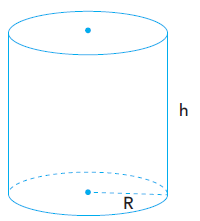
A planificação da superfície lateral desse cilindro é um retângulo de perímetro 40 cm. A altura h desse cilindro, em centímetros, é igual a:
Provas

O lucro L de uma empresa, com a venda de camisetas, é modelado pela expressão L(x) = 2500x + 10x2, sendo x a quantidade de lotes de 100 camisetas.
De acordo com esse modelo, o lucro obtido com 4000 camisetas, em reais, é igual a:
Provas
WHAT IS LIFE?
The magazine Philosophy Now asked two people, Tom Baranski and Courtney Walsh, to define what life is.
Tom Baranski from Somerset, New Jersey, believes that life is the aspect of existence that processes, acts, reacts, evaluates and evolves through growth (reproduction and metabolism). The crucial difference between life and non-life (or non-living things) is that life uses energy for physical and conscious development. Life is anything that grows and eventually dies, ceases to proliferate and be cognizant. Can we say that viruses, for example, are cognizant? Yes, insofar as they react to stimuli; but they are alive essentially because they reproduce and grow. Computers are non-living because even though they can cognize, they do not develop biologically (grow) and cannot produce offspring. It is not cognition that determines life: it is rather proliferation and maturation towards a state of death; and death occurs only to living substances.
Or is the question “What is the meaning (purpose) of life?” that is a real tough one? But Tom Baranski thinks that the meaning of life is the ideals we impose upon it, what we demand of it. The meaning of life is to: Do good, Be Good, but also to Receive Good. The foggy term in this advice, of course, is “good”; but he leaves that to the intuitive powers that we all share.
There are, of course, many intuitively clear examples of Doing Good. Most of us would avoid murdering; and most of us would refrain from other acts we find intuitively wrong. So our natural intuitions determine the meaning of life for us; and it seems for other species as well, for those intuitions resonate through much of life and give it its purpose.
On the other hand, Courtney Walsh from Farnborough, Hampshire, defines life as the eternal and unbroken flow of infinite rippling simultaneous events that by a fortuitous chain has led to this universe of elements we are all suspended in, that has somehow led to this present experience of sentient existence. Animal life (excluding that of humans) shows that life is a simple matter of being, by means of a modest routine of eating, sleeping and reproducing. Animals balance their days between these necessities, doing only what their bodies ask of them. The life of vegetation is not far from that of animals. They eat and sleep and reproduce in their own way, for the same result. So life is a beautiful and naturally harmonious borrowing of energy.
Yet we have taken it for granted. We have lost the power to simply be happy eating, sleeping, reproducing, believing we need a reason to be alive, a purpose and a goal to reach, so that on our deathbeds (something we have been made to fear) we can look back and tell ourselves we have done something with our lives. Life has lost its purpose because we have tried to give it one. The truth is that we are no more significant than the sand by the sea or the clouds in the sky. No more significant. But as significant.
No matter what your race, religion or gender, when you first step outside your door in the morning and feel the fresh air in your lungs and the morning sun on your face, you close your eyes and smile. In that moment you are feeling life as it should be.
Adaptado de philosophynow.org.
No more significant. But as significant.
The sentences above refer to a comparison between the two topics below:
Provas
WHAT IS LIFE?
The magazine Philosophy Now asked two people, Tom Baranski and Courtney Walsh, to define what life is.
Tom Baranski from Somerset, New Jersey, believes that life is the aspect of existence that processes, acts, reacts, evaluates and evolves through growth (reproduction and metabolism). The crucial difference between life and non-life (or non-living things) is that life uses energy for physical and conscious development. Life is anything that grows and eventually dies, ceases to proliferate and be cognizant. Can we say that viruses, for example, are cognizant? Yes, insofar as they react to stimuli; but they are alive essentially because they reproduce and grow. Computers are non-living because even though they can cognize, they do not develop biologically (grow) and cannot produce offspring. It is not cognition that determines life: it is rather proliferation and maturation towards a state of death; and death occurs only to living substances.
Or is the question “What is the meaning (purpose) of life?” that is a real tough one? But Tom Baranski thinks that the meaning of life is the ideals we impose upon it, what we demand of it. The meaning of life is to: Do good, Be Good, but also to Receive Good. The foggy term in this advice, of course, is “good”; but he leaves that to the intuitive powers that we all share.
There are, of course, many intuitively clear examples of Doing Good. Most of us would avoid murdering; and most of us would refrain from other acts we find intuitively wrong. So our natural intuitions determine the meaning of life for us; and it seems for other species as well, for those intuitions resonate through much of life and give it its purpose.
On the other hand, Courtney Walsh from Farnborough, Hampshire, defines life as the eternal and unbroken flow of infinite rippling simultaneous events that by a fortuitous chain has led to this universe of elements we are all suspended in, that has somehow led to this present experience of sentient existence. Animal life (excluding that of humans) shows that life is a simple matter of being, by means of a modest routine of eating, sleeping and reproducing. Animals balance their days between these necessities, doing only what their bodies ask of them. The life of vegetation is not far from that of animals. They eat and sleep and reproduce in their own way, for the same result. So life is a beautiful and naturally harmonious borrowing of energy.
Yet we have taken it for granted. We have lost the power to simply be happy eating, sleeping, reproducing, believing we need a reason to be alive, a purpose and a goal to reach, so that on our deathbeds (something we have been made to fear) we can look back and tell ourselves we have done something with our lives. Life has lost its purpose because we have tried to give it one. The truth is that we are no more significant than the sand by the sea or the clouds in the sky. No more significant. But as significant.
No matter what your race, religion or gender, when you first step outside your door in the morning and feel the fresh air in your lungs and the morning sun on your face, you close your eyes and smile. In that moment you are feeling life as it should be.
Adaptado de philosophynow.org.
The life of vegetation is not far from that of animals.
The sentence above, which establishes a relationship between vegetation and animals’ life, could be the answer to the following question:
Provas
WHAT IS LIFE?
The magazine Philosophy Now asked two people, Tom Baranski and Courtney Walsh, to define what life is.
Tom Baranski from Somerset, New Jersey, believes that life is the aspect of existence that processes, acts, reacts, evaluates and evolves through growth (reproduction and metabolism). The crucial difference between life and non-life (or non-living things) is that life uses energy for physical and conscious development. Life is anything that grows and eventually dies, ceases to proliferate and be cognizant. Can we say that viruses, for example, are cognizant? Yes, insofar as they react to stimuli; but they are alive essentially because they reproduce and grow. Computers are non-living because even though they can cognize, they do not develop biologically (grow) and cannot produce offspring. It is not cognition that determines life: it is rather proliferation and maturation towards a state of death; and death occurs only to living substances.
Or is the question “What is the meaning (purpose) of life?” that is a real tough one? But Tom Baranski thinks that the meaning of life is the ideals we impose upon it, what we demand of it. The meaning of life is to: Do good, Be Good, but also to Receive Good. The foggy term in this advice, of course, is “good”; but he leaves that to the intuitive powers that we all share.
There are, of course, many intuitively clear examples of Doing Good. Most of us would avoid murdering; and most of us would refrain from other acts we find intuitively wrong. So our natural intuitions determine the meaning of life for us; and it seems for other species as well, for those intuitions resonate through much of life and give it its purpose.
On the other hand, Courtney Walsh from Farnborough, Hampshire, defines life as the eternal and unbroken flow of infinite rippling simultaneous events that by a fortuitous chain has led to this universe of elements we are all suspended in, that has somehow led to this present experience of sentient existence. Animal life (excluding that of humans) shows that life is a simple matter of being, by means of a modest routine of eating, sleeping and reproducing. Animals balance their days between these necessities, doing only what their bodies ask of them. The life of vegetation is not far from that of animals. They eat and sleep and reproduce in their own way, for the same result. So life is a beautiful and naturally harmonious borrowing of energy.
Yet we have taken it for granted. We have lost the power to simply be happy eating, sleeping, reproducing, believing we need a reason to be alive, a purpose and a goal to reach, so that on our deathbeds (something we have been made to fear) we can look back and tell ourselves we have done something with our lives. Life has lost its purpose because we have tried to give it one. The truth is that we are no more significant than the sand by the sea or the clouds in the sky. No more significant. But as significant.
No matter what your race, religion or gender, when you first step outside your door in the morning and feel the fresh air in your lungs and the morning sun on your face, you close your eyes and smile. In that moment you are feeling life as it should be.
Adaptado de philosophynow.org.
Most of us would avoid murdering;
The fragment above implies the same meaning of the following proposition:
Provas
WHAT IS LIFE?
The magazine Philosophy Now asked two people, Tom Baranski and Courtney Walsh, to define what life is.
Tom Baranski from Somerset, New Jersey, believes that life is the aspect of existence that processes, acts, reacts, evaluates and evolves through growth (reproduction and metabolism). The crucial difference between life and non-life (or non-living things) is that life uses energy for physical and conscious development. Life is anything that grows and eventually dies, ceases to proliferate and be cognizant. Can we say that viruses, for example, are cognizant? Yes, insofar as they react to stimuli; but they are alive essentially because they reproduce and grow. Computers are non-living because even though they can cognize, they do not develop biologically (grow) and cannot produce offspring. It is not cognition that determines life: it is rather proliferation and maturation towards a state of death; and death occurs only to living substances.
Or is the question “What is the meaning (purpose) of life?” that is a real tough one? But Tom Baranski thinks that the meaning of life is the ideals we impose upon it, what we demand of it. The meaning of life is to: Do good, Be Good, but also to Receive Good. The foggy term in this advice, of course, is “good”; but he leaves that to the intuitive powers that we all share.
There are, of course, many intuitively clear examples of Doing Good. Most of us would avoid murdering; and most of us would refrain from other acts we find intuitively wrong. So our natural intuitions determine the meaning of life for us; and it seems for other species as well, for those intuitions resonate through much of life and give it its purpose.
On the other hand, Courtney Walsh from Farnborough, Hampshire, defines life as the eternal and unbroken flow of infinite rippling simultaneous events that by a fortuitous chain has led to this universe of elements we are all suspended in, that has somehow led to this present experience of sentient existence. Animal life (excluding that of humans) shows that life is a simple matter of being, by means of a modest routine of eating, sleeping and reproducing. Animals balance their days between these necessities, doing only what their bodies ask of them. The life of vegetation is not far from that of animals. They eat and sleep and reproduce in their own way, for the same result. So life is a beautiful and naturally harmonious borrowing of energy.
Yet we have taken it for granted. We have lost the power to simply be happy eating, sleeping, reproducing, believing we need a reason to be alive, a purpose and a goal to reach, so that on our deathbeds (something we have been made to fear) we can look back and tell ourselves we have done something with our lives. Life has lost its purpose because we have tried to give it one. The truth is that we are no more significant than the sand by the sea or the clouds in the sky. No more significant. But as significant.
No matter what your race, religion or gender, when you first step outside your door in the morning and feel the fresh air in your lungs and the morning sun on your face, you close your eyes and smile. In that moment you are feeling life as it should be.
Adaptado de philosophynow.org.
The foggy term in this advice,
The underlined word may be substituted, without significant change in meaning, by the word below:
Provas
WHAT IS LIFE?
The magazine Philosophy Now asked two people, Tom Baranski and Courtney Walsh, to define what life is.
Tom Baranski from Somerset, New Jersey, believes that life is the aspect of existence that processes, acts, reacts, evaluates and evolves through growth (reproduction and metabolism). The crucial difference between life and non-life (or non-living things) is that life uses energy for physical and conscious development. Life is anything that grows and eventually dies, ceases to proliferate and be cognizant. Can we say that viruses, for example, are cognizant? Yes, insofar as they react to stimuli; but they are alive essentially because they reproduce and grow. Computers are non-living because even though they can cognize, they do not develop biologically (grow) and cannot produce offspring. It is not cognition that determines life: it is rather proliferation and maturation towards a state of death; and death occurs only to living substances.
Or is the question “What is the meaning (purpose) of life?” that is a real tough one? But Tom Baranski thinks that the meaning of life is the ideals we impose upon it, what we demand of it. The meaning of life is to: Do good, Be Good, but also to Receive Good. The foggy term in this advice, of course, is “good”; but he leaves that to the intuitive powers that we all share.
There are, of course, many intuitively clear examples of Doing Good. Most of us would avoid murdering; and most of us would refrain from other acts we find intuitively wrong. So our natural intuitions determine the meaning of life for us; and it seems for other species as well, for those intuitions resonate through much of life and give it its purpose.
On the other hand, Courtney Walsh from Farnborough, Hampshire, defines life as the eternal and unbroken flow of infinite rippling simultaneous events that by a fortuitous chain has led to this universe of elements we are all suspended in, that has somehow led to this present experience of sentient existence. Animal life (excluding that of humans) shows that life is a simple matter of being, by means of a modest routine of eating, sleeping and reproducing. Animals balance their days between these necessities, doing only what their bodies ask of them. The life of vegetation is not far from that of animals. They eat and sleep and reproduce in their own way, for the same result. So life is a beautiful and naturally harmonious borrowing of energy.
Yet we have taken it for granted. We have lost the power to simply be happy eating, sleeping, reproducing, believing we need a reason to be alive, a purpose and a goal to reach, so that on our deathbeds (something we have been made to fear) we can look back and tell ourselves we have done something with our lives. Life has lost its purpose because we have tried to give it one. The truth is that we are no more significant than the sand by the sea or the clouds in the sky. No more significant. But as significant.
No matter what your race, religion or gender, when you first step outside your door in the morning and feel the fresh air in your lungs and the morning sun on your face, you close your eyes and smile. In that moment you are feeling life as it should be.
Adaptado de philosophynow.org.
Tom Baranski and Courtney Walsh define life in different ways, but both of them agree upon the idea expressed in the following sentence:
Provas
QU’EST-CE QUE LA VIE ?
Nous allons découvrir qu’une bonne définition de la vie fait autant référence à la théorie de l’information qu’aux lois fondamentales de la biologie.
On peut dire que la vie se manifeste lorsque le sujet transforme de l’énergie, métabolise et excrète. Or une usine, une automobile ou un ordinateur effectuent ces opérations mais nous ne les considérons pas comme des êtres vivants. On peut ajouter que le sujet doit se situer loin de l’équilibre. La manifestation d’un éclair ou une réaction chimique auto-entretenue est bel et bien une réaction se déroulant en dehors de l’équilibre thermodynamique, mais elle n’est toujours pas un être vivant. Alors, qu’est-ce que la vie?
Il existe une définition biologique de la vie: un organisme est dit vivant lorsqu’il échange de la matière et de l’énergie avec son environnement en conservant son autonomie, lorsqu’il se reproduit et évolue par sélection naturelle. Mais cette définition est encore insuffisante. Entre une pierre inerte et un organisme, un cristal en phase de croissance paraît vivant: il grandit et est capable de choisir des éléments de sa nature afin de ne pas créer d’impuretés, pourtant ce n’est qu’un minéral, il n’est pas vivant. A l’inverse, une mule est bien vivante, mais incapable d’avoir une descendance.
Une entreprise transforme de l’énergie mais ce n’est pas un organisme vivant. Un virus informatique peut se multiplier en contaminant des programmes comme son équivalent biologique infecte une cellule, mais mérite-t-il pour autant le qualificatif d’organisme? Grâce à l’informatique, les chercheurs disposent d’un outil puissant capable de simuler les fonctions du vivant et ils incorporent dans leurs programmes tant de paramètres qu’ils peuvent reproduire des organismes virtuels: des colonies de fourmis, l’évolution d’un oeuf d’escargot ou la croissance des plantes.
Un robot est une machine programmée, il ne fonctionne pas au hasard et sa mécanique s’use. Il n’est pas vivant. Si le robot musicien de l’exposition de Tsukuba (Japon, 1989) ou la créature de Mary Shelley “Frankenstein” semblent tout aussi vivants que vous et moi, il manque à ces créatures humanoïdes fantasques une combinaison subtile qui gouverne tous les processus du vivant: le hasard.
Tous les organismes vivent selon un “ordre aléatoire” qui assure leur stabilité, tout en leur permettant de réagir à l’environnement. C’est la faculté d’adaptation, l’apprentissage. Sans ordre, le monde plongerait dans l’anarchie; sans hasard – et nous verrons en cosmologie qu’il n’est pas “innocent” – il n’y aurait pas d’évolution. Tous les programmes informatiques, même s’ils paraissent capables de réagir à des situations imprévues ou de prendre des décisions, sont créés en fonction d’un but précis. Au Moyen-Âge on affirmait que la finalité de l’homme était de s’approcher de l’image de Dieu, pourtant un organisme vivant n’est pas une machine. La vie, à son tour, évolue dans le temps et met en jeu une infinité de paramètres, ce qui la rend apparemment imprévisible.
THIERRY LOMBRY
Adaptado de futura-sciences.com.
À la fin du texte, le rapport établi entre l'homme et la machine est basé sur différents paramètres. Parmi ces paramètres, celui qui concerne exclusivement la machine est le suivant:
Provas
QU’EST-CE QUE LA VIE ?
Nous allons découvrir qu’une bonne définition de la vie fait autant référence à la théorie de l’information qu’aux lois fondamentales de la biologie.
On peut dire que la vie se manifeste lorsque le sujet transforme de l’énergie, métabolise et excrète. Or une usine, une automobile ou un ordinateur effectuent ces opérations mais nous ne les considérons pas comme des êtres vivants. On peut ajouter que le sujet doit se situer loin de l’équilibre. La manifestation d’un éclair ou une réaction chimique auto-entretenue est bel et bien une réaction se déroulant en dehors de l’équilibre thermodynamique, mais elle n’est toujours pas un être vivant. Alors, qu’est-ce que la vie?
Il existe une définition biologique de la vie: un organisme est dit vivant lorsqu’il échange de la matière et de l’énergie avec son environnement en conservant son autonomie, lorsqu’il se reproduit et évolue par sélection naturelle. Mais cette définition est encore insuffisante. Entre une pierre inerte et un organisme, un cristal en phase de croissance paraît vivant: il grandit et est capable de choisir des éléments de sa nature afin de ne pas créer d’impuretés, pourtant ce n’est qu’un minéral, il n’est pas vivant. A l’inverse, une mule est bien vivante, mais incapable d’avoir une descendance.
Une entreprise transforme de l’énergie mais ce n’est pas un organisme vivant. Un virus informatique peut se multiplier en contaminant des programmes comme son équivalent biologique infecte une cellule, mais mérite-t-il pour autant le qualificatif d’organisme? Grâce à l’informatique, les chercheurs disposent d’un outil puissant capable de simuler les fonctions du vivant et ils incorporent dans leurs programmes tant de paramètres qu’ils peuvent reproduire des organismes virtuels: des colonies de fourmis, l’évolution d’un oeuf d’escargot ou la croissance des plantes.
Un robot est une machine programmée, il ne fonctionne pas au hasard et sa mécanique s’use. Il n’est pas vivant. Si le robot musicien de l’exposition de Tsukuba (Japon, 1989) ou la créature de Mary Shelley “Frankenstein” semblent tout aussi vivants que vous et moi, il manque à ces créatures humanoïdes fantasques une combinaison subtile qui gouverne tous les processus du vivant: le hasard.
Tous les organismes vivent selon un “ordre aléatoire” qui assure leur stabilité, tout en leur permettant de réagir à l’environnement. C’est la faculté d’adaptation, l’apprentissage. Sans ordre, le monde plongerait dans l’anarchie; sans hasard – et nous verrons en cosmologie qu’il n’est pas “innocent” – il n’y aurait pas d’évolution. Tous les programmes informatiques, même s’ils paraissent capables de réagir à des situations imprévues ou de prendre des décisions, sont créés en fonction d’un but précis. Au Moyen-Âge on affirmait que la finalité de l’homme était de s’approcher de l’image de Dieu, pourtant un organisme vivant n’est pas une machine. La vie, à son tour, évolue dans le temps et met en jeu une infinité de paramètres, ce qui la rend apparemment imprévisible.
THIERRY LOMBRY
Adaptado de futura-sciences.com.
L’auteur affirme que les circonstances qui déterminent l’évolution des êtres vivants se caractérisent par être:
Provas
QU’EST-CE QUE LA VIE ?
Nous allons découvrir qu’une bonne définition de la vie fait autant référence à la théorie de l’information qu’aux lois fondamentales de la biologie.
On peut dire que la vie se manifeste lorsque le sujet transforme de l’énergie, métabolise et excrète. Or une usine, une automobile ou un ordinateur effectuent ces opérations mais nous ne les considérons pas comme des êtres vivants. On peut ajouter que le sujet doit se situer loin de l’équilibre. La manifestation d’un éclair ou une réaction chimique auto-entretenue est bel et bien une réaction se déroulant en dehors de l’équilibre thermodynamique, mais elle n’est toujours pas un être vivant. Alors, qu’est-ce que la vie?
Il existe une définition biologique de la vie: un organisme est dit vivant lorsqu’il échange de la matière et de l’énergie avec son environnement en conservant son autonomie, lorsqu’il se reproduit et évolue par sélection naturelle. Mais cette définition est encore insuffisante. Entre une pierre inerte et un organisme, un cristal en phase de croissance paraît vivant: il grandit et est capable de choisir des éléments de sa nature afin de ne pas créer d’impuretés, pourtant ce n’est qu’un minéral, il n’est pas vivant. A l’inverse, une mule est bien vivante, mais incapable d’avoir une descendance.
Une entreprise transforme de l’énergie mais ce n’est pas un organisme vivant. Un virus informatique peut se multiplier en contaminant des programmes comme son équivalent biologique infecte une cellule, mais mérite-t-il pour autant le qualificatif d’organisme? Grâce à l’informatique, les chercheurs disposent d’un outil puissant capable de simuler les fonctions du vivant et ils incorporent dans leurs programmes tant de paramètres qu’ils peuvent reproduire des organismes virtuels: des colonies de fourmis, l’évolution d’un oeuf d’escargot ou la croissance des plantes.
Un robot est une machine programmée, il ne fonctionne pas au hasard et sa mécanique s’use. Il n’est pas vivant. Si le robot musicien de l’exposition de Tsukuba (Japon, 1989) ou la créature de Mary Shelley “Frankenstein” semblent tout aussi vivants que vous et moi, il manque à ces créatures humanoïdes fantasques une combinaison subtile qui gouverne tous les processus du vivant: le hasard.
Tous les organismes vivent selon un “ordre aléatoire” qui assure leur stabilité, tout en leur permettant de réagir à l’environnement. C’est la faculté d’adaptation, l’apprentissage. Sans ordre, le monde plongerait dans l’anarchie; sans hasard – et nous verrons en cosmologie qu’il n’est pas “innocent” – il n’y aurait pas d’évolution. Tous les programmes informatiques, même s’ils paraissent capables de réagir à des situations imprévues ou de prendre des décisions, sont créés en fonction d’un but précis. Au Moyen-Âge on affirmait que la finalité de l’homme était de s’approcher de l’image de Dieu, pourtant un organisme vivant n’est pas une machine. La vie, à son tour, évolue dans le temps et met en jeu une infinité de paramètres, ce qui la rend apparemment imprévisible.
THIERRY LOMBRY
Adaptado de futura-sciences.com.
Selon le texte, parmi les opérations qui définissent biologiquement un être vivant, celle qui manque à une mule c’est:
Provas
Caderno Container