Foram encontradas 275 questões.
Texto
“Alzheimer: um em cada três casos poderia ser
evitado”
Um em cada três casos de Alzheimer no
mundo poderia ser evitado, de acordo com uma
pesquisa da Universidade de Cambridge, no Reino
Unido. Entre os principais fatores de risco para a
5 doença estão falta de exercício, fumo, hipertensão
e depressão, diz o novo estudo publicado na revista
“Lancet Neurology”.
A equipe analisou dados de base
populacional para trabalhar os principais sete
10 fatores de risco para o Alzheimer – diabetes,
hipertensão na meia idade, obesidade na meia
idade, falta de atividade física, depressão e baixa
escolaridade – e descobriu que um terço dos casos
está relacionado ao estilo de vida, que poderia ser
15 modificado.
A redução de cada fator de risco em 10%
poderia evitar cerca de nove milhões de casos até
2050. Estimativas sugerem que mais de 106
milhões de pessoas no mundo estariam vivendo
20 com Alzheimer até aquele ano – número mais de
três vezes maior que o registrado em 2010.
Embora não haja uma única maneira de
tratar a demência, podemos seguir alguns passos
para reduzir o risco de seu desenvolvimento na
25 idade avançada – disse à BBC a professora Carol
Brayne, do Instituto de Saúde Pública da
Universidade de Cambridge.
(...)
- Já sabemos quais são os fatores e que
eles estão relacionados. Só a atividade física, por
exemplo, reduziria os níveis de obesidade,
hipertensão e diabetes, podendo evitar o
desenvolvimento da doença em algumas pessoas –
diz Carol.
Dos sete fatores de risco, a maior
35 proporção de casos de Alzheimer nos EUA, Reino
Unido e no resto da Europa pode ser atribuída à
inatividade física, que também está relacionada a
outros problemas de saúde, como câncer e
doenças cardiovasculares. Segundo a pesquisa, um
40 terço da população adulta desses países não faz
exercícios.
(Texto adaptado de O GLOBO – Ciência – 15/07/2014, página
24)
O texto apresenta uma estrutura eminentemente:
Provas

A Política de Humanização proposta pelo Ministério da Saúde entende humanização como:
Provas
São prioridades pactuadas no Pacto pela Vida de 2006:
Provas
A Participação Social no SUS é um princípio doutrinário que está assegurado na Constituição e nas Leis Orgânicas da Saúde (8.080/90 e 8.142/90). Esse princípio é parte fundamental do Pacto pela Saúde. As opções a seguir apresentam ações que devem ser desenvolvidas para fortalecer o processo de participação social, dentro do Pacto de Gestão, EXCETO:
Provas
A Lei nº 8080 de 19/09/1990 dispõe sobre:
Provas
Considerando o Pacto pela Saúde de 2006, o Pacto em Defesa do SUS deve-se firmar através de iniciativas que busquem:
Provas
A Constituição Federal assinala, no Capítulo II, dos Direitos Sociais, artigo 6º, que a saúde é um direito. De acordo com a Lei nº 8080, de 19 de setembro de 1990, a saúde é um direito fundamental do ser humano, devendo o Estado prover as condições:
Provas
Texto
The Stem Cell Debate: Is it
Over?
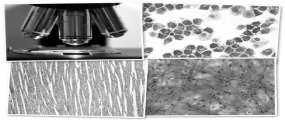
Stem cell therapies are not new. Doctors have been
performing bone marrow stem cell transplants for
decades. But when scientists learned how to
remove stem cells from human embryos in 1998,
both excitement and controversy emerged.
The excitement was due to the great potential these
cells have in curing human disease. The
controversy centered on the moral implications of
destroying human embryos. Political leaders began
to debate on how to regulate and finance research
involving human embryonic stem (hES) cells.
The Ethical Issues
Until recently, the only way to get pluripotent stem
cells for research was to remove the inner cell mass
of an embryo and put it in a dish. The possibility of
destroying a human embryo can bedisturbin g, even
if it is only five days old. Stem cell research thus
raised difficult questions:
- Does life begin at fertilization, in the womb,
or at birth?
- Is a human embryo equivalent to a human
child?
- Does a human embryo have any rights?
- Might the destruction of a single embryo be
justified if it provides a cure for a countless
number of patients?
Problem Solved?
Newer discoveries may bring this debate to an end.
In 2006 scientists learned how to stimulate a
patient's own cells to behave like embryonic stem
cells. These cells are reducing the need for human
embryos in research and opening up exciting new
possibilities for stem cell therapies.
Both human embryonic stem (hES) cells and
induced pluripotent stem (iPS) cells are pluripotent:
they can become any type of cell in the body. While
hES cells are isolated from an embryo, iPS cells can
be made from adult cells.
With alternatives to hES cells now available, the
debate over stem cell research is becoming
increasingly irrelevant. But ethical questions
regarding hES cells may not entirely go away.
Some experts believe it's wise to continue the study
of all stem cell types, since we're not sure yet which
one will be the most useful for cell replacement
therapies.
An additional ethical consideration is that iPS cells
have the potential to develop into a human embryo,
in effect producing a clone of the donor. Many
nations are already prepared for this, having
legislation in place that bans human cloning.
Adapted from
<http://learn.genetics.utah.edu/content/stemcells/scissues.
Accessed Jan. 3, 2017.
Glossary:
Stem cell: Célula-tronco; bone marrow: medula; due
to: devido a; put it in a dish: colocar em um
recipiente de laboratório para pesquisa; thus: logo;
disturbing: perturbadora.
Read the text above and answer the following
questions:
In the last paragraph, this, in “Many nations are already prepared for this”, refers to:
Provas
Texto
The Stem Cell Debate: Is it
Over?
Stem cell therapies are not new. Doctors have been
performing bone marrow stem cell transplants for
decades. But when scientists learned how to
remove stem cells from human embryos in 1998,
both excitement and controversy emerged.
The excitement was due to the great potential these
cells have in curing human disease. The
controversy centered on the moral implications of
destroying human embryos. Political leaders began
to debate on how to regulate and finance research
involving human embryonic stem (hES) cells.
The Ethical Issues
Until recently, the only way to get pluripotent stem
cells for research was to remove the inner cell mass
of an embryo and put it in a dish. The possibility of
destroying a human embryo can bedisturbin g, even
if it is only five days old. Stem cell research thus
raised difficult questions:
- Does life begin at fertilization, in the womb,
or at birth?
- Is a human embryo equivalent to a human
child?
- Does a human embryo have any rights?
- Might the destruction of a single embryo be
justified if it provides a cure for a countless
number of patients?
Problem Solved?
Newer discoveries may bring this debate to an end.
In 2006 scientists learned how to stimulate a
patient's own cells to behave like embryonic stem
cells. These cells are reducing the need for human
embryos in research and opening up exciting new
possibilities for stem cell therapies.
Both human embryonic stem (hES) cells and
induced pluripotent stem (iPS) cells are pluripotent:
they can become any type of cell in the body. While
hES cells are isolated from an embryo, iPS cells can
be made from adult cells.
With alternatives to hES cells now available, the
debate over stem cell research is becoming
increasingly irrelevant. But ethical questions
regarding hES cells may not entirely go away.
Some experts believe it's wise to continue the study
of all stem cell types, since we're not sure yet which
one will be the most useful for cell replacement
therapies.
An additional ethical consideration is that iPS cells
have the potential to develop into a human embryo,
in effect producing a clone of the donor. Many
nations are already prepared for this, having
legislation in place that bans human cloning.
Adapted from
<http://learn.genetics.utah.edu/content/stemcells/scissues.
Accessed Jan. 3, 2017.
Glossary:
Stem cell: Célula-tronco; bone marrow: medula; due
to: devido a; put it in a dish: colocar em um
recipiente de laboratório para pesquisa; thus: logo;
disturbing: perturbadora.
Read the text above and answer the following
questions:
Concerning the future of the debate on stem cell research and therapy, the author believes that “ethical questions regarding hES cells may not entirely go away” (paragraph 7). This means that, according to the author,
Provas
Texto
The Stem Cell Debate: Is it
Over?
Stem cell therapies are not new. Doctors have been
performing bone marrow stem cell transplants for
decades. But when scientists learned how to
remove stem cells from human embryos in 1998,
both excitement and controversy emerged.
The excitement was due to the great potential these
cells have in curing human disease. The
controversy centered on the moral implications of
destroying human embryos. Political leaders began
to debate on how to regulate and finance research
involving human embryonic stem (hES) cells.
The Ethical Issues
Until recently, the only way to get pluripotent stem
cells for research was to remove the inner cell mass
of an embryo and put it in a dish. The possibility of
destroying a human embryo can bedisturbin g, even
if it is only five days old. Stem cell research thus
raised difficult questions:
- Does life begin at fertilization, in the womb,
or at birth?
- Is a human embryo equivalent to a human
child?
- Does a human embryo have any rights?
- Might the destruction of a single embryo be
justified if it provides a cure for a countless
number of patients?
Problem Solved?
Newer discoveries may bring this debate to an end.
In 2006 scientists learned how to stimulate a
patient's own cells to behave like embryonic stem
cells. These cells are reducing the need for human
embryos in research and opening up exciting new
possibilities for stem cell therapies.
Both human embryonic stem (hES) cells and
induced pluripotent stem (iPS) cells are pluripotent:
they can become any type of cell in the body. While
hES cells are isolated from an embryo, iPS cells can
be made from adult cells.
With alternatives to hES cells now available, the
debate over stem cell research is becoming
increasingly irrelevant. But ethical questions
regarding hES cells may not entirely go away.
Some experts believe it's wise to continue the study
of all stem cell types, since we're not sure yet which
one will be the most useful for cell replacement
therapies.
An additional ethical consideration is that iPS cells
have the potential to develop into a human embryo,
in effect producing a clone of the donor. Many
nations are already prepared for this, having
legislation in place that bans human cloning.
Adapted from
<http://learn.genetics.utah.edu/content/stemcells/scissues.
Accessed Jan. 3, 2017.
Glossary:
Stem cell: Célula-tronco; bone marrow: medula; due
to: devido a; put it in a dish: colocar em um
recipiente de laboratório para pesquisa; thus: logo;
disturbing: perturbadora.
Read the text above and answer the following
questions:
The four questions listed in the text, following the third paragraph, refer to:
Provas
Caderno Container