Foram encontradas 60 questões.
Disciplina: Literatura Brasileira e Estrangeira
Banca: IBGP
Orgão: Univaço
O ciclista
Dalton Trevisan
Curvado no guidão lá vai ele numa chispa. Na esquina dá com o sinal vermelho e não se perturba – levanta voo bem na cara do guarda crucificado. No labirinto urbano persegue a morte com o trim-trim da campainha: entrega sem derreter sorvete a domicílio.
É sua lâmpada de Aladino a bicicleta e, ao sentar-se no selim, liberta o gênio acorrentado ao pedal. Indefeso homem, frágil máquina, arremete impávido colosso, desvia de fininho o poste e o caminhão; o ciclista por muito favor derrubou o boné.
Atropela gentilmente e, vespa furiosa que morde, ei-lo defunto ao perder o ferrão. Guerreiros inimigos trituram com chio de pneus o seu diáfano esqueleto. Se não se estrebucha ali mesmo, bate o pó da roupa e – uma perna mais curta – foge por entre nuvens, a bicicleta no ombro.
Opõe o peito magro ao para-choque do ônibus. Salta a poça d'água no asfalto. Num só corpo, touro e toureiro, golpeia ferido o ar nos cornos do guidão.
Ao fim do dia, José guarda no canto da casa o pássaro de viagem. Enfrenta o sono trim-trim a pé e, na primeira esquina, avança pelo céu na contramão, trim-trim.
(TREVISAN, D. O ciclista. In: BOSI, A. (org). O conto brasileiro contemporâneo. 14 ed. São Paulo: Cultrix, 1997. p. 189.)
Em relação aos elementos constitutivos do conto, NÃO está correto afirmar que:
Provas

Disciplina: Literatura Brasileira e Estrangeira
Banca: IBGP
Orgão: Univaço
O texto abaixo reproduz algumas estrofes do poema “Um cadáver de poeta”, do romântico Álvares de Azevedo.
De tanta inspiração e tanta vida
Que os nervos convulsivos inflamava
E ardia sem conforto...
O que resta? uma sombra esvaecida,
Um triste que sem mãe agonizava...
Resta um poeta morto!
Morrer! e resvalar na sepultura,
Frias na fronte as ilusões – no peito
Quebrado o coração!
Nem saudades levar da vida impura
Onde arquejou de fome... sem um leito!
Em treva e solidão!
Tu foste como o sol; tu parecias
Ter na aurora da vida a eternidade
Na larga fronte escrita...
Porém não voltarás como surgias!
Apagou-se teu sol da mocidade
Numa treva maldita!
Tua estrela mentiu. E do fadário
De tua vida a página primeira
Na tumba se rasgou...
Pobre gênio de Deus, nem um sudário!
Nem túmulo nem cruz! como a caveira
Que um lobo devorou!...
[...]
(AZEVEDO, A. Lira dos vintes anos e outros poemas. São Paulo: Companhia Editora
Nacional, 2006. p.109)
Sobre esse poema, analise as afirmativas a seguir.
I. A obsessão com a morte, presente no trecho, é uma das formas do escapismo romântico.
II. A emoção excessiva, explicitada pelo uso recorrente dos pontos de exclamação, revela um desejo de fuga da realidade, da problemática existencial.
III. O egocentrismo romântico, ligado ao tema da morte, produz um tom de lamentação em relação à finitude do poeta.
IV. A subjetividade, característica da escola romântica, é expressa pela forte presença da marcas de 1ª pessoa do “eu lírico”.
Estão CORRETAS as afirmativas.
Provas
Vaccines May Protect Kids Against Strokes, Too
by Christopher Wanjek | September 30, 2015 05:16pm ET
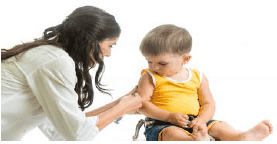
Credit: Oksana Kuzmina/Shutterstock.com
Parents have yet one more reason to vaccinate their children: Routine immunizations may reduce the risk of childhood stroke, according to a new study.
Childhood strokes are rare, estimated to affect between three and 13 children per 100,000. Yet unlike adult strokes, in which environmental factors such as smoking and poor nutrition play a major role, susceptibility to childhood strokes is largely genetic. And parents often don't know if their child is at risk.
The new study, led by Dr. Heather Fullerton of University of California, San Francisco, confirmed previous findings that minor infections may trigger acute ischemic strokes in children who are at risk. Ischemic strokes involve a blockage in a blood vessel in or near the brain.
The researchers compared 355 children who had had ischemic strokes with 354 children who had not. The scientists found that children with an infection had six times the risk of experiencing a stroke within that week; 18 percent of children who experienced strokes had such an infection, according to the findings, published today (Sept. 30) in the journal Neurology.
Fullerton and her colleagues also found that children who were up to date on their immunizations had a far lower risk of experiencing a stroke. Under-vaccinated children (those who were not up to date on their vaccinations) were up to seven times more likely to have a stroke compared with children who had all or most of their immunizations.
The reason for the apparent link between vaccinations and stroke is not clear, Fullerton told Live Science. Vaccines clearly prevent major infections, such as those caused by chickenpox, measles and tetanus. It could be that vaccines reduce a child's overall lifetime infection burden, and prevent the subsequent damage that infections and inflammation have on blood vessels, she said.
Fullerton added that parents who keep their children up to date on immunization may be more proactive about their child's health care in general, compared with parents who don't vaccinate. So this might also explain the link seen with vaccines, she said.
The study has ruled out two "lingering doubts" that some have had about infections and strokes, Fullerton said. One was the worry that vaccines themselves could trigger a stroke, which is biologically plausible given that vaccines are a form of controlled infection. But the study found the opposite, offering more evidence that "all kids should get vaccinated," Fullerton said.
Another worry was that a seeming link between infections and strokes was actually due to cold medications such as vasoconstrictors. These medicines reduce swelling and congestion by constricting blood vessels, and it was thought that perhaps the drugs could trigger strokes. However, Fullerton said, the study found no evidence to support this.
The findings will be "seminal in drafting further stroke-prevention strategies" in children, wrote Dr. Jose Biller of Loyola University Medical Center in Chicago and Dr. Geoffrey Heyer of The Ohio State University in Columbus, Ohio, in an accompanying editorial in Neurology. Biller and Heyer were not associated with the study.
"Oftentimes parents and even physicians may not be aware — [it's] not on their radar screen — that strokes may affect neonates, toddlers and children," Biller told Live Science. "Education is key," he said. Many children who have strokes often suffer from the health effects of the stroke for their whole lives, and so preventing strokes is very important.
Fullerton said that more than half of childhood acute ischemic strokes happen to children who are seemingly healthy, so the stroke comes as a surprise. Conditions that increase stroke risk in children include congenital heart disease, sickle cell disease and lupus, she said. There is no reason why children with these conditions should avoid vaccination, she said.
The research effort was part of a large, international case-control study of childhood stroke, called the Vascular Effects of Infection in Pediatric Stroke (VIPS) study. The study authors represent more than a dozen universities and institutions worldwide. Fullerton said the research offers an "avenue for understanding what's going on" with childhood strokes.
Many questions remain, such as why infections can trigger a stroke in seemingly healthy children, but there is at least one take-home message from this research, Fullerton said: "This is another example of a pretty morbid disease that vaccines can help prevent."
Biller said that vaccines appear to offer a lifetime of cardiovascular benefits. A study published in 2013 in the Journal of the American Medical Association found that for adults who get the flu shot, the odds of having a stroke, heart attack or other major cardiac event are lowered by about a third lower over the following year. Biller said that some studies have shown that getting the flu shot yearly provides even greater protection.
"Vaccines are among the safest medical products," Biller said. "The safety and effectiveness of vaccines routinely given to children and adults has been overwhelmingly favorable."
Follow Christopher Wanjek @wanjek for daily tweets on health and science with a humorous edge. Wanjek is the author of "Food at Work" and "Bad Medicine." His column, "Bad Medicine," appears regularly on Live Science.
From http://www.livescience.com/52348-vaccines-may-protect-kids-against-strokes-too.html, Acesso em: 06/10/2015.
The fact that minor infections may trigger acute ischemic strokes in children who are at risk is, according to the text.
Provas
Vaccines May Protect Kids Against Strokes, Too
by Christopher Wanjek | September 30, 2015 05:16pm ET
Credit: Oksana Kuzmina/Shutterstock.com
Parents have yet one more reason to vaccinate their children: Routine immunizations may reduce the risk of childhood stroke, according to a new study.
Childhood strokes are rare, estimated to affect between three and 13 children per 100,000. Yet unlike adult strokes, in which environmental factors such as smoking and poor nutrition play a major role, susceptibility to childhood strokes is largely genetic. And parents often don't know if their child is at risk.
The new study, led by Dr. Heather Fullerton of University of California, San Francisco, confirmed previous findings that minor infections may trigger acute ischemic strokes in children who are at risk. Ischemic strokes involve a blockage in a blood vessel in or near the brain.
The researchers compared 355 children who had had ischemic strokes with 354 children who had not. The scientists found that children with an infection had six times the risk of experiencing a stroke within that week; 18 percent of children who experienced strokes had such an infection, according to the findings, published today (Sept. 30) in the journal Neurology.
Fullerton and her colleagues also found that children who were up to date on their immunizations had a far lower risk of experiencing a stroke. Under-vaccinated children (those who were not up to date on their vaccinations) were up to seven times more likely to have a stroke compared with children who had all or most of their immunizations.
The reason for the apparent link between vaccinations and stroke is not clear, Fullerton told Live Science. Vaccines clearly prevent major infections, such as those caused by chickenpox, measles and tetanus. It could be that vaccines reduce a child's overall lifetime infection burden, and prevent the subsequent damage that infections and inflammation have on blood vessels, she said.
Fullerton added that parents who keep their children up to date on immunization may be more proactive about their child's health care in general, compared with parents who don't vaccinate. So this might also explain the link seen with vaccines, she said.
The study has ruled out two "lingering doubts" that some have had about infections and strokes, Fullerton said. One was the worry that vaccines themselves could trigger a stroke, which is biologically plausible given that vaccines are a form of controlled infection. But the study found the opposite, offering more evidence that "all kids should get vaccinated," Fullerton said.
Another worry was that a seeming link between infections and strokes was actually due to cold medications such as vasoconstrictors. These medicines reduce swelling and congestion by constricting blood vessels, and it was thought that perhaps the drugs could trigger strokes. However, Fullerton said, the study found no evidence to support this.
The findings will be "seminal in drafting further stroke-prevention strategies" in children, wrote Dr. Jose Biller of Loyola University Medical Center in Chicago and Dr. Geoffrey Heyer of The Ohio State University in Columbus, Ohio, in an accompanying editorial in Neurology. Biller and Heyer were not associated with the study.
"Oftentimes parents and even physicians may not be aware — [it's] not on their radar screen — that strokes may affect neonates, toddlers and children," Biller told Live Science. "Education is key," he said. Many children who have strokes often suffer from the health effects of the stroke for their whole lives, and so preventing strokes is very important.
Fullerton said that more than half of childhood acute ischemic strokes happen to children who are seemingly healthy, so the stroke comes as a surprise. Conditions that increase stroke risk in children include congenital heart disease, sickle cell disease and lupus, she said. There is no reason why children with these conditions should avoid vaccination, she said.
The research effort was part of a large, international case-control study of childhood stroke, called the Vascular Effects of Infection in Pediatric Stroke (VIPS) study. The study authors represent more than a dozen universities and institutions worldwide. Fullerton said the research offers an "avenue for understanding what's going on" with childhood strokes.
Many questions remain, such as why infections can trigger a stroke in seemingly healthy children, but there is at least one take-home message from this research, Fullerton said: "This is another example of a pretty morbid disease that vaccines can help prevent."
Biller said that vaccines appear to offer a lifetime of cardiovascular benefits. A study published in 2013 in the Journal of the American Medical Association found that for adults who get the flu shot, the odds of having a stroke, heart attack or other major cardiac event are lowered by about a third lower over the following year. Biller said that some studies have shown that getting the flu shot yearly provides even greater protection.
"Vaccines are among the safest medical products," Biller said. "The safety and effectiveness of vaccines routinely given to children and adults has been overwhelmingly favorable."
Follow Christopher Wanjek @wanjek for daily tweets on health and science with a humorous edge. Wanjek is the author of "Food at Work" and "Bad Medicine." His column, "Bad Medicine," appears regularly on Live Science.
From http://www.livescience.com/52348-vaccines-may-protect-kids-against-strokes-too.html, Acesso em: 06/10/2015.
“Fullerton and her colleagues also found that children who were up to date on their immunizations had a far lower risk of experiencing a stroke.”
The pronoun THEIR in the sentence above refers to:
Provas
Vaccines May Protect Kids Against Strokes, Too
by Christopher Wanjek | September 30, 2015 05:16pm ET
Credit: Oksana Kuzmina/Shutterstock.com
Parents have yet one more reason to vaccinate their children: Routine immunizations may reduce the risk of childhood stroke, according to a new study.
Childhood strokes are rare, estimated to affect between three and 13 children per 100,000. Yet unlike adult strokes, in which environmental factors such as smoking and poor nutrition play a major role, susceptibility to childhood strokes is largely genetic. And parents often don't know if their child is at risk.
The new study, led by Dr. Heather Fullerton of University of California, San Francisco, confirmed previous findings that minor infections may trigger acute ischemic strokes in children who are at risk. Ischemic strokes involve a blockage in a blood vessel in or near the brain.
The researchers compared 355 children who had had ischemic strokes with 354 children who had not. The scientists found that children with an infection had six times the risk of experiencing a stroke within that week; 18 percent of children who experienced strokes had such an infection, according to the findings, published today (Sept. 30) in the journal Neurology.
Fullerton and her colleagues also found that children who were up to date on their immunizations had a far lower risk of experiencing a stroke. Under-vaccinated children (those who were not up to date on their vaccinations) were up to seven times more likely to have a stroke compared with children who had all or most of their immunizations.
The reason for the apparent link between vaccinations and stroke is not clear, Fullerton told Live Science. Vaccines clearly prevent major infections, such as those caused by chickenpox, measles and tetanus. It could be that vaccines reduce a child's overall lifetime infection burden, and prevent the subsequent damage that infections and inflammation have on blood vessels, she said.
Fullerton added that parents who keep their children up to date on immunization may be more proactive about their child's health care in general, compared with parents who don't vaccinate. So this might also explain the link seen with vaccines, she said.
The study has ruled out two "lingering doubts" that some have had about infections and strokes, Fullerton said. One was the worry that vaccines themselves could trigger a stroke, which is biologically plausible given that vaccines are a form of controlled infection. But the study found the opposite, offering more evidence that "all kids should get vaccinated," Fullerton said.
Another worry was that a seeming link between infections and strokes was actually due to cold medications such as vasoconstrictors. These medicines reduce swelling and congestion by constricting blood vessels, and it was thought that perhaps the drugs could trigger strokes. However, Fullerton said, the study found no evidence to support this.
The findings will be "seminal in drafting further stroke-prevention strategies" in children, wrote Dr. Jose Biller of Loyola University Medical Center in Chicago and Dr. Geoffrey Heyer of The Ohio State University in Columbus, Ohio, in an accompanying editorial in Neurology. Biller and Heyer were not associated with the study.
"Oftentimes parents and even physicians may not be aware — [it's] not on their radar screen — that strokes may affect neonates, toddlers and children," Biller told Live Science. "Education is key," he said. Many children who have strokes often suffer from the health effects of the stroke for their whole lives, and so preventing strokes is very important.
Fullerton said that more than half of childhood acute ischemic strokes happen to children who are seemingly healthy, so the stroke comes as a surprise. Conditions that increase stroke risk in children include congenital heart disease, sickle cell disease and lupus, she said. There is no reason why children with these conditions should avoid vaccination, she said.
The research effort was part of a large, international case-control study of childhood stroke, called the Vascular Effects of Infection in Pediatric Stroke (VIPS) study. The study authors represent more than a dozen universities and institutions worldwide. Fullerton said the research offers an "avenue for understanding what's going on" with childhood strokes.
Many questions remain, such as why infections can trigger a stroke in seemingly healthy children, but there is at least one take-home message from this research, Fullerton said: "This is another example of a pretty morbid disease that vaccines can help prevent."
Biller said that vaccines appear to offer a lifetime of cardiovascular benefits. A study published in 2013 in the Journal of the American Medical Association found that for adults who get the flu shot, the odds of having a stroke, heart attack or other major cardiac event are lowered by about a third lower over the following year. Biller said that some studies have shown that getting the flu shot yearly provides even greater protection.
"Vaccines are among the safest medical products," Biller said. "The safety and effectiveness of vaccines routinely given to children and adults has been overwhelmingly favorable."
Follow Christopher Wanjek @wanjek for daily tweets on health and science with a humorous edge. Wanjek is the author of "Food at Work" and "Bad Medicine." His column, "Bad Medicine," appears regularly on Live Science.
From http://www.livescience.com/52348-vaccines-may-protect-kids-against-strokes-too.html, Acesso em: 06/10/2015.
Flu shots, according to the text, can:
Provas
Vaccines May Protect Kids Against Strokes, Too
by Christopher Wanjek | September 30, 2015 05:16pm ET
Credit: Oksana Kuzmina/Shutterstock.com
Parents have yet one more reason to vaccinate their children: Routine immunizations may reduce the risk of childhood stroke, according to a new study.
Childhood strokes are rare, estimated to affect between three and 13 children per 100,000. Yet unlike adult strokes, in which environmental factors such as smoking and poor nutrition play a major role, susceptibility to childhood strokes is largely genetic. And parents often don't know if their child is at risk.
The new study, led by Dr. Heather Fullerton of University of California, San Francisco, confirmed previous findings that minor infections may trigger acute ischemic strokes in children who are at risk. Ischemic strokes involve a blockage in a blood vessel in or near the brain.
The researchers compared 355 children who had had ischemic strokes with 354 children who had not. The scientists found that children with an infection had six times the risk of experiencing a stroke within that week; 18 percent of children who experienced strokes had such an infection, according to the findings, published today (Sept. 30) in the journal Neurology.
Fullerton and her colleagues also found that children who were up to date on their immunizations had a far lower risk of experiencing a stroke. Under-vaccinated children (those who were not up to date on their vaccinations) were up to seven times more likely to have a stroke compared with children who had all or most of their immunizations.
The reason for the apparent link between vaccinations and stroke is not clear, Fullerton told Live Science. Vaccines clearly prevent major infections, such as those caused by chickenpox, measles and tetanus. It could be that vaccines reduce a child's overall lifetime infection burden, and prevent the subsequent damage that infections and inflammation have on blood vessels, she said.
Fullerton added that parents who keep their children up to date on immunization may be more proactive about their child's health care in general, compared with parents who don't vaccinate. So this might also explain the link seen with vaccines, she said.
The study has ruled out two "lingering doubts" that some have had about infections and strokes, Fullerton said. One was the worry that vaccines themselves could trigger a stroke, which is biologically plausible given that vaccines are a form of controlled infection. But the study found the opposite, offering more evidence that "all kids should get vaccinated," Fullerton said.
Another worry was that a seeming link between infections and strokes was actually due to cold medications such as vasoconstrictors. These medicines reduce swelling and congestion by constricting blood vessels, and it was thought that perhaps the drugs could trigger strokes. However, Fullerton said, the study found no evidence to support this.
The findings will be "seminal in drafting further stroke-prevention strategies" in children, wrote Dr. Jose Biller of Loyola University Medical Center in Chicago and Dr. Geoffrey Heyer of The Ohio State University in Columbus, Ohio, in an accompanying editorial in Neurology. Biller and Heyer were not associated with the study.
"Oftentimes parents and even physicians may not be aware — [it's] not on their radar screen — that strokes may affect neonates, toddlers and children," Biller told Live Science. "Education is key," he said. Many children who have strokes often suffer from the health effects of the stroke for their whole lives, and so preventing strokes is very important.
Fullerton said that more than half of childhood acute ischemic strokes happen to children who are seemingly healthy, so the stroke comes as a surprise. Conditions that increase stroke risk in children include congenital heart disease, sickle cell disease and lupus, she said. There is no reason why children with these conditions should avoid vaccination, she said.
The research effort was part of a large, international case-control study of childhood stroke, called the Vascular Effects of Infection in Pediatric Stroke (VIPS) study. The study authors represent more than a dozen universities and institutions worldwide. Fullerton said the research offers an "avenue for understanding what's going on" with childhood strokes.
Many questions remain, such as why infections can trigger a stroke in seemingly healthy children, but there is at least one take-home message from this research, Fullerton said: "This is another example of a pretty morbid disease that vaccines can help prevent."
Biller said that vaccines appear to offer a lifetime of cardiovascular benefits. A study published in 2013 in the Journal of the American Medical Association found that for adults who get the flu shot, the odds of having a stroke, heart attack or other major cardiac event are lowered by about a third lower over the following year. Biller said that some studies have shown that getting the flu shot yearly provides even greater protection.
"Vaccines are among the safest medical products," Biller said. "The safety and effectiveness of vaccines routinely given to children and adults has been overwhelmingly favorable."
Follow Christopher Wanjek @wanjek for daily tweets on health and science with a humorous edge. Wanjek is the author of "Food at Work" and "Bad Medicine." His column, "Bad Medicine," appears regularly on Live Science.
From http://www.livescience.com/52348-vaccines-may-protect-kids-against-strokes-too.html, Acesso em: 06/10/2015.
According to the general idea of the text, it is CORRECT to say that:
Provas
Vaccines May Protect Kids Against Strokes, Too
by Christopher Wanjek | September 30, 2015 05:16pm ET
Credit: Oksana Kuzmina/Shutterstock.com
Parents have yet one more reason to vaccinate their children: Routine immunizations may reduce the risk of childhood stroke, according to a new study.
Childhood strokes are rare, estimated to affect between three and 13 children per 100,000. Yet unlike adult strokes, in which environmental factors such as smoking and poor nutrition play a major role, susceptibility to childhood strokes is largely genetic. And parents often don't know if their child is at risk.
The new study, led by Dr. Heather Fullerton of University of California, San Francisco, confirmed previous findings that minor infections may trigger acute ischemic strokes in children who are at risk. Ischemic strokes involve a blockage in a blood vessel in or near the brain.
The researchers compared 355 children who had had ischemic strokes with 354 children who had not. The scientists found that children with an infection had six times the risk of experiencing a stroke within that week; 18 percent of children who experienced strokes had such an infection, according to the findings, published today (Sept. 30) in the journal Neurology.
Fullerton and her colleagues also found that children who were up to date on their immunizations had a far lower risk of experiencing a stroke. Under-vaccinated children (those who were not up to date on their vaccinations) were up to seven times more likely to have a stroke compared with children who had all or most of their immunizations.
The reason for the apparent link between vaccinations and stroke is not clear, Fullerton told Live Science. Vaccines clearly prevent major infections, such as those caused by chickenpox, measles and tetanus. It could be that vaccines reduce a child's overall lifetime infection burden, and prevent the subsequent damage that infections and inflammation have on blood vessels, she said.
Fullerton added that parents who keep their children up to date on immunization may be more proactive about their child's health care in general, compared with parents who don't vaccinate. So this might also explain the link seen with vaccines, she said.
The study has ruled out two "lingering doubts" that some have had about infections and strokes, Fullerton said. One was the worry that vaccines themselves could trigger a stroke, which is biologically plausible given that vaccines are a form of controlled infection. But the study found the opposite, offering more evidence that "all kids should get vaccinated," Fullerton said.
Another worry was that a seeming link between infections and strokes was actually due to cold medications such as vasoconstrictors. These medicines reduce swelling and congestion by constricting blood vessels, and it was thought that perhaps the drugs could trigger strokes. However, Fullerton said, the study found no evidence to support this.
The findings will be "seminal in drafting further stroke-prevention strategies" in children, wrote Dr. Jose Biller of Loyola University Medical Center in Chicago and Dr. Geoffrey Heyer of The Ohio State University in Columbus, Ohio, in an accompanying editorial in Neurology. Biller and Heyer were not associated with the study.
"Oftentimes parents and even physicians may not be aware — [it's] not on their radar screen — that strokes may affect neonates, toddlers and children," Biller told Live Science. "Education is key," he said. Many children who have strokes often suffer from the health effects of the stroke for their whole lives, and so preventing strokes is very important.
Fullerton said that more than half of childhood acute ischemic strokes happen to children who are seemingly healthy, so the stroke comes as a surprise. Conditions that increase stroke risk in children include congenital heart disease, sickle cell disease and lupus, she said. There is no reason why children with these conditions should avoid vaccination, she said.
The research effort was part of a large, international case-control study of childhood stroke, called the Vascular Effects of Infection in Pediatric Stroke (VIPS) study. The study authors represent more than a dozen universities and institutions worldwide. Fullerton said the research offers an "avenue for understanding what's going on" with childhood strokes.
Many questions remain, such as why infections can trigger a stroke in seemingly healthy children, but there is at least one take-home message from this research, Fullerton said: "This is another example of a pretty morbid disease that vaccines can help prevent."
Biller said that vaccines appear to offer a lifetime of cardiovascular benefits. A study published in 2013 in the Journal of the American Medical Association found that for adults who get the flu shot, the odds of having a stroke, heart attack or other major cardiac event are lowered by about a third lower over the following year. Biller said that some studies have shown that getting the flu shot yearly provides even greater protection.
"Vaccines are among the safest medical products," Biller said. "The safety and effectiveness of vaccines routinely given to children and adults has been overwhelmingly favorable."
Follow Christopher Wanjek @wanjek for daily tweets on health and science with a humorous edge. Wanjek is the author of "Food at Work" and "Bad Medicine." His column, "Bad Medicine," appears regularly on Live Science.
From http://www.livescience.com/52348-vaccines-may-protect-kids-against-strokes-too.html, Acesso em: 06/10/2015.
“Many questions remain, such as why infections can trigger a stroke in seemingly healthy children…”
The DIRECT QUESTION for the sentence above is:
Provas
Vaccines May Protect Kids Against Strokes, Too
by Christopher Wanjek | September 30, 2015 05:16pm ET
Credit: Oksana Kuzmina/Shutterstock.com
Parents have yet one more reason to vaccinate their children: Routine immunizations may reduce the risk of childhood stroke, according to a new study.
Childhood strokes are rare, estimated to affect between three and 13 children per 100,000. Yet unlike adult strokes, in which environmental factors such as smoking and poor nutrition play a major role, susceptibility to childhood strokes is largely genetic. And parents often don't know if their child is at risk.
The new study, led by Dr. Heather Fullerton of University of California, San Francisco, confirmed previous findings that minor infections may trigger acute ischemic strokes in children who are at risk. Ischemic strokes involve a blockage in a blood vessel in or near the brain.
The researchers compared 355 children who had had ischemic strokes with 354 children who had not. The scientists found that children with an infection had six times the risk of experiencing a stroke within that week; 18 percent of children who experienced strokes had such an infection, according to the findings, published today (Sept. 30) in the journal Neurology.
Fullerton and her colleagues also found that children who were up to date on their immunizations had a far lower risk of experiencing a stroke. Under-vaccinated children (those who were not up to date on their vaccinations) were up to seven times more likely to have a stroke compared with children who had all or most of their immunizations.
The reason for the apparent link between vaccinations and stroke is not clear, Fullerton told Live Science. Vaccines clearly prevent major infections, such as those caused by chickenpox, measles and tetanus. It could be that vaccines reduce a child's overall lifetime infection burden, and prevent the subsequent damage that infections and inflammation have on blood vessels, she said.
Fullerton added that parents who keep their children up to date on immunization may be more proactive about their child's health care in general, compared with parents who don't vaccinate. So this might also explain the link seen with vaccines, she said.
The study has ruled out two "lingering doubts" that some have had about infections and strokes, Fullerton said. One was the worry that vaccines themselves could trigger a stroke, which is biologically plausible given that vaccines are a form of controlled infection. But the study found the opposite, offering more evidence that "all kids should get vaccinated," Fullerton said.
Another worry was that a seeming link between infections and strokes was actually due to cold medications such as vasoconstrictors. These medicines reduce swelling and congestion by constricting blood vessels, and it was thought that perhaps the drugs could trigger strokes. However, Fullerton said, the study found no evidence to support this.
The findings will be "seminal in drafting further stroke-prevention strategies" in children, wrote Dr. Jose Biller of Loyola University Medical Center in Chicago and Dr. Geoffrey Heyer of The Ohio State University in Columbus, Ohio, in an accompanying editorial in Neurology. Biller and Heyer were not associated with the study.
"Oftentimes parents and even physicians may not be aware — [it's] not on their radar screen — that strokes may affect neonates, toddlers and children," Biller told Live Science. "Education is key," he said. Many children who have strokes often suffer from the health effects of the stroke for their whole lives, and so preventing strokes is very important.
Fullerton said that more than half of childhood acute ischemic strokes happen to children who are seemingly healthy, so the stroke comes as a surprise. Conditions that increase stroke risk in children include congenital heart disease, sickle cell disease and lupus, she said. There is no reason why children with these conditions should avoid vaccination, she said.
The research effort was part of a large, international case-control study of childhood stroke, called the Vascular Effects of Infection in Pediatric Stroke (VIPS) study. The study authors represent more than a dozen universities and institutions worldwide. Fullerton said the research offers an "avenue for understanding what's going on" with childhood strokes.
Many questions remain, such as why infections can trigger a stroke in seemingly healthy children, but there is at least one take-home message from this research, Fullerton said: "This is another example of a pretty morbid disease that vaccines can help prevent."
Biller said that vaccines appear to offer a lifetime of cardiovascular benefits. A study published in 2013 in the Journal of the American Medical Association found that for adults who get the flu shot, the odds of having a stroke, heart attack or other major cardiac event are lowered by about a third lower over the following year. Biller said that some studies have shown that getting the flu shot yearly provides even greater protection.
"Vaccines are among the safest medical products," Biller said. "The safety and effectiveness of vaccines routinely given to children and adults has been overwhelmingly favorable."
Follow Christopher Wanjek @wanjek for daily tweets on health and science with a humorous edge. Wanjek is the author of "Food at Work" and "Bad Medicine." His column, "Bad Medicine," appears regularly on Live Science.
From http://www.livescience.com/52348-vaccines-may-protect-kids-against-strokes-too.html, Acesso em: 06/10/2015.
Fullerton said: "This is another example of a pretty morbid disease that vaccines can help prevent."
The correct INDIRECT SPEECH for the sentence above is:
Provas
Em uma cidade, 6 agentes da prefeitura visitam todas as residências em 24 dias, trabalhando 8 horas por dia. Considerando-se a mesma proporção, quantos dias serão necessários para que 12 agentes da prefeitura visitem todas as residências, trabalhando 4 horas por dia?
Provas
Assinale a alternativa que apresenta CORRETAMENTE a capacidade de volume em litros de um reservatório de forma cúbica, cujas arestas medem 200cm.
Provas
Caderno Container