Foram encontradas 45.435 questões.
Leia o texto para responder às questões de números 27 a 34.
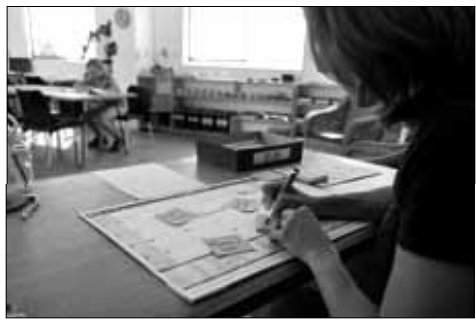
In teaching, “fidelity” refers to closely following specific procedures for how to teach a lesson or respond to student behavior. For example, following a curriculum to fidelity might mean a teacher is required to read from a script, use a certain tone or expression, or teach from a designated page in a guidebook on a specific day. While prevalent across the country, this kind of micromanaging is more common in schools that serve low-income and minority students.
I’m a former elementary school teacher in the United States and I now study how teachers make ethical decisions. This includes how they observe their students and try to help them – regardless of whether their decisions align with a prescribed curriculum.
In a recent study, I interviewed 12 teachers about how they deal with problems that arise in the classroom every day. These teachers discussed how they came up with responses based on best practices they had learned from their own experience as teachers. They also spoke of the knowledge acquired in professional development courses.
Of the nine who worked in public schools, however, all but one of the teachers were influenced by pressure to follow a curriculum to fidelity. This kindergarten teacher described how, when she was teaching preschool, her students who lived in a rural area did not understand references to crossing busy city streets in a book she was required to read as part of the curriculum. She brought her students outside to the parking lot to practice street crossing and listen to the noises of local traffic. This was not part of the curriculum. Had the teacher followed the curriculum strictly, the students may not have been able to grasp the lesson from the book.
Research shows that flexibility in teaching methods and curricula allows teachers and students to participate more fully in the learning process – and even promotes a more democratic society. Instead of mandating that teachers stick to the curriculum word for word, schools should trust teachers and ask why they want to teach. Working with teachers should begin with the belief in their good intentions.
(Cara Elizabeth Furman. http://theconversation.com, 11.12.2024. Adaptado)
Falantes do Português brasileiro frequentemente pronunciam o -ed final de verbos regulares em inglês como tendo o mesmo som, embora esse sufixo na verdade possa assumir diferentes pronúncias: /t/; /d/; /id/. Das palavras abaixo, retiradas do texto, assinale aquela em que o sufixo -ed é pronunciado como /id/.
Provas

Leia o texto para responder às questões de números 27 a 34.
In teaching, “fidelity” refers to closely following specific procedures for how to teach a lesson or respond to student behavior. For example, following a curriculum to fidelity might mean a teacher is required to read from a script, use a certain tone or expression, or teach from a designated page in a guidebook on a specific day. While prevalent across the country, this kind of micromanaging is more common in schools that serve low-income and minority students.
I’m a former elementary school teacher in the United States and I now study how teachers make ethical decisions. This includes how they observe their students and try to help them – regardless of whether their decisions align with a prescribed curriculum.
In a recent study, I interviewed 12 teachers about how they deal with problems that arise in the classroom every day. These teachers discussed how they came up with responses based on best practices they had learned from their own experience as teachers. They also spoke of the knowledge acquired in professional development courses.
Of the nine who worked in public schools, however, all but one of the teachers were influenced by pressure to follow a curriculum to fidelity. This kindergarten teacher described how, when she was teaching preschool, her students who lived in a rural area did not understand references to crossing busy city streets in a book she was required to read as part of the curriculum. She brought her students outside to the parking lot to practice street crossing and listen to the noises of local traffic. This was not part of the curriculum. Had the teacher followed the curriculum strictly, the students may not have been able to grasp the lesson from the book.
Research shows that flexibility in teaching methods and curricula allows teachers and students to participate more fully in the learning process – and even promotes a more democratic society. Instead of mandating that teachers stick to the curriculum word for word, schools should trust teachers and ask why they want to teach. Working with teachers should begin with the belief in their good intentions.
(Cara Elizabeth Furman. http://theconversation.com, 11.12.2024. Adaptado)
Suppose this text were used in a professional development course for Brazilian primary and secondary school teachers. The theme “interculturality” would constitute an integral part of this teachers’ course as long as the participants were instigated to:
Provas
Leia o texto para responder às questões de números 27 a 34.
In teaching, “fidelity” refers to closely following specific procedures for how to teach a lesson or respond to student behavior. For example, following a curriculum to fidelity might mean a teacher is required to read from a script, use a certain tone or expression, or teach from a designated page in a guidebook on a specific day. While prevalent across the country, this kind of micromanaging is more common in schools that serve low-income and minority students.
I’m a former elementary school teacher in the United States and I now study how teachers make ethical decisions. This includes how they observe their students and try to help them – regardless of whether their decisions align with a prescribed curriculum.
In a recent study, I interviewed 12 teachers about how they deal with problems that arise in the classroom every day. These teachers discussed how they came up with responses based on best practices they had learned from their own experience as teachers. They also spoke of the knowledge acquired in professional development courses.
Of the nine who worked in public schools, however, all but one of the teachers were influenced by pressure to follow a curriculum to fidelity. This kindergarten teacher described how, when she was teaching preschool, her students who lived in a rural area did not understand references to crossing busy city streets in a book she was required to read as part of the curriculum. She brought her students outside to the parking lot to practice street crossing and listen to the noises of local traffic. This was not part of the curriculum. Had the teacher followed the curriculum strictly, the students may not have been able to grasp the lesson from the book.
Research shows that flexibility in teaching methods and curricula allows teachers and students to participate more fully in the learning process – and even promotes a more democratic society. Instead of mandating that teachers stick to the curriculum word for word, schools should trust teachers and ask why they want to teach. Working with teachers should begin with the belief in their good intentions.
(Cara Elizabeth Furman. http://theconversation.com, 11.12.2024. Adaptado)
Leia os trechos abaixo, retirados do terceiro parágrafo:
“They discussed how they came up with responses based on best practices they had learned from their own experience as teachers.”
“They also spoke of the knowledge acquired in professional development courses.”
O conjunto das duas citações ilustra como, para enfrentar os problemas que surgem no seu dia a dia, os professores participantes do estudo descrito no texto recorrem
Provas
Leia o texto para responder às questões de números 27 a 34.
In teaching, “fidelity” refers to closely following specific procedures for how to teach a lesson or respond to student behavior. For example, following a curriculum to fidelity might mean a teacher is required to read from a script, use a certain tone or expression, or teach from a designated page in a guidebook on a specific day. While prevalent across the country, this kind of micromanaging is more common in schools that serve low-income and minority students.
I’m a former elementary school teacher in the United States and I now study how teachers make ethical decisions. This includes how they observe their students and try to help them – regardless of whether their decisions align with a prescribed curriculum.
In a recent study, I interviewed 12 teachers about how they deal with problems that arise in the classroom every day. These teachers discussed how they came up with responses based on best practices they had learned from their own experience as teachers. They also spoke of the knowledge acquired in professional development courses.
Of the nine who worked in public schools, however, all but one of the teachers were influenced by pressure to follow a curriculum to fidelity. This kindergarten teacher described how, when she was teaching preschool, her students who lived in a rural area did not understand references to crossing busy city streets in a book she was required to read as part of the curriculum. She brought her students outside to the parking lot to practice street crossing and listen to the noises of local traffic. This was not part of the curriculum. Had the teacher followed the curriculum strictly, the students may not have been able to grasp the lesson from the book.
Research shows that flexibility in teaching methods and curricula allows teachers and students to participate more fully in the learning process – and even promotes a more democratic society. Instead of mandating that teachers stick to the curriculum word for word, schools should trust teachers and ask why they want to teach. Working with teachers should begin with the belief in their good intentions.
(Cara Elizabeth Furman. http://theconversation.com, 11.12.2024. Adaptado)
This text rests on information deriving largely from
Provas
Leia o texto para responder às questões de números 27 a 34.
In teaching, “fidelity” refers to closely following specific procedures for how to teach a lesson or respond to student behavior. For example, following a curriculum to fidelity might mean a teacher is required to read from a script, use a certain tone or expression, or teach from a designated page in a guidebook on a specific day. While prevalent across the country, this kind of micromanaging is more common in schools that serve low-income and minority students.
I’m a former elementary school teacher in the United States and I now study how teachers make ethical decisions. This includes how they observe their students and try to help them – regardless of whether their decisions align with a prescribed curriculum.
In a recent study, I interviewed 12 teachers about how they deal with problems that arise in the classroom every day. These teachers discussed how they came up with responses based on best practices they had learned from their own experience as teachers. They also spoke of the knowledge acquired in professional development courses.
Of the nine who worked in public schools, however, all but one of the teachers were influenced by pressure to follow a curriculum to fidelity. This kindergarten teacher described how, when she was teaching preschool, her students who lived in a rural area did not understand references to crossing busy city streets in a book she was required to read as part of the curriculum. She brought her students outside to the parking lot to practice street crossing and listen to the noises of local traffic. This was not part of the curriculum. Had the teacher followed the curriculum strictly, the students may not have been able to grasp the lesson from the book.
Research shows that flexibility in teaching methods and curricula allows teachers and students to participate more fully in the learning process – and even promotes a more democratic society. Instead of mandating that teachers stick to the curriculum word for word, schools should trust teachers and ask why they want to teach. Working with teachers should begin with the belief in their good intentions.
(Cara Elizabeth Furman. http://theconversation.com, 11.12.2024. Adaptado)
In the fragment from the first paragraph “following a curriculum to fidelity might mean a teacher is required to”, the bolded modal verb carries the idea of
Provas
Leia o texto para responder às questões de números 27 a 34.
In teaching, “fidelity” refers to closely following specific procedures for how to teach a lesson or respond to student behavior. For example, following a curriculum to fidelity might mean a teacher is required to read from a script, use a certain tone or expression, or teach from a designated page in a guidebook on a specific day. While prevalent across the country, this kind of micromanaging is more common in schools that serve low-income and minority students.
I’m a former elementary school teacher in the United States and I now study how teachers make ethical decisions. This includes how they observe their students and try to help them – regardless of whether their decisions align with a prescribed curriculum.
In a recent study, I interviewed 12 teachers about how they deal with problems that arise in the classroom every day. These teachers discussed how they came up with responses based on best practices they had learned from their own experience as teachers. They also spoke of the knowledge acquired in professional development courses.
Of the nine who worked in public schools, however, all but one of the teachers were influenced by pressure to follow a curriculum to fidelity. This kindergarten teacher described how, when she was teaching preschool, her students who lived in a rural area did not understand references to crossing busy city streets in a book she was required to read as part of the curriculum. She brought her students outside to the parking lot to practice street crossing and listen to the noises of local traffic. This was not part of the curriculum. Had the teacher followed the curriculum strictly, the students may not have been able to grasp the lesson from the book.
Research shows that flexibility in teaching methods and curricula allows teachers and students to participate more fully in the learning process – and even promotes a more democratic society. Instead of mandating that teachers stick to the curriculum word for word, schools should trust teachers and ask why they want to teach. Working with teachers should begin with the belief in their good intentions.
(Cara Elizabeth Furman. http://theconversation.com, 11.12.2024. Adaptado)
In the first paragraph, the idea of fidelity in teaching is presented as
Provas
Leia o texto para responder às questões de números 27 a 34.
In teaching, “fidelity” refers to closely following specific procedures for how to teach a lesson or respond to student behavior. For example, following a curriculum to fidelity might mean a teacher is required to read from a script, use a certain tone or expression, or teach from a designated page in a guidebook on a specific day. While prevalent across the country, this kind of micromanaging is more common in schools that serve low-income and minority students.
I’m a former elementary school teacher in the United States and I now study how teachers make ethical decisions. This includes how they observe their students and try to help them – regardless of whether their decisions align with a prescribed curriculum.
In a recent study, I interviewed 12 teachers about how they deal with problems that arise in the classroom every day. These teachers discussed how they came up with responses based on best practices they had learned from their own experience as teachers. They also spoke of the knowledge acquired in professional development courses.
Of the nine who worked in public schools, however, all but one of the teachers were influenced by pressure to follow a curriculum to fidelity. This kindergarten teacher described how, when she was teaching preschool, her students who lived in a rural area did not understand references to crossing busy city streets in a book she was required to read as part of the curriculum. She brought her students outside to the parking lot to practice street crossing and listen to the noises of local traffic. This was not part of the curriculum. Had the teacher followed the curriculum strictly, the students may not have been able to grasp the lesson from the book.
Research shows that flexibility in teaching methods and curricula allows teachers and students to participate more fully in the learning process – and even promotes a more democratic society. Instead of mandating that teachers stick to the curriculum word for word, schools should trust teachers and ask why they want to teach. Working with teachers should begin with the belief in their good intentions.
(Cara Elizabeth Furman. http://theconversation.com, 11.12.2024. Adaptado)
The author’s main argument in the text can be summarized as:
Provas
Leia a tirinha.

A Brazilian teacher uses this comic strip as part of an English class. The attitude demonstrated by both characters in the last frame could be used as a starting point for a classroom discussion on
Provas
Quando se trata de prefixos, assinale a alternativa incorreta quanto à sua correspondência:
Provas
Conforme vocabulário inglês, assinale a alternativa abaixo que possua a correspondência incorreta:
Provas
Caderno Container