Foram encontradas 108 questões.
Do procedimento relativo aos processos da competência do Tribunal do Júri, analise as afirmativas abaixo:
I. O juiz, fundamentadamente, pronunciará o acusado, se convencido da materialidade do fato e da existência de indícios suficientes de autoria ou de participação.
II. O juiz, fundamentadamente, absolverá desde logo o acusado, quando demonstrada causa de isenção de pena ou de exclusão do crime.
III. O juiz poderá dar ao fato definição jurídica diversa da constante da acusação, embora o acusado fique sujeito à pena mais grave.
Assinale a alternativa CORRETA.
Provas
Questão presente nas seguintes provas

Quanto às chamadas “ações constitucionais”, é CORRETO afirmar que
Provas
Questão presente nas seguintes provas
“Praticar o militar ato de hostilidade contra país estrangeiro, expondo o Brasil a perigo de guerra”, constitui o seguinte crime previsto no Código Penal Militar:
Provas
Questão presente nas seguintes provas
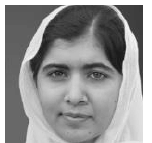
I’M MALALA YOUSAFZAI
“I raise my voice not so that I can shout, but so that those without a voice can be heard”
Malala was born on 12 July 1997, in Mingora, the Swat District of north west Pakistan. She was named Malala, after Malalai, the famous Pashtun Heroine.
Malala’s father, Ziauddin Yousafzai is a poet, and runs a public school. He is a leading educational advocate himself. In 2009, Malala began writing an anonymous blog for the BBC expressing her views on education and life under the threat of the Taliban taking over her valley.
During this period, the Taliban’s military hold on the area intensified. As the Taliban took control of the area they issued edicts banning television, banning music, and banning women from going shopping and limiting women’s education.
A climate of fear prevailed and Malala and her father began to receive death threats for their outspoken views. As a consequence, Malala and her father began to fear for their safety. After the BBC blog ended, Malala was featured in a documentary made for The New York Times. She also received greater international coverage and was revealed as the author of the BBC blog.
In 2011, she received Pakistan’s first National Youth Peace Prize and she was nominated by Archbishop Desmond Tutu for the International Children’s Peace Prize. Her increased profile and strident criticism of the Taliban caused Taliban leaders to meet, and in 2012, they voted to kill her.
On 9 October, 2012, a masked gunman entered her school bus and asked for Malala by name.
Malala was shot with a single bullet which went through her head, neck and shoulder. Two of her friends were also injured in the attack.
Malala survived the initial shooting, but was in a critical condition.
She was later moved to Birmingham in the United Kingdom for further treatment at a specialist hospital for treating military injuries. She was discharged on January 3, 2013 and moved with her family to a temporary home in the West Midlands. It was a miracle she was alive.
Ehsanullah Ehsan, chief spokesman for the Pakistani Taliban, claimed responsibility for the attack, saying that Yousafzai was a symbol of the infidels and obscenity. However, other Islamic clerics in Pakistan issued a fatwa against the Taliban leaders and said there was no religious justification for shooting a schoolgirl.
Her assassination attempt received worldwide condemnation and protests across Pakistan. Over 2 million people signed the Right to Education campaign. The petition helped lead to the ratification of Pakistan’s first right to education bill.
Her shooting, and her refusal to stand down from what she believed was right, brought to light the plight of millions of children around the world who are denied an education today.
Malala became a global advocate for the millions of girls being denied a formal education because of social, economic, legal and political factors.
She started the Malala Fund to bring awareness to the social and economic impact of girls’ education and to empower girls to raise their voices, to unlock their potential, and to demand change. She told in a TV program what she would do if she were confronted again by a member of the Taliban. "I'll tell him how important education is and that I even want education for your children as well," she said. "I'll tell him, 'That's what I want to tell you; now do what you want.'
" The 17-year-old Pakistani became the youngest winner of the Nobel Peace Prize. It was announced on Friday, October 10, this year.
Adapted from http://www.malala.org/
According to the text, Malala
1. raised her voice to get famous.
2. raised her voice just to shout aloud.
3. was a voiceless girl.
4. became a heroine.
5. wanted girls to study.
2. raised her voice just to shout aloud.
3. was a voiceless girl.
4. became a heroine.
5. wanted girls to study.
The only CORRECT alternative is
Provas
Questão presente nas seguintes provas
Sobre o Código Penal Militar, se um civil invade com o seu carro um quartel militar sem autorização, ele
Provas
Questão presente nas seguintes provas
A lei processual penal
Provas
Questão presente nas seguintes provas
Um documento deve ser digitado com 600 palavras, em um máximo de 60 linhas e 4 parágrafos. No Microsoft Word 2010, na versão original, o controle dessas características pode ser feito
Provas
Questão presente nas seguintes provas
TEXTO
A importância da participação da família no desenvolvimento da criança é indiscutível, mas, neste século, os pais deixaram de lado a educação dos filhos, já que esperam que tudo venha da escola. Sem a transmissão de valores, a criança tem dificuldade em processar mentalmente estímulos, de relacionar fatos e estabelecer a importância entre eles. Deixa, portanto, de aprender com os erros do passado. O processo de mediação pode estar presente em qualquer situação do dia a dia. Numa viagem de férias, uma mãe estará mediando o aprendizado de seu filho, ao juntar ao lazer algumas histórias sobre o local, ao chamar a atenção para a arquitetura ou o comportamento das pessoas.
MORAES, Rita. Deixe-me pensar. Isto é, 30 jun.1998. (Adaptado)
Existe, em uma das alternativas, uma mensagem que NÃO foi apontada pelo texto 1. Assinale-a.
Provas
Questão presente nas seguintes provas
I’M MALALA YOUSAFZAI
“I raise my voice not so that I can shout, but so that those without a voice can be heard”
Malala was born on 12 July 1997, in Mingora, the Swat District of north west Pakistan. She was named Malala, after Malalai, the famous Pashtun Heroine.
Malala’s father, Ziauddin Yousafzai is a poet, and runs a public school. He is a leading educational advocate himself. In 2009, Malala began writing an anonymous blog for the BBC expressing her views on education and life under the threat of the Taliban taking over her valley.
During this period, the Taliban’s military hold on the area intensified. As the Taliban took control of the area they issued edicts banning television, banning music, and banning women from going shopping and limiting women’s education.
A climate of fear prevailed and Malala and her father began to receive death threats for their outspoken views. As a consequence, Malala and her father began to fear for their safety. After the BBC blog ended, Malala was featured in a documentary made for The New York Times. She also received greater international coverage and was revealed as the author of the BBC blog.
In 2011, she received Pakistan’s first National Youth Peace Prize and she was nominated by Archbishop Desmond Tutu for the International Children’s Peace Prize. Her increased profile and strident criticism of the Taliban caused Taliban leaders to meet, and in 2012, they voted to kill her.
On 9 October, 2012, a masked gunman entered her school bus and asked for Malala by name.
Malala was shot with a single bullet which went through her head, neck and shoulder. Two of her friends were also injured in the attack.
Malala survived the initial shooting, but was in a critical condition.
Malala survived the initial shooting, but was in a critical condition.
She was later moved to Birmingham in the United Kingdom for further treatment at a specialist hospital for treating military injuries. She was discharged on January 3, 2013 and moved with her family to a temporary home in the West Midlands. It was a miracle she was alive.
Ehsanullah Ehsan, chief spokesman for the Pakistani Taliban, claimed responsibility for the attack, saying that Yousafzai was a symbol of the infidels and obscenity. However, other Islamic clerics in Pakistan issued a fatwa against the Taliban leaders and said there was no religious justification for shooting a schoolgirl.
Her assassination attempt received worldwide condemnation and protests across Pakistan. Over 2 million people signed the Right to Education campaign. The petition helped lead to the ratification of Pakistan’s first right to education bill.
Her shooting, and her refusal to stand down from what she believed was right, brought to light the plight of millions of children around the world who are denied an education today.
Malala became a global advocate for the millions of girls being denied a formal education because of social, economic, legal and political factors.
She started the Malala Fund to bring awareness to the social and economic impact of girls’ education and to empower girls to raise their voices, to unlock their potential, and to demand change. She told in a TV program what she would do if she were confronted again by a member of the Taliban. "I'll tell him how important education is and that I even want education for your children as well," she said. "I'll tell him, 'That's what I want to tell you; now do what you want.'
" The 17-year-old Pakistani became the youngest winner of the Nobel Peace Prize. It was announced on Friday, October 10, this year.
Adapted from http://www.malala.org/
The sentence "I raise my voice not so that I can shout, but so that those without a voice can be heard" in Portuguese means
Provas
Questão presente nas seguintes provas
I’M MALALA YOUSAFZAI
“I raise my voice not so that I can shout, but so that those without a voice can be heard”
Malala was born on 12 July 1997, in Mingora, the Swat District of north west Pakistan. She was named Malala, after Malalai, the famous Pashtun Heroine.
Malala’s father, Ziauddin Yousafzai is a poet, and runs a public school. He is a leading educational advocate himself. In 2009, Malala began writing an anonymous blog for the BBC expressing her views on education and life under the threat of the Taliban taking over her valley.
During this period, the Taliban’s military hold on the area intensified. As the Taliban took control of the area they issued edicts banning television, banning music, and banning women from going shopping and limiting women’s education.
A climate of fear prevailed and Malala and her father began to receive death threats for their outspoken views. As a consequence, Malala and her father began to fear for their safety. After the BBC blog ended, Malala was featured in a documentary made for The New York Times. She also received greater international coverage and was revealed as the author of the BBC blog.
In 2011, she received Pakistan’s first National Youth Peace Prize and she was nominated by Archbishop Desmond Tutu for the International Children’s Peace Prize. Her increased profile and strident criticism of the Taliban caused Taliban leaders to meet, and in 2012, they voted to kill her.
On 9 October, 2012, a masked gunman entered her school bus and asked for Malala by name.
Malala was shot with a single bullet which went through her head, neck and shoulder. Two of her friends were also injured in the attack.
Malala survived the initial shooting, but was in a critical condition.
She was later moved to Birmingham in the United Kingdom for further treatment at a specialist hospital for treating military injuries. She was discharged on January 3, 2013 and moved with her family to a temporary home in the West Midlands. It was a miracle she was alive.
Ehsanullah Ehsan, chief spokesman for the Pakistani Taliban, claimed responsibility for the attack, saying that Yousafzai was a symbol of the infidels and obscenity. However, other Islamic clerics in Pakistan issued a fatwa against the Taliban leaders and said there was no religious justification for shooting a schoolgirl.
Her assassination attempt received worldwide condemnation and protests across Pakistan. Over 2 million people signed the Right to Education campaign. The petition helped lead to the ratification of Pakistan’s first right to education bill.
Her shooting, and her refusal to stand down from what she believed was right, brought to light the plight of millions of children around the world who are denied an education today.
Malala became a global advocate for the millions of girls being denied a formal education because of social, economic, legal and political factors.
She started the Malala Fund to bring awareness to the social and economic impact of girls’ education and to empower girls to raise their voices, to unlock their potential, and to demand change. She told in a TV program what she would do if she were confronted again by a member of the Taliban. "I'll tell him how important education is and that I even want education for your children as well," she said. "I'll tell him, 'That's what I want to tell you; now do what you want.'
" The 17-year-old Pakistani became the youngest winner of the Nobel Peace Prize. It was announced on Friday, October 10, this year.
Adapted from http://www.malala.org/
According to the text, Malala
1. was born in Pakistan.
2. is a 17-year-old girl now.
3. challenged the Taliban.
4. wrote to a BBC blog.
5. received death threats.
2. is a 17-year-old girl now.
3. challenged the Taliban.
4. wrote to a BBC blog.
5. received death threats.
The only CORRECT alternative is
Provas
Questão presente nas seguintes provas
Cadernos
Caderno Container