Foram encontradas 108 questões.
O Direito Civil aceita determinadas causas de exclusão de responsabilidade. Indique, dentre as alternativas abaixo, aquela que NÃO exerce essa função.
Provas
Questão presente nas seguintes provas

Digamos que o menor de 18 (dezoito) anos “A” atire dolosamente contra a vítima que vem a falecer após a maioridade de “A”. Sobre o fato narrado, o tempo do crime e a regra geral adotada no Código Penal brasileiro, analise os itens a seguir:
I. Aplica-se o Código Penal, uma vez que o crime foi consumado na vigência da maioridade penal de “A”.
II. Considera-se praticado o crime no tempo em que ocorreu a ação ou omissão, no todo ou em parte, bem como na época em que se produziu ou deveria produzir-se o resultado.
III. O Código Penal não pode ser aplicado, uma vez que deve ser considerado o momento da consumação do crime.
IV. O Código Penal não pode ser aplicado, uma vez que deve ser considerado o momento da ação ou omissão, ainda que outro seja o momento do resultado.
Está CORRETO, somente, o que se afirma em
Provas
Questão presente nas seguintes provas
Considerando a segurança da informação, a Filtragem de Pacotes, NAT (Network Address Translation) e Serviços Proxy são módulos fundamentais de
Provas
Questão presente nas seguintes provas
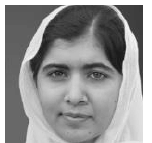
I’M MALALA YOUSAFZAI
“I raise my voice not so that I can shout, but so that those without a voice can be heard”
Malala was born on 12 July 1997, in Mingora, the Swat District of north west Pakistan. She was named Malala, after Malalai, the famous Pashtun Heroine.
Malala’s father, Ziauddin Yousafzai is a poet, and runs a public school. He is a leading educational advocate himself. In 2009, Malala began writing an anonymous blog for the BBC expressing her views on education and life under the threat of the Taliban taking over her valley.
During this period, the Taliban’s military hold on the area intensified. As the Taliban took control of the area they issued edicts banning television, banning music, and banning women from going shopping and limiting women’s education.
A climate of fear prevailed and Malala and her father began to receive death threats for their outspoken views. As a consequence, Malala and her father began to fear for their safety. After the BBC blog ended, Malala was featured in a documentary made for The New York Times. She also received greater international coverage and was revealed as the author of the BBC blog.
In 2011, she received Pakistan’s first National Youth Peace Prize and she was nominated by Archbishop Desmond Tutu for the International Children’s Peace Prize. Her increased profile and strident criticism of the Taliban caused Taliban leaders to meet, and in 2012, they voted to kill her.
On 9 October, 2012, a masked gunman entered her school bus and asked for Malala by name.
Malala was shot with a single bullet which went through her head, neck and shoulder. Two of her friends were also injured in the attack.
Malala survived the initial shooting, but was in a critical condition.
Malala survived the initial shooting, but was in a critical condition.
She was later moved to Birmingham in the United Kingdom for further treatment at a specialist hospital for treating military injuries. She was discharged on January 3, 2013 and moved with her family to a temporary home in the West Midlands. It was a miracle she was alive.
Ehsanullah Ehsan, chief spokesman for the Pakistani Taliban, claimed responsibility for the attack, saying that Yousafzai was a symbol of the infidels and obscenity. However, other Islamic clerics in Pakistan issued a fatwa against the Taliban leaders and said there was no religious justification for shooting a schoolgirl.
Her assassination attempt received worldwide condemnation and protests across Pakistan. Over 2 million people signed the Right to Education campaign. The petition helped lead to the ratification of Pakistan’s first right to education bill.
Her shooting, and her refusal to stand down from what she believed was right, brought to light the plight of millions of children around the world who are denied an education today.
Malala became a global advocate for the millions of girls being denied a formal education because of social, economic, legal and political factors.
She started the Malala Fund to bring awareness to the social and economic impact of girls’ education and to empower girls to raise their voices, to unlock their potential, and to demand change. She told in a TV program what she would do if she were confronted again by a member of the Taliban. "I'll tell him how important education is and that I even want education for your children as well," she said. "I'll tell him, 'That's what I want to tell you; now do what you want.'
" The 17-year-old Pakistani became the youngest winner of the Nobel Peace Prize. It was announced on Friday, October 10, this year.
Adapted from http://www.malala.org/
According to the text, Taliban
1. killed Malala.
2. tried to kill Malala.
3. decided to kill Malala.
4. volted for killing Malala.
5. failed killing Malala.
2. tried to kill Malala.
3. decided to kill Malala.
4. volted for killing Malala.
5. failed killing Malala.
The only CORRECT alternative is
Provas
Questão presente nas seguintes provas
Sobre o crime no Código Penal Militar, analise os itens a seguir:
I. A omissão é relevante como causa quando o omitente devia e podia agir para evitar o resultado.
II. Pune-se a tentativa com a pena correspondente ao crime, diminuída de um a dois terços, podendo o juiz, no caso de excepcional gravidade, aplicar a pena do crime consumado.
III. O agente que, voluntariamente, desiste de prosseguir na execução ou impede que o resultado se produza, responde pelo crime consumado com redução de um a dois terços.
IV. Pelos resultados que agravam especialmente as penas só responde o agente quando os houver causado dolosamente.
Está CORRETO o que se afirma em
Provas
Questão presente nas seguintes provas
I’M MALALA YOUSAFZAI
“I raise my voice not so that I can shout, but so that those without a voice can be heard”
Malala was born on 12 July 1997, in Mingora, the Swat District of north west Pakistan. She was named Malala, after Malalai, the famous Pashtun Heroine.
Malala’s father, Ziauddin Yousafzai is a poet, and runs a public school. He is a leading educational advocate himself. In 2009, Malala began writing an anonymous blog for the BBC expressing her views on education and life under the threat of the Taliban taking over her valley.
During this period, the Taliban’s military hold on the area intensified. As the Taliban took control of the area they issued edicts banning television, banning music, and banning women from going shopping and limiting women’s education.
A climate of fear prevailed and Malala and her father began to receive death threats for their outspoken views. As a consequence, Malala and her father began to fear for their safety. After the BBC blog ended, Malala was featured in a documentary made for The New York Times. She also received greater international coverage and was revealed as the author of the BBC blog.
In 2011, she received Pakistan’s first National Youth Peace Prize and she was nominated by Archbishop Desmond Tutu for the International Children’s Peace Prize. Her increased profile and strident criticism of the Taliban caused Taliban leaders to meet, and in 2012, they voted to kill her.
On 9 October, 2012, a masked gunman entered her school bus and asked for Malala by name.
Malala was shot with a single bullet which went through her head, neck and shoulder. Two of her friends were also injured in the attack.
Malala survived the initial shooting, but was in a critical condition.
Malala survived the initial shooting, but was in a critical condition.
She was later moved to Birmingham in the United Kingdom for further treatment at a specialist hospital for treating military injuries. She was discharged on January 3, 2013 and moved with her family to a temporary home in the West Midlands. It was a miracle she was alive.
Ehsanullah Ehsan, chief spokesman for the Pakistani Taliban, claimed responsibility for the attack, saying that Yousafzai was a symbol of the infidels and obscenity. However, other Islamic clerics in Pakistan issued a fatwa against the Taliban leaders and said there was no religious justification for shooting a schoolgirl.
Her assassination attempt received worldwide condemnation and protests across Pakistan. Over 2 million people signed the Right to Education campaign. The petition helped lead to the ratification of Pakistan’s first right to education bill.
Her shooting, and her refusal to stand down from what she believed was right, brought to light the plight of millions of children around the world who are denied an education today.
Malala became a global advocate for the millions of girls being denied a formal education because of social, economic, legal and political factors.
She started the Malala Fund to bring awareness to the social and economic impact of girls’ education and to empower girls to raise their voices, to unlock their potential, and to demand change. She told in a TV program what she would do if she were confronted again by a member of the Taliban. "I'll tell him how important education is and that I even want education for your children as well," she said. "I'll tell him, 'That's what I want to tell you; now do what you want.'
" The 17-year-old Pakistani became the youngest winner of the Nobel Peace Prize. It was announced on Friday, October 10, this year.
Adapted from http://www.malala.org/
What prizes has she received?
1. A The International Children’s Peace Prize.
2. The Pakistan’s first National Youth Peace Prize.
3. The economic impact of girls’ education.
4. The Nobel Peace Prize.
5. The Right to Education campaign.
2. The Pakistan’s first National Youth Peace Prize.
3. The economic impact of girls’ education.
4. The Nobel Peace Prize.
5. The Right to Education campaign.
The only CORRECT alternative is
Provas
Questão presente nas seguintes provas
Sobre o crime de furto previsto no Código Penal Militar: “Subtrair, para si ou para outrem, coisa alheia móvel”, analise as afirmativas a seguir:
I. Se o autor do delito for civil, o crime deve ser cometido contra as instituições militares.
II. O tipo penal não admite a modalidade culposa.
III. Equipara-se à coisa móvel a energia elétrica ou qualquer outra que tenha valor econômico.
IV. Será qualificado, se a coisa furtada pertencer à Fazenda Nacional.
Está CORRETO o que se afirma em
Provas
Questão presente nas seguintes provas
A Internet é uma rede mundial pública de computadores, que conecta equipamentos em todo o mundo. As Intranets são redes privadas, que utilizam as tecnologias da Internet. Quanto aos conceitos de Intranet e Internet, analise as afirmativas a seguir:
I. Podem ser implementadas como modelo multicamada, que combina servidores públicos e internos, permitindo a comunicação entre os empregados da empresa e seus clientes.
II. Podem ser implementadas como modelo interno, constituído de servidores de informação internos para acessos dos empregados a informações tecnológicas e treinamento.
II. Podem ser implementadas como modelo interno, constituído de servidores de informação internos para acessos dos empregados a informações tecnológicas e treinamento.
III. Um dos objetivos na criação de uma Intranet dentro de uma empresa é criar uma fonte única de informação baseada em Web.
Está(ão) CORRETA(S)
Provas
Questão presente nas seguintes provas
2487245
Ano: 2014
Disciplina: Direito Processual Penal Militar
Banca: UPENET/IAUPE
Orgão: PM-PE
Disciplina: Direito Processual Penal Militar
Banca: UPENET/IAUPE
Orgão: PM-PE
Provas:
Sobre a conexão e a continência previstas no Código de Processo Penal Militar, analise as afirmativas abaixo:
I. Haverá continência se, ocorridas duas ou mais infrações, tiverem sido praticadas, ao mesmo tempo, por várias pessoas reunidas ou por várias pessoas em concurso, embora diverso o tempo e o lugar, ou por várias pessoas, umas contra as outras.
II. Haverá continência quando a prova de uma infração ou de qualquer de suas circunstâncias elementares influir na prova de outra infração.
III. Haverá conexão quando duas ou mais pessoas forem acusadas da mesma infração.
IV. Haverá continência na hipótese de uma única pessoa praticar várias infrações em concurso.
Está CORRETO, apenas, o que se afirma em
Provas
Questão presente nas seguintes provas
Em conformidade com o Código Civil de 2002 (Lei Nº 10.406/2002), a respeito dos bens, assinale a alternativa CORRETA.
Provas
Questão presente nas seguintes provas
Cadernos
Caderno Container