Foram encontradas 100 questões.
TEXT I
Breaking the habit: From oiloholics to e-totallers
What changes in driving habits and improved batteries might do to oil demand
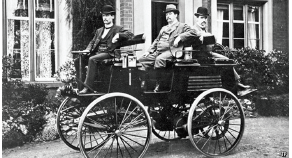
It has been a bad couple of years for those hoping for the death of driving. In America, where cars are an important part of the national psyche, a decade ago people had suddenly started to drive less, which had not happened since the oil shocks of the 1970s. Academics started to talk excitedly about “peak driving”, offering explanations such as urbanisation, ageing baby-boomers, car-shy millennials, ride-sharing apps such as Uber and even the distraction of Facebook.
Yet the causes may have been more prosaic: a combination of higher petrol prices and lower incomes in the wake of the 2008-09 financial crisis. Since the drop in oil prices in 2014, and a recovery in employment, the number of vehicle-miles travelled has rebounded, and sales of trucks and SUVs, which are less fuel-efficient than cars, have hit record highs.
This sensitivity to prices and incomes is important for global oil demand. More than half the world’s oil is used for transport, and of that, 46% goes into passenger cars. But the response to lower prices has been partially offset by dramatic improvements in fuel efficiency in America and elsewhere, thanks to standards like America’s Corporate Average Fuel Economy (CAFE.), the EU’s rules on CO2 emissions and those in place in China since 2012.
The IEA says that such measures cut oil consumption in 2015 by a whopping 2.3m b/d. This is particularly impressive because interest in fuel efficiency usually wanes when prices are low. If best practice were applied to all the world’s vehicles, the savings would be 4.3m b/d, roughly equivalent to the crude output of Canada. This helps explain why some forecasters think demand for petrol may peak within the next 10-15 years even if the world’s vehicle fleet keeps growing.
Occo Roelofsen of McKinsey, a consultancy, goes further. Hereckons that thanks to the decline in the use of oil in light vehicles, total consumption of liquid fuels will begin to fall within a decade, and that in the next few decades driving will be shaken up by electric vehicles (EVs), self-driving cars and car-sharing. […]
(Dated Nov 24th, 2016. From https://www.economist.com/news/
specialreport/ 21710635-what-changes-driving-habits-and-improved-batteries-might-dooil- demand-coming. Accessed July 18th, 2017)
The word “offset” in “has been partially offset” means:
Provas

TEXT I
Breaking the habit: From oiloholics to e-totallers
What changes in driving habits and improved batteries might do to oil demand
It has been a bad couple of years for those hoping for the death of driving. In America, where cars are an important part of the national psyche, a decade ago people had suddenly started to drive less, which had not happened since the oil shocks of the 1970s. Academics started to talk excitedly about “peak driving”, offering explanations such as urbanisation, ageing baby-boomers, car-shy millennials, ride-sharing apps such as Uber and even the distraction of Facebook.
Yet the causes may have been more prosaic: a combination of higher petrol prices and lower incomes in the wake of the 2008-09 financial crisis. Since the drop in oil prices in 2014, and a recovery in employment, the number of vehicle-miles travelled has rebounded, and sales of trucks and SUVs, which are less fuel-efficient than cars, have hit record highs.
This sensitivity to prices and incomes is important for global oil demand. More than half the world’s oil is used for transport, and of that, 46% goes into passenger cars. But the response to lower prices has been partially offset by dramatic improvements in fuel efficiency in America and elsewhere, thanks to standards like America’s Corporate Average Fuel Economy (CAFE.), the EU’s rules on CO2 emissions and those in place in China since 2012.
The IEA says that such measures cut oil consumption in 2015 by a whopping 2.3m b/d. This is particularly impressive because interest in fuel efficiency usually wanes when prices are low. If best practice were applied to all the world’s vehicles, the savings would be 4.3m b/d, roughly equivalent to the crude output of Canada. This helps explain why some forecasters think demand for petrol may peak within the next 10-15 years even if the world’s vehicle fleet keeps growing.
Occo Roelofsen of McKinsey, a consultancy, goes further. Hereckons that thanks to the decline in the use of oil in light vehicles, total consumption of liquid fuels will begin to fall within a decade, and that in the next few decades driving will be shaken up by electric vehicles (EVs), self-driving cars and car-sharing. […]
(Dated Nov 24th, 2016. From https://www.economist.com/news/
specialreport/ 21710635-what-changes-driving-habits-and-improved-batteries-might-dooil- demand-coming. Accessed July 18th, 2017)
The use of “yet” in the opening of the second paragraph indicates that the author will provide a(n):
Provas
TEXT I
Breaking the habit: From oiloholics to e-totallers
What changes in driving habits and improved batteries might do to oil demand
It has been a bad couple of years for those hoping for the death of driving. In America, where cars are an important part of the national psyche, a decade ago people had suddenly started to drive less, which had not happened since the oil shocks of the 1970s. Academics started to talk excitedly about “peak driving”, offering explanations such as urbanisation, ageing baby-boomers, car-shy millennials, ride-sharing apps such as Uber and even the distraction of Facebook.
Yet the causes may have been more prosaic: a combination of higher petrol prices and lower incomes in the wake of the 2008-09 financial crisis. Since the drop in oil prices in 2014, and a recovery in employment, the number of vehicle-miles travelled has rebounded, and sales of trucks and SUVs, which are less fuel-efficient than cars, have hit record highs.
This sensitivity to prices and incomes is important for global oil demand. More than half the world’s oil is used for transport, and of that, 46% goes into passenger cars. But the response to lower prices has been partially offset by dramatic improvements in fuel efficiency in America and elsewhere, thanks to standards like America’s Corporate Average Fuel Economy (CAFE.), the EU’s rules on CO2 emissions and those in place in China since 2012.
The IEA says that such measures cut oil consumption in 2015 by a whopping 2.3m b/d. This is particularly impressive because interest in fuel efficiency usually wanes when prices are low. If best practice were applied to all the world’s vehicles, the savings would be 4.3m b/d, roughly equivalent to the crude output of Canada. This helps explain why some forecasters think demand for petrol may peak within the next 10-15 years even if the world’s vehicle fleet keeps growing.
Occo Roelofsen of McKinsey, a consultancy, goes further. Hereckons that thanks to the decline in the use of oil in light vehicles, total consumption of liquid fuels will begin to fall within a decade, and that in the next few decades driving will be shaken up by electric vehicles (EVs), self-driving cars and car-sharing. […]
(Dated Nov 24th, 2016. From https://www.economist.com/news/
specialreport/ 21710635-what-changes-driving-habits-and-improved-batteries-might-dooil- demand-coming. Accessed July 18th, 2017)
In the first paragraph, one of the reasons provided for the fact that driving was reduced in America a decade ago is:
Provas
TEXT I
Breaking the habit: From oiloholics to e-totallers
What changes in driving habits and improved batteries might do to oil demand
It has been a bad couple of years for those hoping for the death of driving. In America, where cars are an important part of the national psyche, a decade ago people had suddenly started to drive less, which had not happened since the oil shocks of the 1970s. Academics started to talk excitedly about “peak driving”, offering explanations such as urbanisation, ageing baby-boomers, car-shy millennials, ride-sharing apps such as Uber and even the distraction of Facebook.
Yet the causes may have been more prosaic: a combination of higher petrol prices and lower incomes in the wake of the 2008-09 financial crisis. Since the drop in oil prices in 2014, and a recovery in employment, the number of vehicle-miles travelled has rebounded, and sales of trucks and SUVs, which are less fuel-efficient than cars, have hit record highs.
This sensitivity to prices and incomes is important for global oil demand. More than half the world’s oil is used for transport, and of that, 46% goes into passenger cars. But the response to lower prices has been partially offset by dramatic improvements in fuel efficiency in America and elsewhere, thanks to standards like America’s Corporate Average Fuel Economy (CAFE.), the EU’s rules on CO2 emissions and those in place in China since 2012.
The IEA says that such measures cut oil consumption in 2015 by a whopping 2.3m b/d. This is particularly impressive because interest in fuel efficiency usually wanes when prices are low. If best practice were applied to all the world’s vehicles, the savings would be 4.3m b/d, roughly equivalent to the crude output of Canada. This helps explain why some forecasters think demand for petrol may peak within the next 10-15 years even if the world’s vehicle fleet keeps growing.
Occo Roelofsen of McKinsey, a consultancy, goes further. Hereckons that thanks to the decline in the use of oil in light vehicles, total consumption of liquid fuels will begin to fall within a decade, and that in the next few decades driving will be shaken up by electric vehicles (EVs), self-driving cars and car-sharing. […]
(Dated Nov 24th, 2016. From https://www.economist.com/news/
specialreport/ 21710635-what-changes-driving-habits-and-improved-batteries-might-dooil- demand-coming. Accessed July 18th, 2017)
The title of Text I implies a(n):
Provas
- Gestão de ProjetosPMBOKÁreas de ConhecimentoPMBOK: Gerenciamento de Custos do Projeto
- Gestão de ProjetosPMBOKGrupos de Processos do PMBOKProcessos de Monitoramento e Controle
- Gestão de ProjetosPMBOKPMBOK: Ferramentas e Técnicas de Gerenciamento de Projetos
No que tange à implantação das melhores práticas de gerenciamento de projetos de sistemas de TI, certa técnica é utilizada para fazer o acompanhamento da linha de base dos custos, cujos resultados dos cálculos fornecidos pela técnica indicam o andamento do projeto com relação aos custos e à extensão das variações de escopo e de tempo. Essa técnica é conhecida como:
Provas
A Estrutura Analítica do Projeto – EAP é a decomposição hierárquica das entregas do trabalho a ser executado pela equipe para atingir os objetivos do projeto, abrangendo todo o seu escopo. O projeto de desenvolvimento de software poderia ser chamado de “Sistema de Gestão Comercial” composto por entregas conforme a seguinte opção:
Provas
- Gestão de ProjetosPMBOKIntrodução ao PMBOK
- Gestão de ProjetosPMBOKÁreas de ConhecimentoPMBOK: Gerenciamento do Cronograma do Projeto
No gerenciamento de um projeto, os processos de gerência do tempo para que o prazo de término estabelecido seja respeitado são:
Provas
Avalie se as seguintes sentenças em relação às melhores práticas de gerenciamento de projetos de sistemas de TI são falsas (F) ou verdadeiras (V):
- O ciclo de vida do projeto é dependente do ciclo de vida do produto produzido ou modificado pelo projeto.
- Os níveis de custo e de pessoal são mais altos no início do projeto.
- Os custos das mudanças e correções de erros geralmente aumentam significativamente à medida que o projeto se aproxima do término.
As afirmativas são respectivamente:
Provas
- Gestão de ProjetosGestão de Projetos de TI
- Gestão de ProjetosLevantamento de Requisitos
- Gestão de ProjetosPMBOKÁreas de ConhecimentoPMBOK: Gerenciamento do Escopo do Projeto
Segundo as melhores práticas de gerenciamento de projetos de sistemas de TI, na coleta de requisitos durante o gerenciamento do escopo do projeto nas sessões de Joint Application Design (JAD) as ações são realizadas com a utilização de uma técnica ou ferramenta conhecida como:
Provas
Segundo as melhores práticas de gerenciamento de projetos de sistemas de TI, durante a Análise Quantitativa de Riscos em projetos, a análise de sensibilidade:
Provas
Caderno Container