Foram encontradas 72 questões.
Utilize as informações a seguir para responder a questão.
Uma das consequências do acidente nuclear ocorrido no Japão em março de 2011 foi o vazamento de isótopos radioativos que podem aumentar a incidência de certos tumores glandulares. Para minimizar essa probabilidade, foram prescritas pastilhas de iodeto de potássio à população mais atingida pela radiação.
Suponha que, em alguns dos locais atingidos pela radiação, as pastilhas disponíveis continham, cada uma, 5 x 10⁻⁴ mol de iodeto de potássio, sendo a dose prescrita por pessoa de 33,2 mg por dia. Em razão disso, cada pastilha teve de ser dissolvida em água, formando 1L de solução.
O volume da solução preparada que cada pessoa deve beber para ingerir a dose diária prescrita de iodeto de potássio corresponde, em mililitros, a:
Provas

Happiness
It was almost nightfall. The whole day: rain, torrents of rain. Drenched to the bone, I arrived in a little Calabrian village. I had to find a hearth where I could dry out, a corner where I could sleep. The streets were deserted, the doors bolted. The dogs were the only ones to scent the stranger’s breath; they began to bark from within the courtyards. The peasants in this region are wild and misanthropic, suspicious of strangers. I hesitated at every door, extended my hand, but did not dare to knock.
O for my late grandfather in Crete!, who took his lantern each evening and made the rounds of the village to see if any stranger had come. He would take him home, feed him, give him a bed for the night, and then in the morning see him off with a cup of wine and a slice of bread. Here in the Calabrian villages there were no such grandfathers.
Suddenly I saw an open door at the edge of the village. Inclining my head, I looked in: a murky corridor with a lighted fire at the far end and an old lady bent over it. She seemed to be cooking. I crossed the threshold and entered. I reached the fire and sat down on a stool which I found in front of the hearth. The old lady was squatting on another stool, stirring the meal with a wooden spoon. I felt that she eyed me rapidly, without turning. But she said nothing. Taking off my jacket, I began to dry it. I sensed happiness rising in me like warmth, from my feet to my shins, my thighs, my breast. Hungrily, avidly, I breathed in the delicious smell of the steam rising from the pot. Once more I realized to what an extent earthly happiness is made to the measure of man. It is not a rare bird which we must pursue at one moment in heaven, at the next in our minds. Happiness is a domestic bird in our own courtyards.
As soon as we finished, she prepared a bed for me on a bench to the right of the table. I lay down, and she lay down on the other bench opposite me. Outside the rain was falling by the bucketful. For a considerable time I heard the water cackle on the roof, mixed with the old lady’s calm, quiet breathing. She must have been tired, for she fell asleep the moment she inclined her head. Little by little, with the rain and the old lady’s respiration, I too slipped into sleep. When I awoke, I saw daylight peering through the cracks in the door.
The old lady had already risen and placed a saucepan on the fire to prepare the morning milk. I looked at her now in the sparse daylight. Shriveled and hump, she could fit into the palm of your hand. Her legs were so swollen that she had to stop at every step and catch her breath. But her eyes, only her large, pitch-black eyes, gleamed with youthful, unaging brilliance. How beautiful she must have been in her youth, I thought to myself, cursing man’s fate, his inevitable deterioration. Sitting down opposite each other again, we drank the milk. Then I rose and slung my carpetbag over my shoulder. I took out my wallet, but the old lady colored deeply.
“No, no,” she murmured, extending her hand.
As I looked at her in astonishment, the whole of her wrinkled face suddenly gleamed.
“Goodbye, and God bless you,” she said. “May the Lord repay you for the good you’ve done me. Since my husband died I’ve never slept so well.”
NIKOS KAZANTZAKIS* http://grammar.about.com
* Nikos Kazantzakis (1883-1957) was one of the most important Greek writers of the 20th century.
According to some authors, a memoir is how one remembers one’s own life; an autobiography is history, requiring research, dates and facts.
In relation to the author’s life, the text Happiness can be characterized as a memoir especially because of the presence of:
Provas
A análise das pirâmides etárias possibilita perceber algumas tendências da dinâmica demográfica de uma sociedade.
Observe a estrutura etária da população dos estados brasileiros em 2000:

A macrorregião brasileira que deverá demorar mais para concluir seu processo de transição demográfica é a:
Provas
O chá, os fantasmas, os ventos encanados...
Nasci no tempo dos ventos encanados, quando, para evitar compromissos, a “gente bem” dizia estar com enxaqueca, palavra horrível mas desculpa distinta. Ter enxaqueca não era para todos, mas só para essas senhoras que tomavam chá com o dedo mindinho espichado. Quando eu via aquilo, ficava a pensar sozinho comigo (menino, naqueles tempos, não dava opiniãoA)) por que é que elas não usavam, para cúmulo da elegância, um laçarote azul no dedo...
Também se falava misteriosamente em “moléstias de senhorasB)” nos anúncios farmacêuticos que eu lia. Era decerto uma coisa privativa das senhoras, como as enxaquecas, pois as criadas, essas, não tinham tempo para isso. Mas, em compensação, me assustavam deliciosamente com histórias de assombrações. Nunca me apareceu nenhuma.C)
Pelo visto, era isso: nunca consegui comunicar-me com este nem com o outro mundo. A não ser através d’ O tico-tico e da poesia de Camões, do qual até hoje me assombra este verso único:D) “Que o menor mal de tudo seja a morte!” Pois a verdadeira poesia sempre foi um meio de comunicação com este e com o outro mundo.
MÁRIO QUINTANA Mario Quintana: poesia completa. Rio de Janeiro: Nova Fronteira, 2005.
Além da comparação entre papéis sociais, há no texto outra comparação, implícita, que indica uma compreensão do narrador acerca de comportamentos na sociedade.
Essa comparação implícita está em:
Provas
Na indústria de alimentos, a análise da composição dos ácidos carboxílicos não ramificados presentes na manteiga é composta por três etapas:
- reação química dos ácidos com etanol, formando uma mistura de ésteres; - aquecimento gradual dessa mistura, para destilação fracionada dos ésteres; - identificação de cada um dos ésteres vaporizados, em função do seu ponto de ebulição.
O gráfico a seguir indica o percentual de cada um dos ésteres formados na primeira etapa da análise de uma amostra de manteiga:
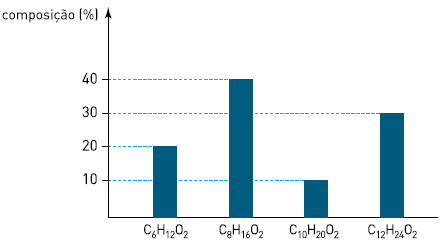
Na amostra analisada, está presente em maior quantidade o ácido carboxílico denominado:
Provas
O personagem Jeca Tatu, criado por Monteiro Lobato, tornou-se mais conhecido na década de 1930, por meio de anúncios publicitários, como o ilustrado abaixo:
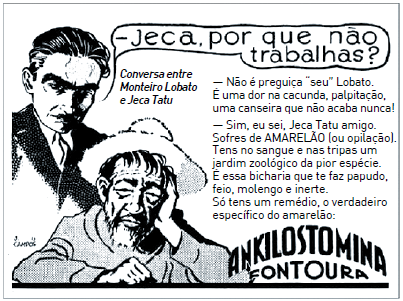
Adaptado de www.miniweb.com.br
Esse anúncio retratava aspectos da sociedade brasileira da época, expressando críticas principalmente às condições de:
Provas
No interior do casco dos navios, existem tanques que podem ter seu volume preenchido parcial ou totalmente com água do mar em função das necessidades de flutuabilidade.
Como os tanques são constituídos de materiais metálicos, eles sofrem, ao longo do tempo, corrosão pelo contato com a água do mar, conforme a equação:
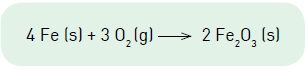
Um processo corrosivo no interior de um tanque fechado apresenta as seguintes características:
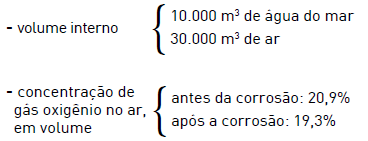
Admita que, durante todo o processo de corrosão, o ar no interior do tanque esteve submetido às CNTP, com comportamento ideal, e que apenas o oxigênio presente no ar foi consumido.
A massa de ferro, em quilogramas, consumida após o processo corrosivo foi igual a:
Provas
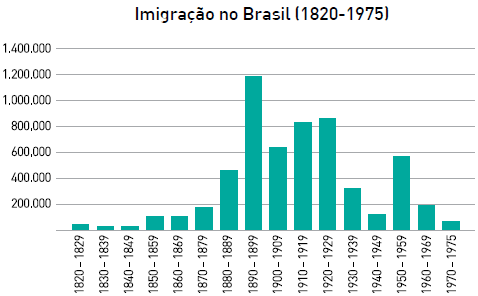
www.ibge.gov.br
Diversas experiências históricas da sociedade brasileira interferiram nas variações dos fluxos imigratórios nos séculos XIX e XX.
Para o período situado entre 1880 e 1899, a variação indicada no gráfico associou-se ao seguinte fator:
Provas
Happiness
It was almost nightfall. The whole day: rain, torrents of rain. Drenched to the bone, I arrived in a little Calabrian village. I had to find a hearth where I could dry out, a corner where I could sleep. The streets were deserted, the doors bolted. The dogs were the only ones to scent the stranger’s breath; they began to bark from within the courtyards. The peasants in this region are wild and misanthropic, suspicious of strangers. I hesitated at every door, extended my hand, but did not dare to knock.
O for my late grandfather in Crete!, who took his lantern each evening and made the rounds of the village to see if any stranger had come. He would take him home, feed him, give him a bed for the night, and then in the morning see him off with a cup of wine and a slice of bread. Here in the Calabrian villages there were no such grandfathers.
Suddenly I saw an open door at the edge of the village. Inclining my head, I looked in: a murky corridor with a lighted fire at the far end and an old lady bent over it. She seemed to be cooking. I crossed the threshold and entered. I reached the fire and sat down on a stool which I found in front of the hearth. The old lady was squatting on another stool, stirring the meal with a wooden spoon. I felt that she eyed me rapidly, without turning. But she said nothing. Taking off my jacket, I began to dry it. I sensed happiness rising in me like warmth, from my feet to my shins, my thighs, my breast. Hungrily, avidly, I breathed in the delicious smell of the steam rising from the pot. Once more I realized to what an extent earthly happiness is made to the measure of man. It is not a rare bird which we must pursue at one moment in heaven, at the next in our minds. Happiness is a domestic bird in our own courtyards.
As soon as we finished, she prepared a bed for me on a bench to the right of the table. I lay down, and she lay down on the other bench opposite me. Outside the rain was falling by the bucketful. For a considerable time I heard the water cackle on the roof, mixed with the old lady’s calm, quiet breathing. She must have been tired, for she fell asleep the moment she inclined her head. Little by little, with the rain and the old lady’s respiration, I too slipped into sleep. When I awoke, I saw daylight peering through the cracks in the door.
The old lady had already risen and placed a saucepan on the fire to prepare the morning milk. I looked at her now in the sparse daylight. Shriveled and hump, she could fit into the palm of your hand. Her legs were so swollen that she had to stop at every step and catch her breath. But her eyes, only her large, pitch-black eyes, gleamed with youthful, unaging brilliance. How beautiful she must have been in her youth, I thought to myself, cursing man’s fate, his inevitable deterioration. Sitting down opposite each other again, we drank the milk. Then I rose and slung my carpetbag over my shoulder. I took out my wallet, but the old lady colored deeply.
“No, no,” she murmured, extending her hand.
As I looked at her in astonishment, the whole of her wrinkled face suddenly gleamed.
“Goodbye, and God bless you,” she said. “May the Lord repay you for the good you’ve done me. Since my husband died I’ve never slept so well.”
NIKOS KAZANTZAKIS* http://grammar.about.com
* Nikos Kazantzakis (1883-1957) was one of the most important Greek writers of the 20th century.
In the second paragraph, Kazantzakis introduces a flashback, an interruption in the telling of the major action to show an episode that happened at an earlier time.
In this narrative, the flashback has the function of:
Provas
Coco Chanel, biographie d’une icône
Travail, âpreté, rigueur, extravagance, indépendance. Cinq mots, c’est peu pour parler d’une vie entière, mais ceux-là résument bien ce qui ressort de la personnalité de Coco Chanel. Le cliché de l’orpheline abandonnée par son père est gros comme un camion, mais la mode n’a pas fini de remercier Albert Chanel d’être parti faire fortune aux Etats-Unis, laissant derrière lui cinq enfants, dont Gabrielle Chanel, qui deviendra celle qu’on sait. Son adolescence est celle d’une fille placée en orphelinat, puis apprentie couseuse à ses 18 ans. Consciente de son talent, Gabrielle refuse d’imaginer qu’elle passera sa vie à confectionner des draps et de la layette. Son avenir sera ailleurs. Elle s’imagine chanteuse au music-hall, s’y essaie, reçoit le soutien d’une bande de jeunes et riches admirateurs, qui lui attribueront son pseudonyme, “Coco”. Parmi eux, Etienne Balsan, qui deviendra son ami, son amant pour un temps, et son protecteur pour toujours.
Mademoiselle s’emporte quand elle voit les femmes engoncées dans leurs corsets, emplumées jusqu’au moindre recoin. Par provocation et parce qu’elle est visionnaire, celle qui crée déjà des chapeaux pour ses amies intimes se montre en public portant des jodhpurs* et tailleurs aux coupes très masculines, autant de tenues libératrices pour le corps de la femme. Elle propose une nouvelle vision de la mode et ouvre en 1910 sa première boutique au mythique numéro 21 de la rue Cambon à Pari. A ses côtés, Boy Capell, un jeune aristocrate anglais qui sera son seul véritable amour. Il l’encourage à ouvrir une deuxième boutique à Deauville, puis une troisième à Biarritz.
La première guerre mondiale contribuera à faire avancer les créations de Coco Chanel. Privée de tissu, elle rachètera tout un stock de jersey qui sert à confectionner les maillots de corps des soldats. Les femmes de hauts dignitaires sont intriguées puis séduites, et les boutiques de Paris, de Deauville et de Biarritz ne désemplissent pas. L’entre-deux-guerres asseoit la notoriété de la griffe Chanel. Coco crée en s’inspirant de ses amants et donne naissance à la mythique petite robe noire, au chapeau cloche, le tout sur fond de Charleston et dans une brume de N°5, alors commercialisé par la marque Bourjois.
La seconde guerre mondiale mettra entre parenthèses l’histoire de Coco Chanel, puisqu’à l’aube des années 40 elle décide brutalement de tout arrêter et de licencier tout son personnel. Au sortir de la guerre, elle s’installera en Suisse, d’où elle ne reviendra que sur l’insistance de ses associés, qui comptent relancer les ventes de parfum de la marque.
La première collection après guerre de Coco Chanel n’a pas de succès. Depuis ses heures de gloire, les jupes se sont raccourcies avec Courrèges, Christian Lacroix a réenfermé la femme dans des corsets. Coco s’emporte: “Mademoiselle ne montera pas la jupe au-dessus du genou, car le genou, c’est laid”. Il faudra une autre collection avant que l’icône ne signe son dernier coup d’éclat, le mythique tailleur à quatre poches qui habillera Jackie Kennedy, Romy Schneider ou Jeanne Moreau. Mais les années 60, les hippies en tunique auront la peau de l’icône. Coco Chanel, née Gabrielle Bonheur Chanel en 1883, meurt à 87 ans, dans la chambre du Ritz qu’elle occupe depuis quinze ans.
Mademoiselle So www.madmoizelle.com
*jodhpurs - calças compridas usadas em equitação
À partir d’un certain moment, pour des motifs divers, Chanel ne réussit plus à maintenir le succès de sa griffe.
Parmi ces motifs, le plus déterminant est indiqué dans:
Provas
Caderno Container