Foram encontradas 378 questões.
Disciplina: Espanhol (Língua Espanhola)
Banca: CESPE / CEBRASPE
Orgão: UnB
Texto para lo ítem.
El mito de Pandora
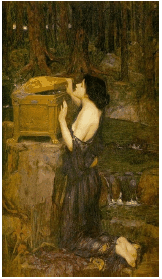
En la mitología griega, Pandora fue la primera mujer, hecha por Zeus como parte de un castigo a Prometeo por haber revelado a la humanidad el secreto del fuego.
Epimeteo, hermano de Promete o, era el responsable de dar rasgos positivos a todos y cada uno de los animales. Sin embargo, cuando llega el turno del hombre no queda nada para darle. Prometeo, sintiendo que el hombre era superior al resto de los animales, decidió entregarle un don que ningún otro animal poseyera. De este modo, Prometeo decidió robar el fuego a Zeus y dárselo al hombre.
Zeus enfureció y creó a Pandora, la que recibió virtudes por diferentes dioses. Hefesto la moldeó de arcilla y le dio forma.
Prometeo advirtió a Epimeteo de no aceptar ningún regalo de los dioses, pero éste no escuchó a su hermano y aceptó a Pandora, enamorándose de ella y finalmente tomándola como esposa.
Hasta entonces, la humanidad había vivido una vida totalmente armoniosa en el mundo. Epimeteo pidió a Pandora que nunca abriera la caja que Zeus le había dado como regalo, pero un día, la curiosidad de Pandora pudo finalmente con ella y abrió la caja, liberando a todas las desgracias humanas (la vejez, la enfermedad, la fatiga, la locura, el vicio, la pasión, la plaga, la tristeza, la pobreza, el crimen y otras). Pandora cerró la caja justo antes de que la esperanza también saliera y el mundo vivió una época de desolación hasta que Pandora volvió a abrir la caja para liberar también a la esperanza.
Y corrió hacia los hombres a decirles que no estaba todo perdido que aún les quedaba la esperanza. Pirra, la hija de Epimeteo y Pandora, y su esposo Deucalión, hijo de Prometeo, fueron las dos únicas personas que sobrevivieron al diluvio que Zeus mandó sobre la humanidad para destruirla, en la versión griega del diluvio universal.
Internet: <es.wikipedia.org> (con adaptaciones).
Juzgue lo ítem siguiente, en conformidad con las ideas del texto.
Todo el contenido de la caja de Pandora era de cosas negativas, destruidoras del hombre.
Provas

Texte pour le item.
Le mythe de Pandore
Dans la mythologie grecque, Pandore, qui signifie tous les dons, est la première femme. Elle a été créée sur l’ordre de Zeus, qui voulait se venger1 des hommes parce que Prométhée avait volé le feu du ciel. Pandore a été ainsi modelé dans de l’argile par Héphaïstos et Zeus a offert la main de Pandore à Épiméthée, le frère de Prométhée.
Zeus a remis à Pandore une boîte, en lui conseillant bien de ne jamais l’ouvrir; la boîte contenait tous les maux de l’humanité (notamment la vieillesse, le travail, la maladie, la folie, le vice et la passion, ainsi que l’espérance). Malgré la promesse faite à Prométhée de refuser les présents venant de Zeus, Épiméthée a accepté Pandore pour épouse.
Cédant à la curiosité, Pandore a ouvert la boîte: elle a libéré ainsi les fléaux , maladies et malheurs qu’elle contenait. Elle a refermé la boîte trop tard pour les retenir, et seule l’espérance, plus lente à réagir, y est restée enfermée.
On peut s’interroger sur le sens de ce mythe. Pourquoi l’espérance était dans une boîte contenant tous les maux de l’humanité? Parce que le terme grec elpís, qui se définit comme l’attente de quelque chose, a été traduit par espoir, sûrement à tort. Une meilleure traduction serait l’anticipation, ou la crainte3 irraisonnée. Grâce à la fermeture opportune de la boîte par Pandore, les hommes souffriront seulement des maux, pas de l’attente de ces maux. Ils ne vivront pas dans la crainte perpétuelle des maux à venir.
Un rapprochement de ce mythe peut être fait avec la chute d’Adam et Ève, dans l’Ancien Testament. Dans ces deux cas, c’est la femme, pourtant avertie (par Dieu dans la Bible, et, ici, par Zeus) qui commet une irrémédiable erreur.
1venger – réparer (une offense) en punissant l’offenseur; venger un affront dans le sang; laver.
2fléau – calamité, catastrophe, désastre, cataclysme.
3crainte – peur, angoisse, anxiété, appréhension, terreur, obsession.
Internet: <fr.wikipedia.org> (adapté).
En considérant les idées du texte, juge le proposition suivantes.
On peut dire correctement que, en ouvrant la boîte, Pandore a libéré tous les maux l’humanité.
Provas
Text for item.
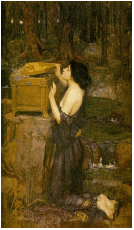
Pandora was the first woman, fashioned by Zeus as part of the punishment of mankind for Prometheus’ theft of the secret of fire.
The titan Epimetheus was responsible for giving a positive trait to each and every animal. However, when it was time to give man a positive trait, there was nothing left. Prometheus, his brother, felt that because man was superior to all other animals, man should have a gift no other animal possessed. So Prometheus set forth to steal fire from Zeus and gave it to man.
Zeus was extremely angry and decided to punish both Prometheus and his creation: mankind. To punish Prometheus, Zeus put his feet in unbreakable chains and set an eagle over him to eat his liver each day. To punish mankind, Zeus ordered the other gods to make Pandora as a poisoned gift for man. Pandora was given several traits from the different gods: Aphrodite gave her beauty; Apollo gave her musical talent and a gift for healing; Zeus made her lazy, mischievous1, and foolish; Hera gave her curiosity; Hermes gave her cunning, boldness and charm.
The most significant of these gifts, however, was a box, given to Pandora either by Hermes or Zeus. Before he was chained to the rock, Prometheus had warned Epimetheus not to take any gifts from the gods. Epimetheus did not listen to his brother, however, and when Pandora arrived, he fell in love with her. Hermes told him that Pandora was a gift to the titan from Zeus, and he warned Epimetheus not to open the box.
Until then, mankind had lived a life in a paradise without worry. Epimetheus told Pandora never to open the box she had received from Zeus. However, Pandora’s curiosity got the better of her and when she opened the box, all the misfortunes of mankind (plague, sorrow, poverty, crime, despair, greed etc.) quickly came out of it. She immediately closed it in time to keep one thing in it: hope. The world remained extremely unpleasant, hopeless, lacking in warmth or kindliness for an unspecified interval, until Pandora’s curiosity made her open the box again, at which point hope left the box. Thus, mankind always has hope in times of evil.
1mischievous – somebody who enjoys having fun by causing trouble.
2cunning – the use of clever methods to get what you want, especially methods that involve tricking or cheating people.
3boldness – confident and not afraid.
Internet: <en.wikipedia.org> (adapted).
Based on the text, judge the following item.
Before opening the box for the second time Pandora knew what was left in it.
Provas
Disciplina: Espanhol (Língua Espanhola)
Banca: CESPE / CEBRASPE
Orgão: UnB
Texto para lo ítem.
El mito de Pandora
En la mitología griega, Pandora fue la primera mujer, hecha por Zeus como parte de un castigo a Prometeo por haber revelado a la humanidad el secreto del fuego.
Epimeteo, hermano de Promete o, era el responsable de dar rasgos positivos a todos y cada uno de los animales. Sin embargo, cuando llega el turno del hombre no queda nada para darle. Prometeo, sintiendo que el hombre era superior al resto de los animales, decidió entregarle un don que ningún otro animal poseyera. De este modo, Prometeo decidió robar el fuego a Zeus y dárselo al hombre.
Zeus enfureció y creó a Pandora, la que recibió virtudes por diferentes dioses. Hefesto la moldeó de arcilla y le dio forma.
Prometeo advirtió a Epimeteo de no aceptar ningún regalo de los dioses, pero éste no escuchó a su hermano y aceptó a Pandora, enamorándose de ella y finalmente tomándola como esposa.
Hasta entonces, la humanidad había vivido una vida totalmente armoniosa en el mundo. Epimeteo pidió a Pandora que nunca abriera la caja que Zeus le había dado como regalo, pero un día, la curiosidad de Pandora pudo finalmente con ella y abrió la caja, liberando a todas las desgracias humanas (la vejez, la enfermedad, la fatiga, la locura, el vicio, la pasión, la plaga, la tristeza, la pobreza, el crimen y otras). Pandora cerró la caja justo antes de que la esperanza también saliera y el mundo vivió una época de desolación hasta que Pandora volvió a abrir la caja para liberar también a la esperanza.
Y corrió hacia los hombres a decirles que no estaba todo perdido que aún les quedaba la esperanza. Pirra, la hija de Epimeteo y Pandora, y su esposo Deucalión, hijo de Prometeo, fueron las dos únicas personas que sobrevivieron al diluvio que Zeus mandó sobre la humanidad para destruirla, en la versión griega del diluvio universal.
Internet: <es.wikipedia.org> (con adaptaciones).
Juzgue lo ítem siguiente, en conformidad con las ideas del texto.
Con el diluvio, Zeus consiguió destruir a toda la humanidad.
Provas
Texte pour le item.
Le mythe de Pandore
Dans la mythologie grecque, Pandore, qui signifie tous les dons, est la première femme. Elle a été créée sur l’ordre de Zeus, qui voulait se venger1 des hommes parce que Prométhée avait volé le feu du ciel. Pandore a été ainsi modelé dans de l’argile par Héphaïstos et Zeus a offert la main de Pandore à Épiméthée, le frère de Prométhée.
Zeus a remis à Pandore une boîte, en lui conseillant bien de ne jamais l’ouvrir; la boîte contenait tous les maux de l’humanité (notamment la vieillesse, le travail, la maladie, la folie, le vice et la passion, ainsi que l’espérance). Malgré la promesse faite à Prométhée de refuser les présents venant de Zeus, Épiméthée a accepté Pandore pour épouse.
Cédant à la curiosité, Pandore a ouvert la boîte: elle a libéré ainsi les fléaux , maladies et malheurs qu’elle contenait. Elle a refermé la boîte trop tard pour les retenir, et seule l’espérance, plus lente à réagir, y est restée enfermée.
On peut s’interroger sur le sens de ce mythe. Pourquoi l’espérance était dans une boîte contenant tous les maux de l’humanité? Parce que le terme grec elpís, qui se définit comme l’attente de quelque chose, a été traduit par espoir, sûrement à tort. Une meilleure traduction serait l’anticipation, ou la crainte3 irraisonnée. Grâce à la fermeture opportune de la boîte par Pandore, les hommes souffriront seulement des maux, pas de l’attente de ces maux. Ils ne vivront pas dans la crainte perpétuelle des maux à venir.
Un rapprochement de ce mythe peut être fait avec la chute d’Adam et Ève, dans l’Ancien Testament. Dans ces deux cas, c’est la femme, pourtant avertie (par Dieu dans la Bible, et, ici, par Zeus) qui commet une irrémédiable erreur.
1venger – réparer (une offense) en punissant l’offenseur; venger un affront dans le sang; laver.
2fléau – calamité, catastrophe, désastre, cataclysme.
3crainte – peur, angoisse, anxiété, appréhension, terreur, obsession.
Internet: <fr.wikipedia.org> (adapté).
En considérant les idées du texte, juge le proposition suivantes.
Quand Pandore a reçu la boîte de Zeus, celui-ci lui a demandé de l’ouvrir sur terre.
Provas
Texte pour le item.
Le mythe de Pandore
Dans la mythologie grecque, Pandore, qui signifie tous les dons, est la première femme. Elle a été créée sur l’ordre de Zeus, qui voulait se venger1 des hommes parce que Prométhée avait volé le feu du ciel. Pandore a été ainsi modelé dans de l’argile par Héphaïstos et Zeus a offert la main de Pandore à Épiméthée, le frère de Prométhée.
Zeus a remis à Pandore une boîte, en lui conseillant bien de ne jamais l’ouvrir; la boîte contenait tous les maux de l’humanité (notamment la vieillesse, le travail, la maladie, la folie, le vice et la passion, ainsi que l’espérance). Malgré la promesse faite à Prométhée de refuser les présents venant de Zeus, Épiméthée a accepté Pandore pour épouse.
Cédant à la curiosité, Pandore a ouvert la boîte: elle a libéré ainsi les fléaux , maladies et malheurs qu’elle contenait. Elle a refermé la boîte trop tard pour les retenir, et seule l’espérance, plus lente à réagir, y est restée enfermée.
On peut s’interroger sur le sens de ce mythe. Pourquoi l’espérance était dans une boîte contenant tous les maux de l’humanité? Parce que le terme grec elpís, qui se définit comme l’attente de quelque chose, a été traduit par espoir, sûrement à tort. Une meilleure traduction serait l’anticipation, ou la crainte3 irraisonnée. Grâce à la fermeture opportune de la boîte par Pandore, les hommes souffriront seulement des maux, pas de l’attente de ces maux. Ils ne vivront pas dans la crainte perpétuelle des maux à venir.
Un rapprochement de ce mythe peut être fait avec la chute d’Adam et Ève, dans l’Ancien Testament. Dans ces deux cas, c’est la femme, pourtant avertie (par Dieu dans la Bible, et, ici, par Zeus) qui commet une irrémédiable erreur.
1venger – réparer (une offense) en punissant l’offenseur; venger un affront dans le sang; laver.
2fléau – calamité, catastrophe, désastre, cataclysme.
3crainte – peur, angoisse, anxiété, appréhension, terreur, obsession.
Internet: <fr.wikipedia.org> (adapté).
En considérant les idées du texte, juge le proposition suivantes.
Dans la mythologie grecque, c’est avec du feu qu’Héphaïstos a modelé la première femme.
Provas
Disciplina: Espanhol (Língua Espanhola)
Banca: CESPE / CEBRASPE
Orgão: UnB
Texto para lo ítem.
El mito de Pandora
En la mitología griega, Pandora fue la primera mujer, hecha por Zeus como parte de un castigo a Prometeo por haber revelado a la humanidad el secreto del fuego.
Epimeteo, hermano de Promete o, era el responsable de dar rasgos positivos a todos y cada uno de los animales. Sin embargo, cuando llega el turno del hombre no queda nada para darle. Prometeo, sintiendo que el hombre era superior al resto de los animales, decidió entregarle un don que ningún otro animal poseyera. De este modo, Prometeo decidió robar el fuego a Zeus y dárselo al hombre.
Zeus enfureció y creó a Pandora, la que recibió virtudes por diferentes dioses. Hefesto la moldeó de arcilla y le dio forma.
Prometeo advirtió a Epimeteo de no aceptar ningún regalo de los dioses, pero éste no escuchó a su hermano y aceptó a Pandora, enamorándose de ella y finalmente tomándola como esposa.
Hasta entonces, la humanidad había vivido una vida totalmente armoniosa en el mundo. Epimeteo pidió a Pandora que nunca abriera la caja que Zeus le había dado como regalo, pero un día, la curiosidad de Pandora pudo finalmente con ella y abrió la caja, liberando a todas las desgracias humanas (la vejez, la enfermedad, la fatiga, la locura, el vicio, la pasión, la plaga, la tristeza, la pobreza, el crimen y otras). Pandora cerró la caja justo antes de que la esperanza también saliera y el mundo vivió una época de desolación hasta que Pandora volvió a abrir la caja para liberar también a la esperanza.
Y corrió hacia los hombres a decirles que no estaba todo perdido que aún les quedaba la esperanza. Pirra, la hija de Epimeteo y Pandora, y su esposo Deucalión, hijo de Prometeo, fueron las dos únicas personas que sobrevivieron al diluvio que Zeus mandó sobre la humanidad para destruirla, en la versión griega del diluvio universal.
Internet: <es.wikipedia.org> (con adaptaciones).
Juzgue lo ítem siguiente, en conformidad con las ideas del texto.
Antes que se abriese la caja de Pandora los hombres vivían en paz.
Provas
Text for item.
Pandora was the first woman, fashioned by Zeus as part of the punishment of mankind for Prometheus’ theft of the secret of fire.
The titan Epimetheus was responsible for giving a positive trait to each and every animal. However, when it was time to give man a positive trait, there was nothing left. Prometheus, his brother, felt that because man was superior to all other animals, man should have a gift no other animal possessed. So Prometheus set forth to steal fire from Zeus and gave it to man.
Zeus was extremely angry and decided to punish both Prometheus and his creation: mankind. To punish Prometheus, Zeus put his feet in unbreakable chains and set an eagle over him to eat his liver each day. To punish mankind, Zeus ordered the other gods to make Pandora as a poisoned gift for man. Pandora was given several traits from the different gods: Aphrodite gave her beauty; Apollo gave her musical talent and a gift for healing; Zeus made her lazy, mischievous1, and foolish; Hera gave her curiosity; Hermes gave her cunning, boldness and charm.
The most significant of these gifts, however, was a box, given to Pandora either by Hermes or Zeus. Before he was chained to the rock, Prometheus had warned Epimetheus not to take any gifts from the gods. Epimetheus did not listen to his brother, however, and when Pandora arrived, he fell in love with her. Hermes told him that Pandora was a gift to the titan from Zeus, and he warned Epimetheus not to open the box.
Until then, mankind had lived a life in a paradise without worry. Epimetheus told Pandora never to open the box she had received from Zeus. However, Pandora’s curiosity got the better of her and when she opened the box, all the misfortunes of mankind (plague, sorrow, poverty, crime, despair, greed etc.) quickly came out of it. She immediately closed it in time to keep one thing in it: hope. The world remained extremely unpleasant, hopeless, lacking in warmth or kindliness for an unspecified interval, until Pandora’s curiosity made her open the box again, at which point hope left the box. Thus, mankind always has hope in times of evil.
1mischievous – somebody who enjoys having fun by causing trouble.
2cunning – the use of clever methods to get what you want, especially methods that involve tricking or cheating people.
3boldness – confident and not afraid.
Internet: <en.wikipedia.org> (adapted).
Based on the text, judge the following item.
The story of Pandora can be correctly called a legend according to the text Myths and Legends.
Provas
Text for item.
Pandora was the first woman, fashioned by Zeus as part of the punishment of mankind for Prometheus’ theft of the secret of fire.
The titan Epimetheus was responsible for giving a positive trait to each and every animal. However, when it was time to give man a positive trait, there was nothing left. Prometheus, his brother, felt that because man was superior to all other animals, man should have a gift no other animal possessed. So Prometheus set forth to steal fire from Zeus and gave it to man.
Zeus was extremely angry and decided to punish both Prometheus and his creation: mankind. To punish Prometheus, Zeus put his feet in unbreakable chains and set an eagle over him to eat his liver each day. To punish mankind, Zeus ordered the other gods to make Pandora as a poisoned gift for man. Pandora was given several traits from the different gods: Aphrodite gave her beauty; Apollo gave her musical talent and a gift for healing; Zeus made her lazy, mischievous1, and foolish; Hera gave her curiosity; Hermes gave her cunning, boldness and charm.
The most significant of these gifts, however, was a box, given to Pandora either by Hermes or Zeus. Before he was chained to the rock, Prometheus had warned Epimetheus not to take any gifts from the gods. Epimetheus did not listen to his brother, however, and when Pandora arrived, he fell in love with her. Hermes told him that Pandora was a gift to the titan from Zeus, and he warned Epimetheus not to open the box.
Until then, mankind had lived a life in a paradise without worry. Epimetheus told Pandora never to open the box she had received from Zeus. However, Pandora’s curiosity got the better of her and when she opened the box, all the misfortunes of mankind (plague, sorrow, poverty, crime, despair, greed etc.) quickly came out of it. She immediately closed it in time to keep one thing in it: hope. The world remained extremely unpleasant, hopeless, lacking in warmth or kindliness for an unspecified interval, until Pandora’s curiosity made her open the box again, at which point hope left the box. Thus, mankind always has hope in times of evil.
1mischievous – somebody who enjoys having fun by causing trouble.
2cunning – the use of clever methods to get what you want, especially methods that involve tricking or cheating people.
3boldness – confident and not afraid.
Internet: <en.wikipedia.org> (adapted).
Based on the text, judge the following item.
The text explains the origin of misfortunes in the world.
Provas
Disciplina: Espanhol (Língua Espanhola)
Banca: CESPE / CEBRASPE
Orgão: UnB
Texto para lo ítem.
El mito de Pandora
En la mitología griega, Pandora fue la primera mujer, hecha por Zeus como parte de un castigo a Prometeo por haber revelado a la humanidad el secreto del fuego.
Epimeteo, hermano de Promete o, era el responsable de dar rasgos positivos a todos y cada uno de los animales. Sin embargo, cuando llega el turno del hombre no queda nada para darle. Prometeo, sintiendo que el hombre era superior al resto de los animales, decidió entregarle un don que ningún otro animal poseyera. De este modo, Prometeo decidió robar el fuego a Zeus y dárselo al hombre.
Zeus enfureció y creó a Pandora, la que recibió virtudes por diferentes dioses. Hefesto la moldeó de arcilla y le dio forma.
Prometeo advirtió a Epimeteo de no aceptar ningún regalo de los dioses, pero éste no escuchó a su hermano y aceptó a Pandora, enamorándose de ella y finalmente tomándola como esposa.
Hasta entonces, la humanidad había vivido una vida totalmente armoniosa en el mundo. Epimeteo pidió a Pandora que nunca abriera la caja que Zeus le había dado como regalo, pero un día, la curiosidad de Pandora pudo finalmente con ella y abrió la caja, liberando a todas las desgracias humanas (la vejez, la enfermedad, la fatiga, la locura, el vicio, la pasión, la plaga, la tristeza, la pobreza, el crimen y otras). Pandora cerró la caja justo antes de que la esperanza también saliera y el mundo vivió una época de desolación hasta que Pandora volvió a abrir la caja para liberar también a la esperanza.
Y corrió hacia los hombres a decirles que no estaba todo perdido que aún les quedaba la esperanza. Pirra, la hija de Epimeteo y Pandora, y su esposo Deucalión, hijo de Prometeo, fueron las dos únicas personas que sobrevivieron al diluvio que Zeus mandó sobre la humanidad para destruirla, en la versión griega del diluvio universal.
Internet: <es.wikipedia.org> (con adaptaciones).
Juzgue lo ítem siguiente, en conformidad con las ideas del texto.
Cuando Pandora abrió la caja la profecía de Prometeo de que Zeus castigaría a la humanidad se volvió realidad.
Provas
Caderno Container