Foram encontradas 378 questões.
Texte pour le item.
Mythologie amérindienne
En débarquant en Amérique, les Européens rencontrent des peuples étranges, aux coutumes singulières, qu’ils nomment “Indiens” parce qu’on pensait découvrir les Indes. Après, afin d’éviter la confusion avec l’Inde, on les appelle les indiens d’Amérique ou amérindiens.
Les mythologies amérindiennes sont constituées d’un ensemble complexe de coutumes sociales et culturelles qui permettent d’établir une relation avec le sacré et le surnaturel. Leurs mythes sont aussi nombreux que les différentes nations indiennes qui habitent le continent. Chaque tribu a sa propre interprétation du monde surnaturel et de la place qu’occupe chaque individu. Toute tentative de lister, dans un panthéon unique, les divinités vénérées par les diverses tribus amérindiennes, sera indubitablement pleine de lacunes inexplicables et de détails contradictoires.
Le monde des Indiens américains n’est pas uniquement habité par des hommes ou des animaux, mais aussi par une force magique invisible qui réside dans chaque aspect de la nature (minéral, végétal ou animal). Souvent cette force magique prend la forme d’esprits associés à certains animaux ou végétaux. C’est pourquoi la plupart des divinités amérindiennes sont associées ou à un aspect particulier de la nature, ou à un animal, ou à un phénomène climatique. La plupart des tribus pensent qu’il y a un monde supérieur, où les plus grands esprits résident.
Internet: <grenier2clio.free.fr> (adapté).
D’après le texte, jugez le proposition ci-dessous.
Le texte affirme que le sacré et le surnaturel sont listés dans un panthéon unique amérindien.
Provas

William Tell
William Tell was a legendary hero of disputed historical authenticity. People say he lived in the state of Uri in Switzerland in the early 14th century.
He was an expert at shooting with the crossbow (similar to a bow1 and arrow, but held flat). At the time, the Habsburg emperors wanted to dominate Uri. Hermann Gessler, the Austrian president of the town council raised a pole in the central square of the village with his hat on top and demanded that all the local people bow2 before it. As Tell passed by without bowing, he was arrested. He received the punishment of being forced to shoot an apple off the head of his son, Walter, or else both would be executed.
Tell had been promised freedom if he shot the apple. On November 18, 1307, Tell divided the fruit with only one bolt from his crossbow, without a minor mistake or accident. When Gessler asked him about the purpose of the second arrow in his case, Tell answered that, if he had ended up killing his son in that trial, he would have turned the crossbow on him. Gessler was furious at that comment. He had Tell’s hands and feet tied together and brought him to his ship to be taken to his castle at Küssnacht. In a storm on Lake Lucerne, Tell managed to escape. On land, he went to Küssnacht, and when Gessler arrived, he shot him with a crossbow bolt3.
This refusal to obey an order of the Austrian officer started a rebellion, leading to the formation of the Old Swiss Confederacy.
1bow – noun: a weapon made from a long curved piece of wood, used for shooting arrows.
2bow – verb: to bend your body forward from the waist, especially to show respect for someone.
3bolt – a short heavy pointed stick that you shoot from a crossbow.
Internet: <en.wikipedia.org> (adapted).
According to the text, William Tell
was sure that he wouldn’t miss the apple and hurt his son.
Provas
Disciplina: Espanhol (Língua Espanhola)
Banca: CESPE / CEBRASPE
Orgão: UnB
Un mundo de leyendas

Las tierras conocidas no bastan a los hombres; siempre se proyectan los anhelos de fantasía y de aventura o las ilusiones de felicidad en territorios lejanos, misteriosos, iluminados por soles remotos y poblados de prodigios.
En el Nuevo Mundo, con la conquista de América, se produce la oportunidad de colocar algunos de los espacios acogedores de mitos y maravillas de la Antigüedad: allí estarán la tierra de las Amazonas, la fabulosa ciudad de Eldorado, las siete ciudades de Cíbola, o la fuente de la eterna juventud.
Cuenta la leyenda que el conquistador español Ponce de León — ya muy viejo y enfermo — buscó afanosamente la fuente de la juventud que se decía estaba en una isla desconocida de nombre Bímini. En sus expediciones encontró lo que es hoy Florida, sin embargo murió sin poderse bañar en las milagrosas aguas que le devolverían fuerzas y juventud.
Internet: <www.factoriaurbana.net> (con adaptaciones).
Juzgue lo ítem siguiente, a partir de las ideas del texto.
América sirvió de escenario para desarrollar algunas de las leyendas conocidas en la Antigüedad.
Provas
William Tell
William Tell was a legendary hero of disputed historical authenticity. People say he lived in the state of Uri in Switzerland in the early 14th century.
He was an expert at shooting with the crossbow (similar to a bow1 and arrow, but held flat). At the time, the Habsburg emperors wanted to dominate Uri. Hermann Gessler, the Austrian president of the town council raised a pole in the central square of the village with his hat on top and demanded that all the local people bow2 before it. As Tell passed by without bowing, he was arrested. He received the punishment of being forced to shoot an apple off the head of his son, Walter, or else both would be executed.
Tell had been promised freedom if he shot the apple. On November 18, 1307, Tell divided the fruit with only one bolt from his crossbow, without a minor mistake or accident. When Gessler asked him about the purpose of the second arrow in his case, Tell answered that, if he had ended up killing his son in that trial, he would have turned the crossbow on him. Gessler was furious at that comment. He had Tell’s hands and feet tied together and brought him to his ship to be taken to his castle at Küssnacht. In a storm on Lake Lucerne, Tell managed to escape. On land, he went to Küssnacht, and when Gessler arrived, he shot him with a crossbow bolt3.
This refusal to obey an order of the Austrian officer started a rebellion, leading to the formation of the Old Swiss Confederacy.
1bow – noun: a weapon made from a long curved piece of wood, used for shooting arrows.
2bow – verb: to bend your body forward from the waist, especially to show respect for someone.
3bolt – a short heavy pointed stick that you shoot from a crossbow.
Internet: <en.wikipedia.org> (adapted).
According to the text, William Tell
was arrested for not obeying an order.
Provas
Texte pour le item.
Mythologie amérindienne
En débarquant en Amérique, les Européens rencontrent des peuples étranges, aux coutumes singulières, qu’ils nomment “Indiens” parce qu’on pensait découvrir les Indes. Après, afin d’éviter la confusion avec l’Inde, on les appelle les indiens d’Amérique ou amérindiens.
Les mythologies amérindiennes sont constituées d’un ensemble complexe de coutumes sociales et culturelles qui permettent d’établir une relation avec le sacré et le surnaturel. Leurs mythes sont aussi nombreux que les différentes nations indiennes qui habitent le continent. Chaque tribu a sa propre interprétation du monde surnaturel et de la place qu’occupe chaque individu. Toute tentative de lister, dans un panthéon unique, les divinités vénérées par les diverses tribus amérindiennes, sera indubitablement pleine de lacunes inexplicables et de détails contradictoires.
Le monde des Indiens américains n’est pas uniquement habité par des hommes ou des animaux, mais aussi par une force magique invisible qui réside dans chaque aspect de la nature (minéral, végétal ou animal). Souvent cette force magique prend la forme d’esprits associés à certains animaux ou végétaux. C’est pourquoi la plupart des divinités amérindiennes sont associées ou à un aspect particulier de la nature, ou à un animal, ou à un phénomène climatique. La plupart des tribus pensent qu’il y a un monde supérieur, où les plus grands esprits résident.
Internet: <grenier2clio.free.fr> (adapté).
D’après le texte, jugez le proposition ci-dessous.
Selon le texte, les Européens rencontrent des peuples étranges, quand ils arrivent en Inde.
Provas
Disciplina: Espanhol (Língua Espanhola)
Banca: CESPE / CEBRASPE
Orgão: UnB
Un mundo de leyendas
Las tierras conocidas no bastan a los hombres; siempre se proyectan los anhelos de fantasía y de aventura o las ilusiones de felicidad en territorios lejanos, misteriosos, iluminados por soles remotos y poblados de prodigios.
En el Nuevo Mundo, con la conquista de América, se produce la oportunidad de colocar algunos de los espacios acogedores de mitos y maravillas de la Antigüedad: allí estarán la tierra de las Amazonas, la fabulosa ciudad de Eldorado, las siete ciudades de Cíbola, o la fuente de la eterna juventud.
Cuenta la leyenda que el conquistador español Ponce de León — ya muy viejo y enfermo — buscó afanosamente la fuente de la juventud que se decía estaba en una isla desconocida de nombre Bímini. En sus expediciones encontró lo que es hoy Florida, sin embargo murió sin poderse bañar en las milagrosas aguas que le devolverían fuerzas y juventud.
Internet: <www.factoriaurbana.net> (con adaptaciones).
Juzgue lo ítem siguiente, a partir de las ideas del texto.
Según el texto, Ponce de León murió creyendo que había encontrado la fuente de la juventud, donde hoy en día está Florida.
Provas
Texte pour le item.
Mythologie amérindienne
En débarquant en Amérique, les Européens rencontrent des peuples étranges, aux coutumes singulières, qu’ils nomment “Indiens” parce qu’on pensait découvrir les Indes. Après, afin d’éviter la confusion avec l’Inde, on les appelle les indiens d’Amérique ou amérindiens.
Les mythologies amérindiennes sont constituées d’un ensemble complexe de coutumes sociales et culturelles qui permettent d’établir une relation avec le sacré et le surnaturel. Leurs mythes sont aussi nombreux que les différentes nations indiennes qui habitent le continent. Chaque tribu a sa propre interprétation du monde surnaturel et de la place qu’occupe chaque individu. Toute tentative de lister, dans un panthéon unique, les divinités vénérées par les diverses tribus amérindiennes, sera indubitablement pleine de lacunes inexplicables et de détails contradictoires.
Le monde des Indiens américains n’est pas uniquement habité par des hommes ou des animaux, mais aussi par une force magique invisible qui réside dans chaque aspect de la nature (minéral, végétal ou animal). Souvent cette force magique prend la forme d’esprits associés à certains animaux ou végétaux. C’est pourquoi la plupart des divinités amérindiennes sont associées ou à un aspect particulier de la nature, ou à un animal, ou à un phénomène climatique. La plupart des tribus pensent qu’il y a un monde supérieur, où les plus grands esprits résident.
Internet: <grenier2clio.free.fr> (adapté).
D’après le texte, jugez le proposition ci-dessous.
La mythologie amérindienne est très variée et complexe, parce que les tribus ont leurs propres mythes.
Provas
William Tell
William Tell was a legendary hero of disputed historical authenticity. People say he lived in the state of Uri in Switzerland in the early 14th century.
He was an expert at shooting with the crossbow (similar to a bow1 and arrow, but held flat). At the time, the Habsburg emperors wanted to dominate Uri. Hermann Gessler, the Austrian president of the town council raised a pole in the central square of the village with his hat on top and demanded that all the local people bow2 before it. As Tell passed by without bowing, he was arrested. He received the punishment of being forced to shoot an apple off the head of his son, Walter, or else both would be executed.
Tell had been promised freedom if he shot the apple. On November 18, 1307, Tell divided the fruit with only one bolt from his crossbow, without a minor mistake or accident. When Gessler asked him about the purpose of the second arrow in his case, Tell answered that, if he had ended up killing his son in that trial, he would have turned the crossbow on him. Gessler was furious at that comment. He had Tell’s hands and feet tied together and brought him to his ship to be taken to his castle at Küssnacht. In a storm on Lake Lucerne, Tell managed to escape. On land, he went to Küssnacht, and when Gessler arrived, he shot him with a crossbow bolt3.
This refusal to obey an order of the Austrian officer started a rebellion, leading to the formation of the Old Swiss Confederacy.
1bow – noun: a weapon made from a long curved piece of wood, used for shooting arrows.
2bow – verb: to bend your body forward from the waist, especially to show respect for someone.
3bolt – a short heavy pointed stick that you shoot from a crossbow.
Internet: <en.wikipedia.org> (adapted).
According to the text, William Tell
contributed, in a way, to the formation of the Old Swiss Confederacy.
Provas
Disciplina: Espanhol (Língua Espanhola)
Banca: CESPE / CEBRASPE
Orgão: UnB
Texto para lo ítem.
El mito de Pandora
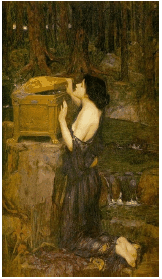
En la mitología griega, Pandora fue la primera mujer, hecha por Zeus como parte de un castigo a Prometeo por haber revelado a la humanidad el secreto del fuego.
Epimeteo, hermano de Promete o, era el responsable de dar rasgos positivos a todos y cada uno de los animales. Sin embargo, cuando llega el turno del hombre no queda nada para darle. Prometeo, sintiendo que el hombre era superior al resto de los animales, decidió entregarle un don que ningún otro animal poseyera. De este modo, Prometeo decidió robar el fuego a Zeus y dárselo al hombre.
Zeus enfureció y creó a Pandora, la que recibió virtudes por diferentes dioses. Hefesto la moldeó de arcilla y le dio forma.
Prometeo advirtió a Epimeteo de no aceptar ningún regalo de los dioses, pero éste no escuchó a su hermano y aceptó a Pandora, enamorándose de ella y finalmente tomándola como esposa.
Hasta entonces, la humanidad había vivido una vida totalmente armoniosa en el mundo. Epimeteo pidió a Pandora que nunca abriera la caja que Zeus le había dado como regalo, pero un día, la curiosidad de Pandora pudo finalmente con ella y abrió la caja, liberando a todas las desgracias humanas (la vejez, la enfermedad, la fatiga, la locura, el vicio, la pasión, la plaga, la tristeza, la pobreza, el crimen y otras). Pandora cerró la caja justo antes de que la esperanza también saliera y el mundo vivió una época de desolación hasta que Pandora volvió a abrir la caja para liberar también a la esperanza.
Y corrió hacia los hombres a decirles que no estaba todo perdido que aún les quedaba la esperanza. Pirra, la hija de Epimeteo y Pandora, y su esposo Deucalión, hijo de Prometeo, fueron las dos únicas personas que sobrevivieron al diluvio que Zeus mandó sobre la humanidad para destruirla, en la versión griega del diluvio universal.
Internet: <es.wikipedia.org> (con adaptaciones).
En cuanto a estructura lingüística del texto, juzgue lo próximo ítem.
La forma verbal “abriera” puede sustituirse por la forma abriese sin alterar el sentido ni la corrección gramatical.
Provas
Text for item.
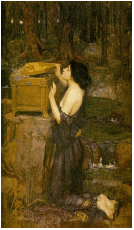
Pandora was the first woman, fashioned by Zeus as part of the punishment of mankind for Prometheus’ theft of the secret of fire.
The titan Epimetheus was responsible for giving a positive trait to each and every animal. However, when it was time to give man a positive trait, there was nothing left. Prometheus, his brother, felt that because man was superior to all other animals, man should have a gift no other animal possessed. So Prometheus set forth to steal fire from Zeus and gave it to man.
Zeus was extremely angry and decided to punish both Prometheus and his creation: mankind. To punish Prometheus, Zeus put his feet in unbreakable chains and set an eagle over him to eat his liver each day. To punish mankind, Zeus ordered the other gods to make Pandora as a poisoned gift for man. Pandora was given several traits from the different gods: Aphrodite gave her beauty; Apollo gave her musical talent and a gift for healing; Zeus made her lazy, mischievous1, and foolish; Hera gave her curiosity; Hermes gave her cunning, boldness and charm.
The most significant of these gifts, however, was a box, given to Pandora either by Hermes or Zeus. Before he was chained to the rock, Prometheus had warned Epimetheus not to take any gifts from the gods. Epimetheus did not listen to his brother, however, and when Pandora arrived, he fell in love with her. Hermes told him that Pandora was a gift to the titan from Zeus, and he warned Epimetheus not to open the box.
Until then, mankind had lived a life in a paradise without worry. Epimetheus told Pandora never to open the box she had received from Zeus. However, Pandora’s curiosity got the better of her and when she opened the box, all the misfortunes of mankind (plague, sorrow, poverty, crime, despair, greed etc.) quickly came out of it. She immediately closed it in time to keep one thing in it: hope. The world remained extremely unpleasant, hopeless, lacking in warmth or kindliness for an unspecified interval, until Pandora’s curiosity made her open the box again, at which point hope left the box. Thus, mankind always has hope in times of evil.
1mischievous – somebody who enjoys having fun by causing trouble.
2cunning – the use of clever methods to get what you want, especially methods that involve tricking or cheating people.
3boldness – confident and not afraid.
Internet: <en.wikipedia.org> (adapted).
Based on the text, judge the following item.
“told” can be replaced by had been telling without any change in meaning.
Provas
Caderno Container