Foram encontradas 1.145 questões.
278756
Ano: 2010
Disciplina: Engenharia de Produção
Banca: CESGRANRIO
Orgão: BR Distribuidora
Disciplina: Engenharia de Produção
Banca: CESGRANRIO
Orgão: BR Distribuidora
Provas:
As organizações são diferentes umas das outras, mas compartilham semelhanças. Cada organização adota um modelo que representa um conjunto de características que explicam a estrutura e o comportamento das pessoas. A esse respeito, no modelo orgânico,
Provas
Questão presente nas seguintes provas

278665
Ano: 2010
Disciplina: Engenharia de Produção
Banca: CESGRANRIO
Orgão: BR Distribuidora
Disciplina: Engenharia de Produção
Banca: CESGRANRIO
Orgão: BR Distribuidora
Provas:
Simular significa representar. No contexto empresarial, simular um sistema significa fazer com que esse sistema possa operar como um sistema real, com objetivo de estudar suas propriedades. Uma ferramenta bastante conhecida para simulação é o Método de Monte Carlo, que consiste em
Provas
Questão presente nas seguintes provas
278654
Ano: 2010
Disciplina: Engenharia de Produção
Banca: CESGRANRIO
Orgão: BR Distribuidora
Disciplina: Engenharia de Produção
Banca: CESGRANRIO
Orgão: BR Distribuidora
Provas:
A eutrofização é um processo natural dentro da sucessão ecológica dos ecossistemas que pode ser acelerado pela intervenção humana. Dentre as características apresentadas por um lago eutrófico, têm-se
Provas
Questão presente nas seguintes provas
278648
Ano: 2010
Disciplina: Engenharia Ambiental e Sanitária
Banca: CESGRANRIO
Orgão: BR Distribuidora
Disciplina: Engenharia Ambiental e Sanitária
Banca: CESGRANRIO
Orgão: BR Distribuidora
Provas:
Considere o texto e o diagrama a seguir para responder à questão.
As propriedades termodinâmicas da mistura do ar seco com o vapor d’água, constituintes do ar atmosférico, podem ser convenientemente apresentadas em forma de diagramas, denominados Cartas Psicrométricas, que são construídas para determinada pressão atmosférica, embora, às vezes, haja curvas de correção disponível para outras pressões.
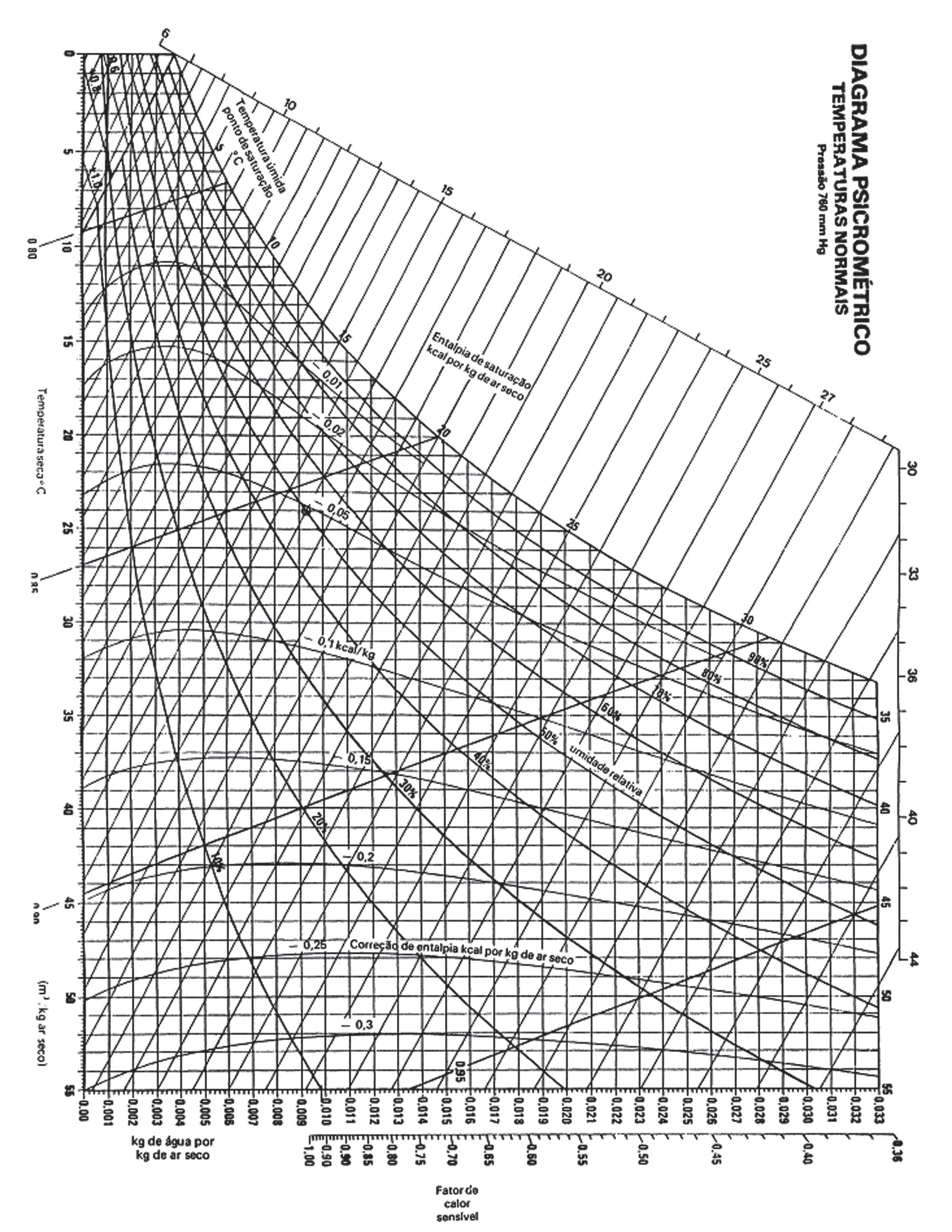
Razões de conforto aconselham que, quando a temperatura do ar atmosférico for igual a 42 ºC, sua umidade relativa seja de 20%. Nessas condições, a razão de mistura, em gramas de vapor d’ água por quilograma de ar seco, é
Provas
Questão presente nas seguintes provas
278639
Ano: 2010
Disciplina: Inglês (Língua Inglesa)
Banca: CESGRANRIO
Orgão: BR Distribuidora
Disciplina: Inglês (Língua Inglesa)
Banca: CESGRANRIO
Orgão: BR Distribuidora
Provas:
Happy 150th, Oil! So Long, and Thanks for Modern Civilization
By Alexis Madrigal
WIRED SCIENCE, August 27, 2009
WIRED SCIENCE, August 27, 2009
One hundred and fifty years ago on Aug. 27, Colonel Edwin L. Drake sunk the very first commercial well that produced flowing petroleum. The discovery that large amounts of oil could be found underground marked the beginning of a time during which this convenient fossil fuel became America’s dominant energy source.
But what began 150 years ago won’t last another 150 years — or even another 50. The era of cheap oil is ending, and with another energy transition upon us, we’ve got to extract all the lessons we can from its remarkable history.
“I would see this as less of an anniversary to note for celebration and more of an anniversary to note how far we’ve come and the serious moment that we’re at right now,” said Brian Black, an energy historian at Pennsylvania State University. “Energy transitions happen and I argue that we’re in one right now. Thus, we need to aggressively look to the future to what’s going to happen after petroleum.”
When Drake and others sunk their wells, there were no cars, no plastics, no chemical industry. Water power was the dominant industrial energy source. Steam engines burning coal were on the rise, but the nation’s energy system — unlike Great Britain’s — still used fossil fuels sparingly. The original role for oil was as an illuminant, not a motor fuel, which would come decades later.
Oil, people later found, was uniquely convenient. To equal the amount of energy in a tank of gasoline, you need 200 pounds of wood. Pair that energy density with stability under most conditions and that, as a liquid, it was easy to transport, and you have the killer application for the infrastructure age.
In a world that only had a tiny fraction of the amount of heat, light, and power available that we do now, people came up with all kinds of ideas for what to do with oil’s energy: cars, tractors, airplanes, chemicals, fertilizer, and plastic.
The scale of the oil industry is astounding, but it’s becoming clear the world’s oil supply will peak soon, or perhaps has peaked already. People discuss about the details, but no one argues that oil will play a much different role in our energy system in 50 years than it did in 1959.
The search for alternatives is on. If that search goes poorly — as some Peak Oil analysts predict — human civilization will fall off an energy cliff. The amount of energy we get back from drilling oil wells in the middle of the Gulf of Mexico continues to drop, and alternative sources don’t provide usable energy for humans on the generous terms that oil long has.
Yet humans with an economic incentive to be optimistic become optimists, and the harder we look, the more possible alternatives we find. The big question now is whether the cure for our oil addiction will come with a heavy carbon side effect.
Over the next 20 years, synthetic fuels made from coal or shale oil could conceivably become the fuels of the future. On the other hand, so could advanced biofuels from cellulosic ethanol or algae. Or the era of fuel could end and electric vehicles could be deployed in mass, at least in rich countries.
With the massive injection of stimulus and venture capital money into alternative energy that’s occurred over the past few years, the solutions for replacing oil could already be circulating among the labs and office parks of the country. To paraphrase technology expert Clay Shirky talking about the media, nothing will work to replace oil, but everything might.
If history tells us anything, it’s that energy sources can change, never tomorrow, but always some day.
“What is required is to operate without fear and to take energy transitions on as a developmental opportunity,” Black said.
slightly adapted from: http://www.wired.com/wiredscience/
2009/08/oilat150/#ixzz0gW1mC0Zm, access on Feb. 10, 2010.
According to Brian Black in paragraphs 3 (lines 6-8) and 13 (lines 32), energy transitions should be
Provas
Questão presente nas seguintes provas
O ecossistema amazônico apresenta diversas formações vegetais que ocupam, ao todo, quase a metade do território brasileiro. A respeito da formação vegetal conhecida como campinarana, existente no ecossistema amazônico, é sabido que
Provas
Questão presente nas seguintes provas
Apesar de o sistema de iluminação zenital oferecer maior uniformidade e iluminação média sobre a área de trabalho, sua escolha e adoção representam o desafio atual do arquiteto.
Ao optar por esse sistema, um arquiteto considerou vários aspectos e várias relações técnicas adequados, EXCETO que
Provas
Questão presente nas seguintes provas
Considere as informações a seguir para responder à questão.
Em uma certa obra, serão executados 500 m² de azulejamento, cujo orçamento foi feito com base na CPU abaixo.
CPU: Azulejo sobre emboço (m²)
| Insumo | Un. | Qde. | R$ Unit. | Total |
| Azulejo | m | 1,10 | 20,00 | |
|
Argamassa Colante (pré-fabricada) |
kg | 3,00 | 0,50 | |
| Rejunte | kg | 0,25 | 2,00 | |
| Azulejista | h | 0,40 | 5,00 | |
| Servente | h | 0,40 | 2,50 | |
| Encargos (100%) | ||||
| Total |
Complete a CPU, quando necessário.
Qual o custo total previsto de mão de obra por m², em reais, incluindo os encargos?
Qual o custo total previsto de mão de obra por m², em reais, incluindo os encargos?
Provas
Questão presente nas seguintes provas
278608
Ano: 2010
Disciplina: Engenharia de Produção
Banca: CESGRANRIO
Orgão: BR Distribuidora
Disciplina: Engenharia de Produção
Banca: CESGRANRIO
Orgão: BR Distribuidora
Provas:
Uma empresa possui uma linha de lubrificantes que conta com mais de 120 produtos para uso automotivo, industrial, marítimo e ferroviário, além de produtos especiais como graxas e fluidos para freios e radiadores. Considerando-se que recentemente a empresa lançou novos produtos para a impermeabilização residencial destinados à construção civil, e que a matriz produto/mercado de Ansoff apoiou a decisão de crescimento, a estratégia adotada foi a de
Provas
Questão presente nas seguintes provas
278603
Ano: 2010
Disciplina: Inglês (Língua Inglesa)
Banca: CESGRANRIO
Orgão: BR Distribuidora
Disciplina: Inglês (Língua Inglesa)
Banca: CESGRANRIO
Orgão: BR Distribuidora
Provas:
Fossil Fuels
The twentieth century has been called the hydrocarbon century due to the abundance of fossil fuels, and their contribution to human development. Fossil fuels were formed over millions of years by the decomposing remains of plants and animals under immense heat and pressure. This process resulted in energy laden fuels coal, petroleum, and natural gas, which together have generated most of the energy consumed globally for over a century, paving the way for continued advancement and new inventions.
Fossil fuels are currently the most economically available source of power for both personal and commercial uses. Petroleum fuels our cars and thirst for plastics, while natural gas and coal heat and electrify our homes. Mass transportation is also largely propelled by fossil fuels. In 2005, more than 3/4 of total world energy consumption was through the use of fossil fuels. Petroleum led with over 43.4 percent of the world’s total energy consumption, followed by natural gas (15.6 percent) and coal (8.3 percent). North America is the largest consumer of fossil fuels, utilizing nearly 25 percent of the world’s resources.
Long thought to be inexhaustible, fossil fuels have been used extensively since the Industrial Revolution. However, many believe that the world is using fossil fuels at an unsustainable rate. Some experts believe that the world has already reached its peak for oil extraction and production, and that it is only a matter of time before natural gas and coal follow suit. These near-term concerns about oil supply have led to increasing focus on, and exploration of, alternative sources of petroleum, such as in tar sands and oil shale.
To release their stored energy, fossil fuels must be burned. It is during this combustion process that a variety of emissions and particulates, including ash, are released into the atmosphere. Primary releases are sulfur, nitrogen, and carbon, which can be harmful to the environment. They can combine with water vapor in the air to form acidic compounds that create acid rain, and burning fossil fuels releases carbon dioxide, a greenhouse gas that scientists believe is key factor in global climate change.
There are also environmental risks associated with extracting, transporting, and utilizing fossil fuels. Mining for coal and drilling for oil are especially hazardous because the digging of massive mines and wells can change the surrounding landscapes and bring massive amounts of salt water to the surface which can damage nearby ecosystems without proper treatment and sequestration. Natural gas extraction is somewhat safer, but can also be hazardous. While there are regulations in place that attempts to minimize the risks, it is impossible to eliminate them completely. However, regulation is not sufficient; there must be continued research in developing new technologies for both fossil fuel and renewable energy, in addition to increasing conservation measures. Environmental Literacy Council
http://www.enviroliteracy.org/subcategory.php/21.html, access on March 14th, 2010.
In terms of the organization of ideas in the text,
Provas
Questão presente nas seguintes provas
Cadernos
Caderno Container