Foram encontradas 50 questões.
Sobre a organização político-administrativa do Estado brasileiro, é INCORRETO afirmar que
Provas

Do ato de improbidade administrativa NÃO poderá resultar
Provas
- Direitos e Garantias FundamentaisDireitos SociaisReserva do Possível, Mínimo Existencial e Vedação ao Retrocesso
Sobre os direitos sociais, analise as seguintes afirmativas e assinale com V as verdadeiras e com F as falsas.
( ) A fixação do salário mínimo, que deve ser nacionalmente unificado, depende de lei.
( ) Aos sindicatos cabe a defesa dos direitos coletivos e individuais da categoria, inclusive em questões judiciais e administrativas.
( ) É compulsória a filiação do membro da categoria ao sindicato respectivo.
( ) O aviso prévio é proporcional ao tempo de serviço sendo, no mínimo, de 90 dias.
( ) É proibido qualquer tipo de trabalho ao menor de 16 anos.
Assinale a alternativa que apresenta a sequência de letras CORRETA.
Provas
- Direitos e Garantias FundamentaisDireitos e Deveres Individuais e ColetivosRemédios ConstitucionaisAção Popular
Entendendo que a autorização dada pela Prefeitura Municipal para a instalação de uma grande indústria no Município é prejudicial ao meio ambiente e ao patrimônio cultural da cidade. João, que é cidadão brasileiro, pretende ingressar com ação judicial para, fazendo provas do potencial dano, inclusive mediante perícia, impedir a referida instalação.
Na hipótese, a ação constitucional cabível será
Provas
“A presença frequente da Cemig ou de seus produtos na mídia, [...] faz dela uma formadora de opinião [...]” (Código de Ética da CEMIG).
Como empregados da CEMIG devemos, EXCETO
Provas
Paulo sofreu um acidente do trabalho, e a empresa não comunicou a ocorrência à Previdência Social.
Na hipótese, sem prevalecer o prazo previsto de um dia, o pedido pode ser formalizado:
I. pelo próprio acidentado;
II. pelos dependentes do acidentado;
III. pela entidade sindical competente;
IV. pelo médico que assistiu o acidentado;
V. por qualquer autoridade pública.
Completam corretamente o enunciado acima
Provas
De acordo com o Código de Ética da Cemig, Princípio n. 4 Integridade Profissional, é INCORRETO afirmar que, como empregados, devemos
Provas
“As guerras no mundo, o terrorismo e o império da violência, especialmente através da mídia, estão provocando um efeito dialético” (BOFF, 2010, p.91).
São movimentos provocados pelo efeito dialético, EXCETO
Provas
Aeolian distribution
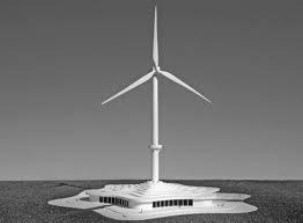
Aeolian production worldwide
In the last years we have assisted at an exponential growth of aeolic power installed and production of electricity generated by wind. In 2010 a power of 39 GW has been installed worldwide, a 20% increase if compared to previous year, reaching a total power rising up to 198 GW: biggest contributors were China (44.7 GW), USA (40.2 GW), Germany (27.2 GW), Spain (20.7 GW), India (13.2 GW), with Europe as a whole covering 42% of world aeolic power. The 86.5% of installed power in the world is located in just ten countries: China, USA, Germany, Spain, India, Italy, France, Britain, Canada and Denmark. In 2010 the major efforts to boost wind power installed are from China, that, with an increase of 18.9% over 2009, reaches 27% of installed power in the world, and from the USA, that, with an increase of 5.1%, reach 24%.
Traditionally, since the beginning of aeolic era, the countries that invested and produced more have been Germany, Spain and the USA. In the last 5 years a new, important "outsider" has broken through, China, which in 2010 becomes the first countries with an installed capacity of 44.7% (18.9% more than previous year), becoming then the major emerging country in this field. Italy has always been on the cutting edge and in 2010 Italy occupies a honourable 6th place after China, USA, Germany, Spain, India.
In 2010 worldwide aeolic energy production covered 2-2.5% of the total amount of electricity produced; nevertheless, in some countries it is an important part of national electricity balance: as an example, at the end of 2010, in Denmark, 24% of power consumed was produced by aeolic sources, in Portugal 14.8%, in Spain 14.4%, in Ireland 10.1% and in Germany 9.3 %, while China, though at the top of the list, covers only 1% of electricity consumption with wind power.
(Source: Renewables 2011 - Global Status Report e EWEA – Wind in power: 2010 European Statistics)
Aeolic production in Europe
During 2010 in EU27 181.7 TWh of electricity have been produced by aeolic means, of which 171.1 TWh thanks to onshore wind farms and 10.6 TWh from offshore wind farm. 5.3% of the total consumption of electricity in Europe in 2010 (compared to 2% in 2002) was produced through wind power with about 71,620 turbines.
From 1996 to 2010 aeolic power installed in Europe has grown at a yearly rate of 97%, passing from 6.1 GW in 1996 to 198GW in 2010. Despite this, there are still many disparities among different countries: Germany (27%), Spain (25%) Great Britain (8%) France (6.5%) and Italy (6.4%) sustain by themselves 72.9% of the entire European production.
A significant contribution
The EU Directive (2009/28/CE) establishes that 20% of total EU energy production has to come from renewable sources by 2020, indicating some common guidelines to reach this goal as well. In 2009 sustainable sources have produced about 13% of the total amount of energy consumed in the world, with hydroelectric and solid biofuels having the biggest share (thanks to poorest countries' contribution, where use of solid fuels for heating, cooking and illumination purposes is widespread). In 2010 production of aeolic energy worldwide has covered about 2-2.5% of the total amount of energy consumed: it may look a very modest share, however the production of aeolic energy is expanding fast, playing a fundamental role in the delicate and difficult passage to an ever smaller reliance on fossil fuels.
The aeolic field is indeed the one, amongst all renewable sources, which is recording the biggest annual increases, with a growth higher than 7% a year between 1996 and 2010, and an even larger increase (38%) between 2006 and 2010.
(Source: ewea.org) http://www.eniscuola.net/assets/5199/pdf_wind_3.pdf
According to the text, of all renewable sources of energy,
Provas
Aeolian distribution
Aeolian production worldwide
In the last years we have assisted at an exponential growth of aeolic power installed and production of electricity generated by wind. In 2010 a power of 39 GW has been installed worldwide, a 20% increase if compared to previous year, reaching a total power rising up to 198 GW: biggest contributors were China (44.7 GW), USA (40.2 GW), Germany (27.2 GW), Spain (20.7 GW), India (13.2 GW), with Europe as a whole covering 42% of world aeolic power. The 86.5% of installed power in the world is located in just ten countries: China, USA, Germany, Spain, India, Italy, France, Britain, Canada and Denmark. In 2010 the major efforts to boost wind power installed are from China, that, with an increase of 18.9% over 2009, reaches 27% of installed power in the world, and from the USA, that, with an increase of 5.1%, reach 24%.
Traditionally, since the beginning of aeolic era, the countries that invested and produced more have been Germany, Spain and the USA. In the last 5 years a new, important "outsider" has broken through, China, which in 2010 becomes the first countries with an installed capacity of 44.7% (18.9% more than previous year), becoming then the major emerging country in this field. Italy has always been on the cutting edge and in 2010 Italy occupies a honourable 6th place after China, USA, Germany, Spain, India.
In 2010 worldwide aeolic energy production covered 2-2.5% of the total amount of electricity produced; nevertheless, in some countries it is an important part of national electricity balance: as an example, at the end of 2010, in Denmark, 24% of power consumed was produced by aeolic sources, in Portugal 14.8%, in Spain 14.4%, in Ireland 10.1% and in Germany 9.3 %, while China, though at the top of the list, covers only 1% of electricity consumption with wind power.
(Source: Renewables 2011 - Global Status Report e EWEA – Wind in power: 2010 European Statistics)
Aeolic production in Europe
During 2010 in EU27 181.7 TWh of electricity have been produced by aeolic means, of which 171.1 TWh thanks to onshore wind farms and 10.6 TWh from offshore wind farm. 5.3% of the total consumption of electricity in Europe in 2010 (compared to 2% in 2002) was produced through wind power with about 71,620 turbines.
From 1996 to 2010 aeolic power installed in Europe has grown at a yearly rate of 97%, passing from 6.1 GW in 1996 to 198GW in 2010. Despite this, there are still many disparities among different countries: Germany (27%), Spain (25%) Great Britain (8%) France (6.5%) and Italy (6.4%) sustain by themselves 72.9% of the entire European production.
A significant contribution
The EU Directive (2009/28/CE) establishes that 20% of total EU energy production has to come from renewable sources by 2020, indicating some common guidelines to reach this goal as well. In 2009 sustainable sources have produced about 13% of the total amount of energy consumed in the world, with hydroelectric and solid biofuels having the biggest share (thanks to poorest countries' contribution, where use of solid fuels for heating, cooking and illumination purposes is widespread). In 2010 production of aeolic energy worldwide has covered about 2-2.5% of the total amount of energy consumed: it may look a very modest share, however the production of aeolic energy is expanding fast, playing a fundamental role in the delicate and difficult passage to an ever smaller reliance on fossil fuels.
The aeolic field is indeed the one, amongst all renewable sources, which is recording the biggest annual increases, with a growth higher than 7% a year between 1996 and 2010, and an even larger increase (38%) between 2006 and 2010.
(Source: ewea.org) http://www.eniscuola.net/assets/5199/pdf_wind_3.pdf
The rate of aeolic power
Provas
Caderno Container