Foram encontradas 70 questões.
I - A série temporal {Z t}t=1,...,n não é estacionária.
II - Se a variância dos choques aleatórios for igual a σ², então a variância do processo
W t=Zt- Zt-1 - Zt-2 + Zt-13 será superior a σ²,
III - O modelo pode ser representado na forma
(1- L ) (1- L12) Z t = (1 - θL)at
Está(ão) correta(s) a(s) afirmativa(s)
Provas

- FundamentosAnálise de Tabelas e GráficosGráfico de Colunas ou Barras Justapostas
- Estatística Descritiva

A derivada desta curva no ponto (1,1) é
Provas
Provas
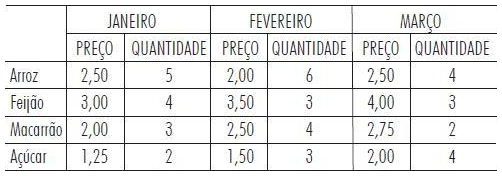
Para o conjunto dos 4 produtos apresentados, o índice de preços de Laspeyres referente ao mês de março, tendo como base o mês de janeiro, vale, aproximadamente,
Provas
Provas
Yesterday started with the best of intentions. I walked
into my office in the morning with a vague sense of
what I wanted to accomplish. Then I sat down, turned
on my computer, and checked my email. Two hours
later, after fighting several fires, solving other people’s
problems, and dealing with whatever happened to be
thrown at me through my computer and phone, I could
hardly remember what I had set out to accomplish when
I first turned on my computer. I’d been ambushed. And
I know better.
That means we start every day knowing we’re not going
to get it all done. So how we spend our time is a key
strategic decision. That’s why it’s a good idea to create
a to do list and an ignore list. The hardest attention to
focus is our own.
But even with those lists, the challenge, as always, is
execution. How can you stick to a plan when so many
things threaten to derail it?
Managing our time needs to become a ritual too. Not
simply a list or a vague sense of our priorities. That’s
not consistent or deliberate. It needs to be an ongoing
process we follow no matter what to keep us focused
on our priorities throughout the day.
I think we can do it in three steps that take less than
minutes over an eight-hour workday.
STEP 1 (5 Minutes) Before turning on your computer,
sit down with a blank piece of paper and decide what
will make this day highly successful. What can you
realistically carry out that will further your goals and
allow you to leave at the end of the day feeling like
you’ve been productive and successful? Write those
things down.
Now, most importantly, take your calendar and schedule
those things into time slots, placing the hardest and
most important items at the beginning of the day. And
by the beginning of the day I mean, if possible, before
even checking your email. There is tremendous power
in deciding when and where you are going to do
something.
If you want to get something done, decide when and
where you’re going to do it. Otherwise, take it off your
list.
STEP 2 (1 minute every hour) Set your watch, phone,
or computer to ring every hour. When it rings, take a
deep breath, look at your list and ask yourself if you
spent your last hour productively. Then look at your
calendar and deliberately recommit to how you are
going to use the next hour.
STEP 3 (5 minutes) Shut off your computer and review
your day. What worked? Where did you focus? Where
did you get distracted?
The power of rituals is their predictability. You do the
same thing in the same way over and over again. And
so the outcome of a ritual is predictable too. If you
choose your focus deliberately and wisely, and
consistently remind yourself of that focus, you will stay
focused. It’s simple.
This particular ritual may not help you swim the English
Channel. But it may just help you leave the office feeling
productive and successful.
And, at the end of the day, isn’t that a higher priority?
Extracted from: http://blogs.harvardbusiness.org/bregman/2009/07/an-18minute-plan-for-managing.html
Provas
Yesterday started with the best of intentions. I walked
into my office in the morning with a vague sense of
what I wanted to accomplish. Then I sat down, turned
on my computer, and checked my email. Two hours
later, after fighting several fires, solving other people’s
problems, and dealing with whatever happened to be
thrown at me through my computer and phone, I could
hardly remember what I had set out to accomplish when
I first turned on my computer. I’d been ambushed. And
I know better.
That means we start every day knowing we’re not going
to get it all done. So how we spend our time is a key
strategic decision. That’s why it’s a good idea to create
a to do list and an ignore list. The hardest attention to
focus is our own.
But even with those lists, the challenge, as always, is
execution. How can you stick to a plan when so many
things threaten to derail it?
Managing our time needs to become a ritual too. Not
simply a list or a vague sense of our priorities. That’s
not consistent or deliberate. It needs to be an ongoing
process we follow no matter what to keep us focused
on our priorities throughout the day.
I think we can do it in three steps that take less than
minutes over an eight-hour workday.
STEP 1 (5 Minutes) Before turning on your computer,
sit down with a blank piece of paper and decide what
will make this day highly successful. What can you
realistically carry out that will further your goals and
allow you to leave at the end of the day feeling like
you’ve been productive and successful? Write those
things down.
Now, most importantly, take your calendar and schedule
those things into time slots, placing the hardest and
most important items at the beginning of the day. And
by the beginning of the day I mean, if possible, before
even checking your email. There is tremendous power
in deciding when and where you are going to do
something.
If you want to get something done, decide when and
where you’re going to do it. Otherwise, take it off your
list.
STEP 2 (1 minute every hour) Set your watch, phone,
or computer to ring every hour. When it rings, take a
deep breath, look at your list and ask yourself if you
spent your last hour productively. Then look at your
calendar and deliberately recommit to how you are
going to use the next hour.
STEP 3 (5 minutes) Shut off your computer and review
your day. What worked? Where did you focus? Where
did you get distracted?
The power of rituals is their predictability. You do the
same thing in the same way over and over again. And
so the outcome of a ritual is predictable too. If you
choose your focus deliberately and wisely, and
consistently remind yourself of that focus, you will stay
focused. It’s simple.
This particular ritual may not help you swim the English
Channel. But it may just help you leave the office feeling
productive and successful.
And, at the end of the day, isn’t that a higher priority?
Extracted from: http://blogs.harvardbusiness.org/bregman/2009/07/an-18minute-plan-for-managing.html
Provas
Yesterday started with the best of intentions. I walked
into my office in the morning with a vague sense of
what I wanted to accomplish. Then I sat down, turned
on my computer, and checked my email. Two hours
later, after fighting several fires, solving other people’s
problems, and dealing with whatever happened to be
thrown at me through my computer and phone, I could
hardly remember what I had set out to accomplish when
I first turned on my computer. I’d been ambushed. And
I know better.
That means we start every day knowing we’re not going
to get it all done. So how we spend our time is a key
strategic decision. That’s why it’s a good idea to create
a to do list and an ignore list. The hardest attention to
focus is our own.
But even with those lists, the challenge, as always, is
execution. How can you stick to a plan when so many
things threaten to derail it?
Managing our time needs to become a ritual too. Not
simply a list or a vague sense of our priorities. That’s
not consistent or deliberate. It needs to be an ongoing
process we follow no matter what to keep us focused
on our priorities throughout the day.
I think we can do it in three steps that take less than
minutes over an eight-hour workday.
STEP 1 (5 Minutes) Before turning on your computer,
sit down with a blank piece of paper and decide what
will make this day highly successful. What can you
realistically carry out that will further your goals and
allow you to leave at the end of the day feeling like
you’ve been productive and successful? Write those
things down.
Now, most importantly, take your calendar and schedule
those things into time slots, placing the hardest and
most important items at the beginning of the day. And
by the beginning of the day I mean, if possible, before
even checking your email. There is tremendous power
in deciding when and where you are going to do
something.
If you want to get something done, decide when and
where you’re going to do it. Otherwise, take it off your
list.
STEP 2 (1 minute every hour) Set your watch, phone,
or computer to ring every hour. When it rings, take a
deep breath, look at your list and ask yourself if you
spent your last hour productively. Then look at your
calendar and deliberately recommit to how you are
going to use the next hour.
STEP 3 (5 minutes) Shut off your computer and review
your day. What worked? Where did you focus? Where
did you get distracted?
The power of rituals is their predictability. You do the
same thing in the same way over and over again. And
so the outcome of a ritual is predictable too. If you
choose your focus deliberately and wisely, and
consistently remind yourself of that focus, you will stay
focused. It’s simple.
This particular ritual may not help you swim the English
Channel. But it may just help you leave the office feeling
productive and successful.
And, at the end of the day, isn’t that a higher priority?
Extracted from: http://blogs.harvardbusiness.org/bregman/2009/07/an-18minute-plan-for-managing.html
Provas
- Vocabulário | Vocabulary
- Sinônimos | Synonyms
- Gramática - Língua InglesaAdjetivos | AdjectivesOposto | Opposite
Yesterday started with the best of intentions. I walked
into my office in the morning with a vague sense of
what I wanted to accomplish. Then I sat down, turned
on my computer, and checked my email. Two hours
later, after fighting several fires, solving other people’s
problems, and dealing with whatever happened to be
thrown at me through my computer and phone, I could
hardly remember what I had set out to accomplish when
I first turned on my computer. I’d been ambushed. And
I know better.
That means we start every day knowing we’re not going
to get it all done. So how we spend our time is a key
strategic decision. That’s why it’s a good idea to create
a to do list and an ignore list. The hardest attention to
focus is our own.
But even with those lists, the challenge, as always, is
execution. How can you stick to a plan when so many
things threaten to derail it?
Managing our time needs to become a ritual too. Not
simply a list or a vague sense of our priorities. That’s
not consistent or deliberate. It needs to be an ongoing
process we follow no matter what to keep us focused
on our priorities throughout the day.
I think we can do it in three steps that take less than
minutes over an eight-hour workday.
STEP 1 (5 Minutes) Before turning on your computer,
sit down with a blank piece of paper and decide what
will make this day highly successful. What can you
realistically carry out that will further your goals and
allow you to leave at the end of the day feeling like
you’ve been productive and successful? Write those
things down.
Now, most importantly, take your calendar and schedule
those things into time slots, placing the hardest and
most important items at the beginning of the day. And
by the beginning of the day I mean, if possible, before
even checking your email. There is tremendous power
in deciding when and where you are going to do
something.
If you want to get something done, decide when and
where you’re going to do it. Otherwise, take it off your
list.
STEP 2 (1 minute every hour) Set your watch, phone,
or computer to ring every hour. When it rings, take a
deep breath, look at your list and ask yourself if you
spent your last hour productively. Then look at your
calendar and deliberately recommit to how you are
going to use the next hour.
STEP 3 (5 minutes) Shut off your computer and review
your day. What worked? Where did you focus? Where
did you get distracted?
The power of rituals is their predictability. You do the
same thing in the same way over and over again. And
so the outcome of a ritual is predictable too. If you
choose your focus deliberately and wisely, and
consistently remind yourself of that focus, you will stay
focused. It’s simple.
This particular ritual may not help you swim the English
Channel. But it may just help you leave the office feeling
productive and successful.
And, at the end of the day, isn’t that a higher priority?
Extracted from: http://blogs.harvardbusiness.org/bregman/2009/07/an-18minute-plan-for-managing.html
Provas
Yesterday started with the best of intentions. I walked
into my office in the morning with a vague sense of
what I wanted to accomplish. Then I sat down, turned
on my computer, and checked my email. Two hours
later, after fighting several fires, solving other people’s
problems, and dealing with whatever happened to be
thrown at me through my computer and phone, I could
hardly remember what I had set out to accomplish when
I first turned on my computer. I’d been ambushed. And
I know better.
That means we start every day knowing we’re not going
to get it all done. So how we spend our time is a key
strategic decision. That’s why it’s a good idea to create
a to do list and an ignore list. The hardest attention to
focus is our own.
But even with those lists, the challenge, as always, is
execution. How can you stick to a plan when so many
things threaten to derail it?
Managing our time needs to become a ritual too. Not
simply a list or a vague sense of our priorities. That’s
not consistent or deliberate. It needs to be an ongoing
process we follow no matter what to keep us focused
on our priorities throughout the day.
I think we can do it in three steps that take less than
minutes over an eight-hour workday.
STEP 1 (5 Minutes) Before turning on your computer,
sit down with a blank piece of paper and decide what
will make this day highly successful. What can you
realistically carry out that will further your goals and
allow you to leave at the end of the day feeling like
you’ve been productive and successful? Write those
things down.
Now, most importantly, take your calendar and schedule
those things into time slots, placing the hardest and
most important items at the beginning of the day. And
by the beginning of the day I mean, if possible, before
even checking your email. There is tremendous power
in deciding when and where you are going to do
something.
If you want to get something done, decide when and
where you’re going to do it. Otherwise, take it off your
list.
STEP 2 (1 minute every hour) Set your watch, phone,
or computer to ring every hour. When it rings, take a
deep breath, look at your list and ask yourself if you
spent your last hour productively. Then look at your
calendar and deliberately recommit to how you are
going to use the next hour.
STEP 3 (5 minutes) Shut off your computer and review
your day. What worked? Where did you focus? Where
did you get distracted?
The power of rituals is their predictability. You do the
same thing in the same way over and over again. And
so the outcome of a ritual is predictable too. If you
choose your focus deliberately and wisely, and
consistently remind yourself of that focus, you will stay
focused. It’s simple.
This particular ritual may not help you swim the English
Channel. But it may just help you leave the office feeling
productive and successful.
And, at the end of the day, isn’t that a higher priority?
Extracted from: http://blogs.harvardbusiness.org/bregman/2009/07/an-18minute-plan-for-managing.html
Provas
Caderno Container