Foram encontradas 138 questões.
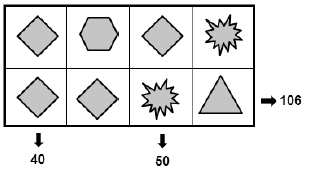
Cada um desses símbolos diferentes representa um número natural. Os números fora do quadro indicam as somas dos símbolos nas colunas 1 e 3 e na linha 2.
De acordo com essas informações, o
 representa o
número
representa o
númeroProvas

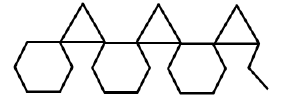
Se ele construiu 30 hexágonos, mantendo esse padrão (hexágonos e triângulos) quantos palitos que ele usou?
Provas
4, 7, 11, 18, 29, ?
Como os termos dessa sequência obedecem a uma lei de formação, o último termo representado por “?” é um
Provas
Disciplina: Legislação Municipal
Banca: FUNDEP
Orgão: Pref. Nova Serrana-MG
Provas
Disciplina: Legislação Municipal
Banca: FUNDEP
Orgão: Pref. Nova Serrana-MG
Provas
Disciplina: Legislação Municipal
Banca: FUNDEP
Orgão: Pref. Nova Serrana-MG
Na hipótese e considerando-se que o ato se deu em conformidade com a legislação municipal aplicável, é incorreto afirmar:
Provas
Disciplina: Inglês (Língua Inglesa)
Banca: FUNDEP
Orgão: Pref. Nova Serrana-MG
Text
When Jane and Elizabeth were alone, the former, who had been cautious in her praise of Mr. Bingley before, expressed to her sister just how very much she admired him.
“He is just what a young man ought to be,” said she, “sensible, good-humoured, lively; and I never saw such happy manners! – so much ease, with such perfect good breeding!”
“He is also handsome,” replied Elizabeth, “which a young man ought likewise to be, if he possibly can. His character is thereby complete.”
“I was very much flattered by his asking me to dance a second time. I did not expect such a compliment.”
“Did not you? I did for you. But that is one great difference between us. Compliments always take you by surprise, and me never. What could be more natural than his asking you again? He could not help seeing that you were about five times as pretty as every other woman in the room. No thanks to his gallantry for that. Well, he certainly is very agreeable, and I give you leave to like him. You have liked many a stupider person.”
“Dear Lizzy!”
“Oh! you are a great deal too apt, you know, to like people in general. You never see a fault in anybody. All the world are good and agreeable in your eyes. I never heard you speak ill of a human being in your life.”
“I would not wish to be hasty in censuring anyone; but I always speak what I think.”
“I know you do; and it is that which makes the wonder. With your good sense, to be so honestly blind to the follies and nonsense of others! Affectation of candour is common enough – one meets with it everywhere. But to be candid without ostentation or design – to take the good of everybody’s character and make it still better, and say nothing of the bad – belongs to you alone. And so you like this man’s sisters, too, do you? Their manners are not equal to his.”
“Certainly not – at first. But they are very pleasing women when you converse with them. Miss Bingley is to live with her brother, and keep his house; and I am much mistaken if we shall not find a very charming neighbour in her.”
Elizabeth listened in silence, but was not convinced; their behaviour at the assembly had not been calculated to please in general; and with more quickness of observation and less pliancy of temper than her sister, and with a judgement too unassailed by any attention to herself, she was very little disposed to approve them. They were in fact very fine ladies; not deficient in good humour when they were pleased, nor in the power of making themselves agreeable when they chose it, but proud and conceited. They were rather handsome, had been educated in one of the first private seminaries in town, had a fortune of twenty thousand pounds, were in the habit of spending more than they ought, and of associating with people of rank, and were therefore in every respect entitled to think well of themselves, and meanly of others. They were of a respectable family in the north of England; a circumstance more deeply impressed on their memories than that their brother’s fortune and their own had been acquired by trade.
Austen, Jane: Pride and Prejudice, chapter 4. Available at:
<https://www.gutenberg.org>. Accessed on: October 29th, 2018.
Provas
Disciplina: Inglês (Língua Inglesa)
Banca: FUNDEP
Orgão: Pref. Nova Serrana-MG
Text
When Jane and Elizabeth were alone, the former, who had been cautious in her praise of Mr. Bingley before, expressed to her sister just how very much she admired him.
“He is just what a young man ought to be,” said she, “sensible, good-humoured, lively; and I never saw such happy manners! – so much ease, with such perfect good breeding!”
“He is also handsome,” replied Elizabeth, “which a young man ought likewise to be, if he possibly can. His character is thereby complete.”
“I was very much flattered by his asking me to dance a second time. I did not expect such a compliment.”
“Did not you? I did for you. But that is one great difference between us. Compliments always take you by surprise, and me never. What could be more natural than his asking you again? He could not help seeing that you were about five times as pretty as every other woman in the room. No thanks to his gallantry for that. Well, he certainly is very agreeable, and I give you leave to like him. You have liked many a stupider person.”
“Dear Lizzy!”
“Oh! you are a great deal too apt, you know, to like people in general. You never see a fault in anybody. All the world are good and agreeable in your eyes. I never heard you speak ill of a human being in your life.”
“I would not wish to be hasty in censuring anyone; but I always speak what I think.”
“I know you do; and it is that which makes the wonder. With your good sense, to be so honestly blind to the follies and nonsense of others! Affectation of candour is common enough – one meets with it everywhere. But to be candid without ostentation or design – to take the good of everybody’s character and make it still better, and say nothing of the bad – belongs to you alone. And so you like this man’s sisters, too, do you? Their manners are not equal to his.”
“Certainly not – at first. But they are very pleasing women when you converse with them. Miss Bingley is to live with her brother, and keep his house; and I am much mistaken if we shall not find a very charming neighbour in her.”
Elizabeth listened in silence, but was not convinced; their behaviour at the assembly had not been calculated to please in general; and with more quickness of observation and less pliancy of temper than her sister, and with a judgement too unassailed by any attention to herself, she was very little disposed to approve them. They were in fact very fine ladies; not deficient in good humour when they were pleased, nor in the power of making themselves agreeable when they chose it, but proud and conceited. They were rather handsome, had been educated in one of the first private seminaries in town, had a fortune of twenty thousand pounds, were in the habit of spending more than they ought, and of associating with people of rank, and were therefore in every respect entitled to think well of themselves, and meanly of others. They were of a respectable family in the north of England; a circumstance more deeply impressed on their memories than that their brother’s fortune and their own had been acquired by trade.
Austen, Jane: Pride and Prejudice, chapter 4. Available at:
<https://www.gutenberg.org>. Accessed on: October 29th, 2018.
Provas
Disciplina: Inglês (Língua Inglesa)
Banca: FUNDEP
Orgão: Pref. Nova Serrana-MG
Text
When Jane and Elizabeth were alone, the former, who had been cautious in her praise of Mr. Bingley before, expressed to her sister just how very much she admired him.
“He is just what a young man ought to be,” said she, “sensible, good-humoured, lively; and I never saw such happy manners! – so much ease, with such perfect good breeding!”
“He is also handsome,” replied Elizabeth, “which a young man ought likewise to be, if he possibly can. His character is thereby complete.”
“I was very much flattered by his asking me to dance a second time. I did not expect such a compliment.”
“Did not you? I did for you. But that is one great difference between us. Compliments always take you by surprise, and me never. What could be more natural than his asking you again? He could not help seeing that you were about five times as pretty as every other woman in the room. No thanks to his gallantry for that. Well, he certainly is very agreeable, and I give you leave to like him. You have liked many a stupider person.”
“Dear Lizzy!”
“Oh! you are a great deal too apt, you know, to like people in general. You never see a fault in anybody. All the world are good and agreeable in your eyes. I never heard you speak ill of a human being in your life.”
“I would not wish to be hasty in censuring anyone; but I always speak what I think.”
“I know you do; and it is that which makes the wonder. With your good sense, to be so honestly blind to the follies and nonsense of others! Affectation of candour is common enough – one meets with it everywhere. But to be candid without ostentation or design – to take the good of everybody’s character and make it still better, and say nothing of the bad – belongs to you alone. And so you like this man’s sisters, too, do you? Their manners are not equal to his.”
“Certainly not – at first. But they are very pleasing women when you converse with them. Miss Bingley is to live with her brother, and keep his house; and I am much mistaken if we shall not find a very charming neighbour in her.”
Elizabeth listened in silence, but was not convinced; their behaviour at the assembly had not been calculated to please in general; and with more quickness of observation and less pliancy of temper than her sister, and with a judgement too unassailed by any attention to herself, she was very little disposed to approve them. They were in fact very fine ladies; not deficient in good humour when they were pleased, nor in the power of making themselves agreeable when they chose it, but proud and conceited. They were rather handsome, had been educated in one of the first private seminaries in town, had a fortune of twenty thousand pounds, were in the habit of spending more than they ought, and of associating with people of rank, and were therefore in every respect entitled to think well of themselves, and meanly of others. They were of a respectable family in the north of England; a circumstance more deeply impressed on their memories than that their brother’s fortune and their own had been acquired by trade.
Austen, Jane: Pride and Prejudice, chapter 4. Available at:
<https://www.gutenberg.org>. Accessed on: October 29th, 2018.
Provas
Disciplina: Inglês (Língua Inglesa)
Banca: FUNDEP
Orgão: Pref. Nova Serrana-MG
- Gramática - Língua InglesaAdjetivos | AdjectivesComparativo e superlativo de adjetivos | Comparative and superlative
Text
When Jane and Elizabeth were alone, the former, who had been cautious in her praise of Mr. Bingley before, expressed to her sister just how very much she admired him.
“He is just what a young man ought to be,” said she, “sensible, good-humoured, lively; and I never saw such happy manners! – so much ease, with such perfect good breeding!”
“He is also handsome,” replied Elizabeth, “which a young man ought likewise to be, if he possibly can. His character is thereby complete.”
“I was very much flattered by his asking me to dance a second time. I did not expect such a compliment.”
“Did not you? I did for you. But that is one great difference between us. Compliments always take you by surprise, and me never. What could be more natural than his asking you again? He could not help seeing that you were about five times as pretty as every other woman in the room. No thanks to his gallantry for that. Well, he certainly is very agreeable, and I give you leave to like him. You have liked many a stupider person.”
“Dear Lizzy!”
“Oh! you are a great deal too apt, you know, to like people in general. You never see a fault in anybody. All the world are good and agreeable in your eyes. I never heard you speak ill of a human being in your life.”
“I would not wish to be hasty in censuring anyone; but I always speak what I think.”
“I know you do; and it is that which makes the wonder. With your good sense, to be so honestly blind to the follies and nonsense of others! Affectation of candour is common enough – one meets with it everywhere. But to be candid without ostentation or design – to take the good of everybody’s character and make it still better, and say nothing of the bad – belongs to you alone. And so you like this man’s sisters, too, do you? Their manners are not equal to his.”
“Certainly not – at first. But they are very pleasing women when you converse with them. Miss Bingley is to live with her brother, and keep his house; and I am much mistaken if we shall not find a very charming neighbour in her.”
Elizabeth listened in silence, but was not convinced; their behaviour at the assembly had not been calculated to please in general; and with more quickness of observation and less pliancy of temper than her sister, and with a judgement too unassailed by any attention to herself, she was very little disposed to approve them. They were in fact very fine ladies; not deficient in good humour when they were pleased, nor in the power of making themselves agreeable when they chose it, but proud and conceited. They were rather handsome, had been educated in one of the first private seminaries in town, had a fortune of twenty thousand pounds, were in the habit of spending more than they ought, and of associating with people of rank, and were therefore in every respect entitled to think well of themselves, and meanly of others. They were of a respectable family in the north of England; a circumstance more deeply impressed on their memories than that their brother’s fortune and their own had been acquired by trade.
Austen, Jane: Pride and Prejudice, chapter 4. Available at:
<https://www.gutenberg.org>. Accessed on: October 29th, 2018.
Provas
Caderno Container