Foram encontradas 470 questões.
Na vida real prática, os registros contábeis são realizados por lançamento no Livro Diário. O lançamento é constituído por cinco elementos essenciais: data completa, conta(s) a débito, conta(s) a crédito, histórico e valor.
O lançamento, por intermédio da chamada fórmula do lançamento, indica a quantidade de contas a debitar e a creditar. Nesse contexto um registro contábil que contemple 4 (quatro) contas a débito e 1 (uma) conta a crédito é feito por um lançamento deProvas

Uma companhia com disponibilidade temporária de caixa aplicou R$ 60.000,00, a uma taxa de juros compostos de 10% ao ano, para resgatar o valor do principal mais juros, ao final de 3 anos
O montante dessa aplicação, em reais, no dia do respectivo vencimento éProvas
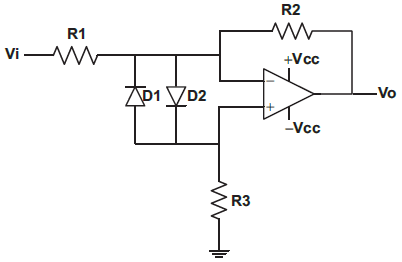
O circuito acima representa um amplificador que usa um operacional e apresenta uma proteção na entrada.
Os diodos D1 e D2
Provas
Uma determinada empresa adquiriu uma máquina a prazo, para o seu imobilizado, com pagamento único no final de um ano, no valor de R$ 75.600,00.
Quatro meses antes do vencimento, o vendedor da máquina (credor) propôs a quitação antecipada da dívida oferecendo um desconto, a juros simples, de 15% ao ano. O valor a pagar pela empresa, se aceitar a proposta de quitação antecipada a juros simples, em reais, éProvas
Numa aplicação financeira, no regime de juros simples, a transformação do prazo específico da taxa para o de capitalização é chamada taxa proporcional de juros, taxa linear ou taxa nominal.
A aludida taxa proporcional de juros, do regime de juros simples, é obtida pelaProvas
Committee decides to lower the use of thermoelectric power generation
GTCIT Magazine
The Monitoring Committee of the Electric Sector
(CMSE) decided on Monday (May 30, 2012), to
diminish the thermoelectric power generation in Brazil
as of next week. According to the Ministry of Mines
and Energy, Márcio Zimmermann, the thermoelectric
generation, which currently averages 4.000 megawatts
(MW), should now be reduced to 2.500 MW.
These plants are used in Brazil mainly to prevent
a power outage in the country in times of drought,
when the reservoirs of the dams are low. But the
ministry assured that the reservoir of the hydroelectric
plants are satisfactory, and that there will be no need
to resort to the thermoelectric resources.
According to the Minister Zimmermann, the
Southeast has an average of 90% of its reservoirs full,
which is an excellent level for this time of year. Even
the Northeast, whose reservoir levels are a little lower,
do not compromise system security.
“The system is operating perfectly within the
current conditions, which safely allows us to reduce
the generation of thermoelectric energy. This will give
us an economic surplus that can be used towards
system maintenance and in the implementation of
new quality programs for the energy sector”, he said.
He also explained that: “of course, this does not
mean that the committee will not be flexible as to
this decision in case the current conditions take an
unexpected turn.” They will be following the reduction
of the projection for the coming months and, if
necessary, the plans will be changed according to
the demands vis-a-vis the resources.
Available at: http://www.gtcit.com/publicaciond.php?PublicacionId=67700&lang=en. Retrieved on: 13 June 2012. Adapted.
In the text, “They” (line 28) refers to the
Provas
Committee decides to lower the use of thermoelectric power generation
GTCIT Magazine
The Monitoring Committee of the Electric Sector
(CMSE) decided on Monday (May 30, 2012), to
diminish the thermoelectric power generation in Brazil
as of next week. According to the Ministry of Mines
and Energy, Márcio Zimmermann, the thermoelectric
generation, which currently averages 4.000 megawatts
(MW), should now be reduced to 2.500 MW.
These plants are used in Brazil mainly to prevent
a power outage in the country in times of drought,
when the reservoirs of the dams are low. But the
ministry assured that the reservoir of the hydroelectric
plants are satisfactory, and that there will be no need
to resort to the thermoelectric resources.
According to the Minister Zimmermann, the
Southeast has an average of 90% of its reservoirs full,
which is an excellent level for this time of year. Even
the Northeast, whose reservoir levels are a little lower,
do not compromise system security.
“The system is operating perfectly within the
current conditions, which safely allows us to reduce
the generation of thermoelectric energy. This will give
us an economic surplus that can be used towards
system maintenance and in the implementation of
new quality programs for the energy sector”, he said.
He also explained that: “of course, this does not
mean that the committee will not be flexible as to
this decision in case the current conditions take an
unexpected turn.” They will be following the reduction
of the projection for the coming months and, if
necessary, the plans will be changed according to
the demands vis-a-vis the resources.
Available at: http://www.gtcit.com/publicaciond.php?PublicacionId=67700&lang=en. Retrieved on: 13 June 2012. Adapted.
Provas
Committee decides to lower the use of thermoelectric power generation
GTCIT Magazine
The Monitoring Committee of the Electric Sector
(CMSE) decided on Monday (May 30, 2012), to
diminish the thermoelectric power generation in Brazil
as of next week. According to the Ministry of Mines
and Energy, Márcio Zimmermann, the thermoelectric
generation, which currently averages 4.000 megawatts
(MW), should now be reduced to 2.500 MW.
These plants are used in Brazil mainly to prevent
a power outage in the country in times of drought,
when the reservoirs of the dams are low. But the
ministry assured that the reservoir of the hydroelectric
plants are satisfactory, and that there will be no need
to resort to the thermoelectric resources.
According to the Minister Zimmermann, the
Southeast has an average of 90% of its reservoirs full,
which is an excellent level for this time of year. Even
the Northeast, whose reservoir levels are a little lower,
do not compromise system security.
“The system is operating perfectly within the
current conditions, which safely allows us to reduce
the generation of thermoelectric energy. This will give
us an economic surplus that can be used towards
system maintenance and in the implementation of
new quality programs for the energy sector”, he said.
He also explained that: “of course, this does not
mean that the committee will not be flexible as to
this decision in case the current conditions take an
unexpected turn.” They will be following the reduction
of the projection for the coming months and, if
necessary, the plans will be changed according to
the demands vis-a-vis the resources.
Available at: http://www.gtcit.com/publicaciond.php?PublicacionId=67700&lang=en. Retrieved on: 13 June 2012. Adapted.
According to the text, the reduction of the thermoelectric power generation is justified because
Provas
Committee decides to lower the use of thermoelectric power generation
GTCIT Magazine
The Monitoring Committee of the Electric Sector
(CMSE) decided on Monday (May 30, 2012), to
diminish the thermoelectric power generation in Brazil
as of next week. According to the Ministry of Mines
and Energy, Márcio Zimmermann, the thermoelectric
generation, which currently averages 4.000 megawatts
(MW), should now be reduced to 2.500 MW.
These plants are used in Brazil mainly to prevent
a power outage in the country in times of drought,
when the reservoirs of the dams are low. But the
ministry assured that the reservoir of the hydroelectric
plants are satisfactory, and that there will be no need
to resort to the thermoelectric resources.
According to the Minister Zimmermann, the
Southeast has an average of 90% of its reservoirs full,
which is an excellent level for this time of year. Even
the Northeast, whose reservoir levels are a little lower,
do not compromise system security.
“The system is operating perfectly within the
current conditions, which safely allows us to reduce
the generation of thermoelectric energy. This will give
us an economic surplus that can be used towards
system maintenance and in the implementation of
new quality programs for the energy sector”, he said.
He also explained that: “of course, this does not
mean that the committee will not be flexible as to
this decision in case the current conditions take an
unexpected turn.” They will be following the reduction
of the projection for the coming months and, if
necessary, the plans will be changed according to
the demands vis-a-vis the resources.
Available at: http://www.gtcit.com/publicaciond.php?PublicacionId=67700&lang=en. Retrieved on: 13 June 2012. Adapted.
In the text, the word in bold-face type is similar to the word/expression in italics in
Provas
Committee decides to lower the use of thermoelectric power generation
GTCIT Magazine
The Monitoring Committee of the Electric Sector
(CMSE) decided on Monday (May 30, 2012), to
diminish the thermoelectric power generation in Brazil
as of next week. According to the Ministry of Mines
and Energy, Márcio Zimmermann, the thermoelectric
generation, which currently averages 4.000 megawatts
(MW), should now be reduced to 2.500 MW.
These plants are used in Brazil mainly to prevent
a power outage in the country in times of drought,
when the reservoirs of the dams are low. But the
ministry assured that the reservoir of the hydroelectric
plants are satisfactory, and that there will be no need
to resort to the thermoelectric resources.
According to the Minister Zimmermann, the
Southeast has an average of 90% of its reservoirs full,
which is an excellent level for this time of year. Even
the Northeast, whose reservoir levels are a little lower,
do not compromise system security.
“The system is operating perfectly within the
current conditions, which safely allows us to reduce
the generation of thermoelectric energy. This will give
us an economic surplus that can be used towards
system maintenance and in the implementation of
new quality programs for the energy sector”, he said.
He also explained that: “of course, this does not
mean that the committee will not be flexible as to
this decision in case the current conditions take an
unexpected turn.” They will be following the reduction
of the projection for the coming months and, if
necessary, the plans will be changed according to
the demands vis-a-vis the resources.
Available at: http://www.gtcit.com/publicaciond.php?PublicacionId=67700&lang=en. Retrieved on: 13 June 2012. Adapted.
According to the text, CMSE decided on May 30, 2012 to
Provas
Caderno Container