Foram encontradas 385 questões.
The most encyclopedic of the European museums is the
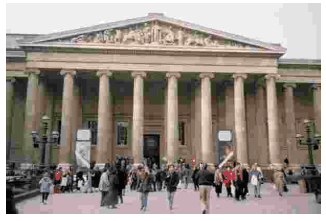
British Museum in London. Founded in 1753, it contains worldfamous antiquities, prints, drawings, coins, and medals that chronicle Western civilization. Among the museum’s many treasures are the Rosetta Stone, which enabled the deciphering of Egyptian hieroglyphics, and the Elgin Marbles, a set of sculptures that once decorated the Parthenon in Athens, Greece — both treasures are at the center of cultural-property disputes: Egypt has requested the return of the Rosetta Stone, and Greece is seeking the repatriation of the marbles. The museum’s central courtyard, the Great Court, houses an education center, galleries, temporary exhibition space, and facilities for visitors.
The principal French museum for exhibiting worldwide cultures is the Musée de l’Homme (Museum of Man) in the Palais de Chaillot, Paris. Founded in 1939, its imaginative exhibits encompass all phases of anthropology, ethnology, and prehistory.
The Hungarian National Museum in Budapest, Hungary, traces the geographic and ethnographic history of Hungary through a collection of artifacts dating from early Paleolithic times through the 10 century AD.
The Rijksmuseum van Oudheden (National Museum of Antiquities) in Leiden, The Netherlands, has a comprehensive collection with material from ancient Egypt, the Near East, the classical world, and the early Netherlands.
The State Historical-Cultural Museum in Moscow, Russia, documents Russian social, economic, and political history and has one of the world’s richest collections of textiles and costumes.
Internet: <encarta.msn.com> (with adaptations).
In the text,
“once” can be correctly replaced by once in a lifetime.
Provas

The most encyclopedic of the European museums is the
British Museum in London. Founded in 1753, it contains worldfamous antiquities, prints, drawings, coins, and medals that chronicle Western civilization. Among the museum’s many treasures are the Rosetta Stone, which enabled the deciphering of Egyptian hieroglyphics, and the Elgin Marbles, a set of sculptures that once decorated the Parthenon in Athens, Greece — both treasures are at the center of cultural-property disputes: Egypt has requested the return of the Rosetta Stone, and Greece is seeking the repatriation of the marbles. The museum’s central courtyard, the Great Court, houses an education center, galleries, temporary exhibition space, and facilities for visitors.
The principal French museum for exhibiting worldwide cultures is the Musée de l’Homme (Museum of Man) in the Palais de Chaillot, Paris. Founded in 1939, its imaginative exhibits encompass all phases of anthropology, ethnology, and prehistory.
The Hungarian National Museum in Budapest, Hungary, traces the geographic and ethnographic history of Hungary through a collection of artifacts dating from early Paleolithic times through the 10 century AD.
The Rijksmuseum van Oudheden (National Museum of Antiquities) in Leiden, The Netherlands, has a comprehensive collection with material from ancient Egypt, the Near East, the classical world, and the early Netherlands.
The State Historical-Cultural Museum in Moscow, Russia, documents Russian social, economic, and political history and has one of the world’s richest collections of textiles and costumes.
Internet: <encarta.msn.com> (with adaptations).
In the text,
the opposite of “The most” is The less.
Provas
The most encyclopedic of the European museums is the
British Museum in London. Founded in 1753, it contains worldfamous antiquities, prints, drawings, coins, and medals that chronicle Western civilization. Among the museum’s many treasures are the Rosetta Stone, which enabled the deciphering of Egyptian hieroglyphics, and the Elgin Marbles, a set of sculptures that once decorated the Parthenon in Athens, Greece — both treasures are at the center of cultural-property disputes: Egypt has requested the return of the Rosetta Stone, and Greece is seeking the repatriation of the marbles. The museum’s central courtyard, the Great Court, houses an education center, galleries, temporary exhibition space, and facilities for visitors.
The principal French museum for exhibiting worldwide cultures is the Musée de l’Homme (Museum of Man) in the Palais de Chaillot, Paris. Founded in 1939, its imaginative exhibits encompass all phases of anthropology, ethnology, and prehistory.
The Hungarian National Museum in Budapest, Hungary, traces the geographic and ethnographic history of Hungary through a collection of artifacts dating from early Paleolithic times through the 10 century AD.
The Rijksmuseum van Oudheden (National Museum of Antiquities) in Leiden, The Netherlands, has a comprehensive collection with material from ancient Egypt, the Near East, the classical world, and the early Netherlands.
The State Historical-Cultural Museum in Moscow, Russia, documents Russian social, economic, and political history and has one of the world’s richest collections of textiles and costumes.
Internet: <encarta.msn.com> (with adaptations).
Considering the text, judge the following item.
Egypt is proud of the Rosetta Stone being in the British Museum.
Provas
The most encyclopedic of the European museums is the
British Museum in London. Founded in 1753, it contains worldfamous antiquities, prints, drawings, coins, and medals that chronicle Western civilization. Among the museum’s many treasures are the Rosetta Stone, which enabled the deciphering of Egyptian hieroglyphics, and the Elgin Marbles, a set of sculptures that once decorated the Parthenon in Athens, Greece — both treasures are at the center of cultural-property disputes: Egypt has requested the return of the Rosetta Stone, and Greece is seeking the repatriation of the marbles. The museum’s central courtyard, the Great Court, houses an education center, galleries, temporary exhibition space, and facilities for visitors.
The principal French museum for exhibiting worldwide cultures is the Musée de l’Homme (Museum of Man) in the Palais de Chaillot, Paris. Founded in 1939, its imaginative exhibits encompass all phases of anthropology, ethnology, and prehistory.
The Hungarian National Museum in Budapest, Hungary, traces the geographic and ethnographic history of Hungary through a collection of artifacts dating from early Paleolithic times through the 10 century AD.
The Rijksmuseum van Oudheden (National Museum of Antiquities) in Leiden, The Netherlands, has a comprehensive collection with material from ancient Egypt, the Near East, the classical world, and the early Netherlands.
The State Historical-Cultural Museum in Moscow, Russia, documents Russian social, economic, and political history and has one of the world’s richest collections of textiles and costumes.
Internet: <encarta.msn.com> (with adaptations).
Considering the text, judge the following item.
Ancient Egyptian pieces are found in Holland and in Britain.
Provas
The most encyclopedic of the European museums is the
British Museum in London. Founded in 1753, it contains worldfamous antiquities, prints, drawings, coins, and medals that chronicle Western civilization. Among the museum’s many treasures are the Rosetta Stone, which enabled the deciphering of Egyptian hieroglyphics, and the Elgin Marbles, a set of sculptures that once decorated the Parthenon in Athens, Greece — both treasures are at the center of cultural-property disputes: Egypt has requested the return of the Rosetta Stone, and Greece is seeking the repatriation of the marbles. The museum’s central courtyard, the Great Court, houses an education center, galleries, temporary exhibition space, and facilities for visitors.
The principal French museum for exhibiting worldwide cultures is the Musée de l’Homme (Museum of Man) in the Palais de Chaillot, Paris. Founded in 1939, its imaginative exhibits encompass all phases of anthropology, ethnology, and prehistory.
The Hungarian National Museum in Budapest, Hungary, traces the geographic and ethnographic history of Hungary through a collection of artifacts dating from early Paleolithic times through the 10 century AD.
The Rijksmuseum van Oudheden (National Museum of Antiquities) in Leiden, The Netherlands, has a comprehensive collection with material from ancient Egypt, the Near East, the classical world, and the early Netherlands.
The State Historical-Cultural Museum in Moscow, Russia, documents Russian social, economic, and political history and has one of the world’s richest collections of textiles and costumes.
Internet: <encarta.msn.com> (with adaptations).
Considering the text, judge the following item.
All the museums mentioned in the text are located in Europe.
Provas
The most encyclopedic of the European museums is the
British Museum in London. Founded in 1753, it contains worldfamous antiquities, prints, drawings, coins, and medals that chronicle Western civilization. Among the museum’s many treasures are the Rosetta Stone, which enabled the deciphering of Egyptian hieroglyphics, and the Elgin Marbles, a set of sculptures that once decorated the Parthenon in Athens, Greece — both treasures are at the center of cultural-property disputes: Egypt has requested the return of the Rosetta Stone, and Greece is seeking the repatriation of the marbles. The museum’s central courtyard, the Great Court, houses an education center, galleries, temporary exhibition space, and facilities for visitors.
The principal French museum for exhibiting worldwide cultures is the Musée de l’Homme (Museum of Man) in the Palais de Chaillot, Paris. Founded in 1939, its imaginative exhibits encompass all phases of anthropology, ethnology, and prehistory.
The Hungarian National Museum in Budapest, Hungary, traces the geographic and ethnographic history of Hungary through a collection of artifacts dating from early Paleolithic times through the 10 century AD.
The Rijksmuseum van Oudheden (National Museum of Antiquities) in Leiden, The Netherlands, has a comprehensive collection with material from ancient Egypt, the Near East, the classical world, and the early Netherlands.
The State Historical-Cultural Museum in Moscow, Russia, documents Russian social, economic, and political history and has one of the world’s richest collections of textiles and costumes.
Internet: <encarta.msn.com> (with adaptations).
Considering the text, judge the following item.
Not only are sculptures supposed to be appreciated in museums but textiles and costumes as well.
Provas
The most encyclopedic of the European museums is the
British Museum in London. Founded in 1753, it contains worldfamous antiquities, prints, drawings, coins, and medals that chronicle Western civilization. Among the museum’s many treasures are the Rosetta Stone, which enabled the deciphering of Egyptian hieroglyphics, and the Elgin Marbles, a set of sculptures that once decorated the Parthenon in Athens, Greece — both treasures are at the center of cultural-property disputes: Egypt has requested the return of the Rosetta Stone, and Greece is seeking the repatriation of the marbles. The museum’s central courtyard, the Great Court, houses an education center, galleries, temporary exhibition space, and facilities for visitors.
The principal French museum for exhibiting worldwide cultures is the Musée de l’Homme (Museum of Man) in the Palais de Chaillot, Paris. Founded in 1939, its imaginative exhibits encompass all phases of anthropology, ethnology, and prehistory.
The Hungarian National Museum in Budapest, Hungary, traces the geographic and ethnographic history of Hungary through a collection of artifacts dating from early Paleolithic times through the 10 century AD.
The Rijksmuseum van Oudheden (National Museum of Antiquities) in Leiden, The Netherlands, has a comprehensive collection with material from ancient Egypt, the Near East, the classical world, and the early Netherlands.
The State Historical-Cultural Museum in Moscow, Russia, documents Russian social, economic, and political history and has one of the world’s richest collections of textiles and costumes.
Internet: <encarta.msn.com> (with adaptations).
Considering the text, judge the following item.
The Rosetta Stone and the Elgin Marbles are considered European masterpieces.
Provas
The most encyclopedic of the European museums is the
British Museum in London. Founded in 1753, it contains worldfamous antiquities, prints, drawings, coins, and medals that chronicle Western civilization. Among the museum’s many treasures are the Rosetta Stone, which enabled the deciphering of Egyptian hieroglyphics, and the Elgin Marbles, a set of sculptures that once decorated the Parthenon in Athens, Greece — both treasures are at the center of cultural-property disputes: Egypt has requested the return of the Rosetta Stone, and Greece is seeking the repatriation of the marbles. The museum’s central courtyard, the Great Court, houses an education center, galleries, temporary exhibition space, and facilities for visitors.
The principal French museum for exhibiting worldwide cultures is the Musée de l’Homme (Museum of Man) in the Palais de Chaillot, Paris. Founded in 1939, its imaginative exhibits encompass all phases of anthropology, ethnology, and prehistory.
The Hungarian National Museum in Budapest, Hungary, traces the geographic and ethnographic history of Hungary through a collection of artifacts dating from early Paleolithic times through the 10 century AD.
The Rijksmuseum van Oudheden (National Museum of Antiquities) in Leiden, The Netherlands, has a comprehensive collection with material from ancient Egypt, the Near East, the classical world, and the early Netherlands.
The State Historical-Cultural Museum in Moscow, Russia, documents Russian social, economic, and political history and has one of the world’s richest collections of textiles and costumes.
Internet: <encarta.msn.com> (with adaptations).
Considering the text, judge the following item.
The British Museum is well-known worldwide for its famous chronicles about Western civilization.
Provas
Brésil, musique et diversité culturelle
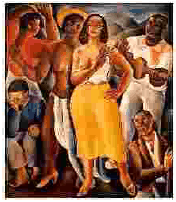
L’identité du peuple brésilien, et par conséquent de la culture qui en émane, est composée, certes, par les cariocas de Rio, mais aussi par les travailleurs pressés de São Paulo. C’est cela le Brésil: une nation plurale, bref, une nation surprenante.
Pour la musique, c’est pareil. La samba n’est qu’une composante de la diversité musicale qui fait la vraie identité du Brésil. Bien au contraire, le Brésil produit de la musique au pluriel. La confluence de diverses cultures a engendré une multiplicité d’inspirations orientant ainsi de manière originale la musicalité brésilienne.
S’il y a une chose essentielle à dire sur la musique populaire brésilienne, c’est qu’elle est extrêmement riche. Son histoire commence avec le mélange entre la musique des colonisateurs jésuites et la musique indigène. Ce mélange créa des rythmes primitifs qui évoluèrent vers des styles particuliers comme le cateretê ou le cantochão qui encore aujourd’hui sont joués dans certaines fêtes populaires.
D’après Simon Caqué. Internet: <www.artelio.org> (adapté).
Dans le texte,
l’expression “le Brésil produit de la musique au pluriel” renvoie à la multiplicité de styles et rythmes qui composent la musique brésilienne.
Provas
Brésil, musique et diversité culturelle
L’identité du peuple brésilien, et par conséquent de la culture qui en émane, est composée, certes, par les cariocas de Rio, mais aussi par les travailleurs pressés de São Paulo. C’est cela le Brésil: une nation plurale, bref, une nation surprenante.
Pour la musique, c’est pareil. La samba n’est qu’une composante de la diversité musicale qui fait la vraie identité du Brésil. Bien au contraire, le Brésil produit de la musique au pluriel. La confluence de diverses cultures a engendré une multiplicité d’inspirations orientant ainsi de manière originale la musicalité brésilienne.
S’il y a une chose essentielle à dire sur la musique populaire brésilienne, c’est qu’elle est extrêmement riche. Son histoire commence avec le mélange entre la musique des colonisateurs jésuites et la musique indigène. Ce mélange créa des rythmes primitifs qui évoluèrent vers des styles particuliers comme le cateretê ou le cantochão qui encore aujourd’hui sont joués dans certaines fêtes populaires.
D’après Simon Caqué. Internet: <www.artelio.org> (adapté).
Dans le texte,
“en” renvoie à “peuple brésilien”.
Provas
Caderno Container