Foram encontradas 353 questões.
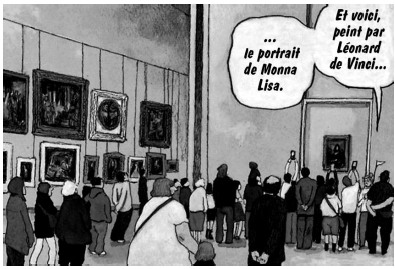
Internet: <www.lesinrocks.com> (adapté).
En considérant la vignette ci-dessus, c’est clair que
Provas

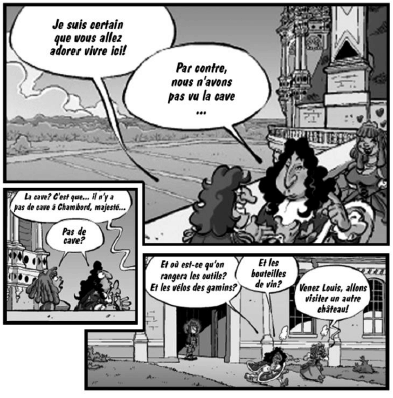
Internet: <www.culturebd.com> (adapté).
Le facteur empêchant le roi et la reine de choisir Chambord est un facteur d’ordre
Provas
Disciplina: Espanhol (Língua Espanhola)
Banca: CESPE / CEBRASPE
Orgão: UnB
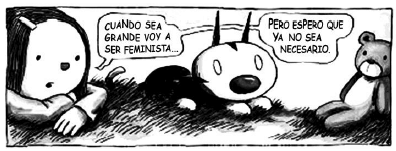
Internet: <www.confeitariamag.com>.
A partir de las declaraciones de la niña en la viñeta de arriba, es posible deducir un mensaje de
Provas
Women who changed the world
Text I
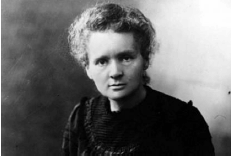
Marie Curie
Born in Warsaw, Marie Curie became the first woman Professor of General Physics in the Faculty of Sciences at the Sorbonne (Paris) in 1906. She had Masters Degrees in both physics and mathematical sciences and was the first woman to obtain a Doctor of Science degree. Madame Curie was also the first person to win two Nobel Prizes. The first was in Physics in 1903, with her husband, Pierre Curie, and Henri Becquerel, for their study in spontaneous radiation. The second was in Chemistry in 1911 for her work in radioactivity.
Text II
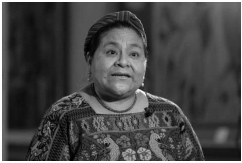
Rigoberta Menchú Tum
An indigenous Guatemalan woman of the K’iche’ branch of the Mayan culture, Rigoberta Menchú has dedicated her life to promoting the rights of indigenous peoples. She became active in the women’s rights movement as a teenager and later was a prominent workers’ rights advocate. In 1992 she was awarded the Nobel Peace Prize in recognition of her work for social justice and ethno-cultural reconciliation for indigenous peoples in Guatemala and is the first indigenous person to receive the prize.
Text III
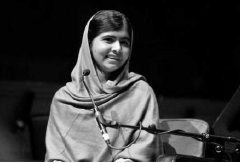
Malala Yousafzai
Malala Yousafzai is a Pakistani advocate for girls education and the youngest-ever Nobel Prize laureate. In 2009, when Malala was just eleven she began blogging about life under the Taliban, speaking out directly against their threats to close girls’ schools. The blog on BBC Urdu garnered international attention while also making her the target of death threats. In October 2012, a gunman shot her and two other girls as they were coming home from school. Malala survived the attack, and, in October 2014, she received the Nobel Peace Prize, along with Indian children’s rights activist Kailash Satyart.
Felicity Amos. 12 women who changed the world. Internet: <www.one.org> (adapted).
Judge the following item according to texts I, II and III.
Malala’s life was threatened because of her opinions and views against the Taliban.
Provas
Disciplina: Espanhol (Língua Espanhola)
Banca: CESPE / CEBRASPE
Orgão: UnB
Pablo Auladell presenta Potemkin, el primer cómic que publica tras ganar el Premio Nacional con El paraíso perdido, adaptación del poema de John Milton, que le funcionó, y sigue funcionando, muy bien. Con este se pretende aprovechar el doble tirón de un autor reconocido como él con el aniversario de Sergei Eisenstein, director de la película rusa El acorazado Potemkin. Y se ríe cuando piensa que se le pueda considerar un autor comercial. “Realmente en el mercado estamos todos, pero si te refieres a un autor que mira el producto antes de hacerlo la respuesta es no. Pero los demás, quizás sí. Debe ser el único tironcillo que ha tenido el Premio Nacional, confiando que podía hacer un buen trabajo y llamaría la atención”.
Sus palabras no provienen de la modestia, puntualiza, sino de la humildad. “Esta profesión te pone en tu sitio rápidamente. Pese a todo este deslumbre, sigue siendo un medio muy particular, raquítico en muchas cuestiones”.
Proyectos como estos dos últimos que ha desarrollado se dirigen hacia un mercado global que reconoce los iconos que ha adaptado, “ahora la mentalidad tiene que ser así porque las redes sociales lo mueven sin fronteras”. Y estas le proporcionan el ejemplo más cercano. El paraíso perdido, cuyos derechos compró este mismo año una editorial de Brasil ha conseguido que “casi la mitad de mis seguidores en cosas como mi Instagram ¡son brasileños!”.
Por eso insiste en que reconocimientos como “el Premio Nacional ha llamado más la atención fuera del mundo del cómic que dentro”. Y con ello se refiere al público habitual de salones como el de Barcelona, que visten las camisetas con logotipos de superhéroes, “si preguntas quiénes son los que han recibido el premio nacional o si los han leído, seguramente, dirán que no, que tienen una percepción de cosas intelectualoides”. Eso lo ve como prueba de que el mundo del cómic es muy particular: toda la vida luchando para que fuéramos arte y se establece un premio y mi percepción es que al aficionado ensimismado del cómic eso no le interesa.
La adaptación de una película como El acorazado Potemkin le permitía mayor libertad que con la obra de Milton. “Esa era una visión personal, de autor. Esta no, es un homenaje”. Y por eso explica que insistió en que apareciera en portada la palabra homenaje. “Aunque parezca que en El paraíso perdido tenía más libertad, la libertad es peligrosa. Las restricciones te ayudan a jugar con menos cartas pero tienes que jugarlas bien.
Internet: <www.elmundo.es> (con adaptaciones).
En cuanto a las ideas y estructuras del texto anterior, juzgue el siguiente ítem.
A petición de Auladell, la palabra “homenaje”, un sustantivo masculino, va a aparecer en la primera plana del libro.
Provas
Internet: <www.culturebd.com> (adapté).
À partir de la bande dessinée ci-dessus, jugez l'élément suivant.
Dans la 1ère et la 3è vignettes, respectivement, les constructions « vous allez adorer » et « allons visiter » sont au futur proche.
Provas
Disciplina: Espanhol (Língua Espanhola)
Banca: CESPE / CEBRASPE
Orgão: UnB
Pablo Auladell presenta Potemkin, el primer cómic que publica tras ganar el Premio Nacional con El paraíso perdido, adaptación del poema de John Milton, que le funcionó, y sigue funcionando, muy bien. Con este se pretende aprovechar el doble tirón de un autor reconocido como él con el aniversario de Sergei Eisenstein, director de la película rusa El acorazado Potemkin. Y se ríe cuando piensa que se le pueda considerar un autor comercial. “Realmente en el mercado estamos todos, pero si te refieres a un autor que mira el producto antes de hacerlo la respuesta es no. Pero los demás, quizás sí. Debe ser el único tironcillo que ha tenido el Premio Nacional, confiando que podía hacer un buen trabajo y llamaría la atención”.
Sus palabras no provienen de la modestia, puntualiza, sino de la humildad. “Esta profesión te pone en tu sitio rápidamente. Pese a todo este deslumbre, sigue siendo un medio muy particular, raquítico en muchas cuestiones”.
Proyectos como estos dos últimos que ha desarrollado se dirigen hacia un mercado global que reconoce los iconos que ha adaptado, “ahora la mentalidad tiene que ser así porque las redes sociales lo mueven sin fronteras”. Y estas le proporcionan el ejemplo más cercano. El paraíso perdido, cuyos derechos compró este mismo año una editorial de Brasil ha conseguido que “casi la mitad de mis seguidores en cosas como mi Instagram ¡son brasileños!”.
Por eso insiste en que reconocimientos como “el Premio Nacional ha llamado más la atención fuera del mundo del cómic que dentro”. Y con ello se refiere al público habitual de salones como el de Barcelona, que visten las camisetas con logotipos de superhéroes, “si preguntas quiénes son los que han recibido el premio nacional o si los han leído, seguramente, dirán que no, que tienen una percepción de cosas intelectualoides”. Eso lo ve como prueba de que el mundo del cómic es muy particular: toda la vida luchando para que fuéramos arte y se establece un premio y mi percepción es que al aficionado ensimismado del cómic eso no le interesa.
La adaptación de una película como El acorazado Potemkin le permitía mayor libertad que con la obra de Milton. “Esa era una visión personal, de autor. Esta no, es un homenaje”. Y por eso explica que insistió en que apareciera en portada la palabra homenaje. “Aunque parezca que en El paraíso perdido tenía más libertad, la libertad es peligrosa. Las restricciones te ayudan a jugar con menos cartas pero tienes que jugarlas bien.
Internet: <www.elmundo.es> (con adaptaciones).
En cuanto a las ideas y estructuras del texto anterior, juzgue el siguiente ítem.
De acuerdo con Auladell, es posible que con menos libertad se logren trabajos de más calidad.
Provas
Women who changed the world
Text I
Marie Curie
Born in Warsaw, Marie Curie became the first woman Professor of General Physics in the Faculty of Sciences at the Sorbonne (Paris) in 1906. She had Masters Degrees in both physics and mathematical sciences and was the first woman to obtain a Doctor of Science degree. Madame Curie was also the first person to win two Nobel Prizes. The first was in Physics in 1903, with her husband, Pierre Curie, and Henri Becquerel, for their study in spontaneous radiation. The second was in Chemistry in 1911 for her work in radioactivity.
Text II
Rigoberta Menchú Tum
An indigenous Guatemalan woman of the K’iche’ branch of the Mayan culture, Rigoberta Menchú has dedicated her life to promoting the rights of indigenous peoples. She became active in the women’s rights movement as a teenager and later was a prominent workers’ rights advocate. In 1992 she was awarded the Nobel Peace Prize in recognition of her work for social justice and ethno-cultural reconciliation for indigenous peoples in Guatemala and is the first indigenous person to receive the prize.
Text III
Malala Yousafzai
Malala Yousafzai is a Pakistani advocate for girls education and the youngest-ever Nobel Prize laureate. In 2009, when Malala was just eleven she began blogging about life under the Taliban, speaking out directly against their threats to close girls’ schools. The blog on BBC Urdu garnered international attention while also making her the target of death threats. In October 2012, a gunman shot her and two other girls as they were coming home from school. Malala survived the attack, and, in October 2014, she received the Nobel Peace Prize, along with Indian children’s rights activist Kailash Satyart.
Felicity Amos. 12 women who changed the world. Internet: <www.one.org> (adapted).
Judge the following item according to texts I, II and III.
In text III, the expression “the youngest-ever Nobel Prize laureate” means that Malala was the youngest person to win the prize in the ceremony of 2014.
Provas
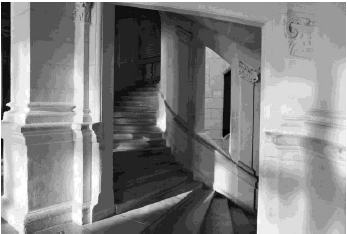
L’escalier du château de Chambord.
L’architecture du château de Chambord
Bien que l’identité de son architecte demeure inconnue, le château de Chambord est une création architecturale exceptionnelle, influencé par le travail de Léonard de Vinci.
À la suite de la bataille de Marignan, François Ier découvre les merveilles de l’architecture italienne et le travail de Léonard de Vinci. Lors de son retour en France en 1516, François Ier invite le grand polymathe à séjourner à la cour de France en tant que « premier peintre, architecte et ingénieur du roi »
Son influence dans la conception du projet de construction de Chambord se retrouve dans la comparaison entre des partis architecturaux adoptés à Chambord et les croquis qu’il a réalisés dans ses carnets.
L’escalier à doubles révolutions est l’un des indices qui font de Léonard de Vinci l’inspirateur de l’oeuvre de François Ier. Cet escalier exerce depuis le XVIe siècle la même fascination sur les visiteurs du château, d’une part pour la prouesse architecturale qu’il représente, d’autre part pour la mise en scène qu’il induit. En effet, deux personnes empruntant chacune l’une des rampes s’aperçoivent par les fenêtres aménagées dans le noyau mais ne se rencontrent jamais. Un jeu dont se régalent toujours les touristes, à l’image des hôtes du château au cours des siècles.
Internet: <www.chambord.org> (adapté).
Considérant le texte ci-dessus, jugez l'item suivant.
La locution adverbiale « En effet » introduit une idée contraire à celle exprimée dans la proposition antérieure.
Provas
Women who changed the world
Text I
Marie Curie
Born in Warsaw, Marie Curie became the first woman Professor of General Physics in the Faculty of Sciences at the Sorbonne (Paris) in 1906. She had Masters Degrees in both physics and mathematical sciences and was the first woman to obtain a Doctor of Science degree. Madame Curie was also the first person to win two Nobel Prizes. The first was in Physics in 1903, with her husband, Pierre Curie, and Henri Becquerel, for their study in spontaneous radiation. The second was in Chemistry in 1911 for her work in radioactivity.
Text II
Rigoberta Menchú Tum
An indigenous Guatemalan woman of the K’iche’ branch of the Mayan culture, Rigoberta Menchú has dedicated her life to promoting the rights of indigenous peoples. She became active in the women’s rights movement as a teenager and later was a prominent workers’ rights advocate. In 1992 she was awarded the Nobel Peace Prize in recognition of her work for social justice and ethno-cultural reconciliation for indigenous peoples in Guatemala and is the first indigenous person to receive the prize.
Text III
Malala Yousafzai
Malala Yousafzai is a Pakistani advocate for girls education and the youngest-ever Nobel Prize laureate. In 2009, when Malala was just eleven she began blogging about life under the Taliban, speaking out directly against their threats to close girls’ schools. The blog on BBC Urdu garnered international attention while also making her the target of death threats. In October 2012, a gunman shot her and two other girls as they were coming home from school. Malala survived the attack, and, in October 2014, she received the Nobel Peace Prize, along with Indian children’s rights activist Kailash Satyart.
Felicity Amos. 12 women who changed the world. Internet: <www.one.org> (adapted).
Judge the following item according to texts I, II and III.
In texts II and III, the word “advocate” indicates that both Rigoberta and Malala were lawyers.
Provas
Caderno Container