Foram encontradas 416 questões.
The crisis in the Portuguese Empire was already underway in 1807, with some underlying causes found further back in time.
It created the conditions for the political split between Brazil and Portugal, a development that virtually nobody imagined at the start of the 19th century. The process that started in 1807 prompted the separation and defined its most lasting results: the emergence of a Brazilian state and nation that would consolidate itself over the next century preserving its distinctive features. The independence process was strongly marked by progressive distancing between the past and the future. In this sense, the self-proclaimed revolutionary nature of the independence process fits neatly into the broader political and intellectual context of the time, full of conceptual innovations.
The continuity of Brazilian independence is, however, still the most common aspect highlighted by most historians and nonhistorians. It is true that the creation of the Empire of Brazil neither abolished slavery, nor upended social hierarchies for the vast majority of the population, nor modified the highly concentrated nature of land distribution and its overwhelming focus on sustaining an export economy built during centuries of Portuguese colonization. Yet, given the innovations involved in the creation of the Empire of Brazil and their significance in the first decades of the 19th century, the understanding of this history gains depth, complexity, and consistency if one replaces the simple and banal idea of preservation of slavery, social hierarchies, territoriality or monarchy with that of re-creation and reorganization of these elements. If not seen in this light, the history of Brazilian independence silences an array of diverse voices and actors who had been growing increasingly accustomed to participating in politics since the end of the previous century.
João Paulo Pimenta. Independence: Change and Continuity. In: Oxford Research
Encyclopedia of Latin American History. Internet: <www.oxfordre.com> (adapted).
Based on the text presented, judge the following item.
The word “Yet”, in the third sentence of the second, introduces a statement that stands in contrast to what the author writes about the creation of the Empire of Brazil in the preceding sentences.
Provas

The crisis in the Portuguese Empire was already underway in 1807, with some underlying causes found further back in time.
It created the conditions for the political split between Brazil and Portugal, a development that virtually nobody imagined at the start of the 19th century. The process that started in 1807 prompted the separation and defined its most lasting results: the emergence of a Brazilian state and nation that would consolidate itself over the next century preserving its distinctive features. The independence process was strongly marked by progressive distancing between the past and the future. In this sense, the self-proclaimed revolutionary nature of the independence process fits neatly into the broader political and intellectual context of the time, full of conceptual innovations.
The continuity of Brazilian independence is, however, still the most common aspect highlighted by most historians and nonhistorians. It is true that the creation of the Empire of Brazil neither abolished slavery, nor upended social hierarchies for the vast majority of the population, nor modified the highly concentrated nature of land distribution and its overwhelming focus on sustaining an export economy built during centuries of Portuguese colonization. Yet, given the innovations involved in the creation of the Empire of Brazil and their significance in the first decades of the 19th century, the understanding of this history gains depth, complexity, and consistency if one replaces the simple and banal idea of preservation of slavery, social hierarchies, territoriality or monarchy with that of re-creation and reorganization of these elements. If not seen in this light, the history of Brazilian independence silences an array of diverse voices and actors who had been growing increasingly accustomed to participating in politics since the end of the previous century.
João Paulo Pimenta. Independence: Change and Continuity. In: Oxford Research
Encyclopedia of Latin American History. Internet: <www.oxfordre.com> (adapted).
Based on the text presented, judge the following item.
The passage “the broader political and intellectual context of the time, full of conceptual innovations” could be correctly rewritten as a context of greater political and intellectual changes happening during an era when all innovations were of an abstract nature, without changing its meaning.
Provas
The crisis in the Portuguese Empire was already underway in 1807, with some underlying causes found further back in time.
It created the conditions for the political split between Brazil and Portugal, a development that virtually nobody imagined at the start of the 19th century. The process that started in 1807 prompted the separation and defined its most lasting results: the emergence of a Brazilian state and nation that would consolidate itself over the next century preserving its distinctive features. The independence process was strongly marked by progressive distancing between the past and the future. In this sense, the self-proclaimed revolutionary nature of the independence process fits neatly into the broader political and intellectual context of the time, full of conceptual innovations.
The continuity of Brazilian independence is, however, still the most common aspect highlighted by most historians and nonhistorians. It is true that the creation of the Empire of Brazil neither abolished slavery, nor upended social hierarchies for the vast majority of the population, nor modified the highly concentrated nature of land distribution and its overwhelming focus on sustaining an export economy built during centuries of Portuguese colonization. Yet, given the innovations involved in the creation of the Empire of Brazil and their significance in the first decades of the 19th century, the understanding of this history gains depth, complexity, and consistency if one replaces the simple and banal idea of preservation of slavery, social hierarchies, territoriality or monarchy with that of re-creation and reorganization of these elements. If not seen in this light, the history of Brazilian independence silences an array of diverse voices and actors who had been growing increasingly accustomed to participating in politics since the end of the previous century.
João Paulo Pimenta. Independence: Change and Continuity. In: Oxford Research
Encyclopedia of Latin American History. Internet: <www.oxfordre.com> (adapted).
Based on the text presented, judge the following item.
The last sentence of the text would still be correct and maintain its original meaning if a comma were placed before “who”, and another after “politics”.
Provas
The crisis in the Portuguese Empire was already underway in 1807, with some underlying causes found further back in time.
It created the conditions for the political split between Brazil and Portugal, a development that virtually nobody imagined at the start of the 19th century. The process that started in 1807 prompted the separation and defined its most lasting results: the emergence of a Brazilian state and nation that would consolidate itself over the next century preserving its distinctive features. The independence process was strongly marked by progressive distancing between the past and the future. In this sense, the self-proclaimed revolutionary nature of the independence process fits neatly into the broader political and intellectual context of the time, full of conceptual innovations.
The continuity of Brazilian independence is, however, still the most common aspect highlighted by most historians and nonhistorians. It is true that the creation of the Empire of Brazil neither abolished slavery, nor upended social hierarchies for the vast majority of the population, nor modified the highly concentrated nature of land distribution and its overwhelming focus on sustaining an export economy built during centuries of Portuguese colonization. Yet, given the innovations involved in the creation of the Empire of Brazil and their significance in the first decades of the 19th century, the understanding of this history gains depth, complexity, and consistency if one replaces the simple and banal idea of preservation of slavery, social hierarchies, territoriality or monarchy with that of re-creation and reorganization of these elements. If not seen in this light, the history of Brazilian independence silences an array of diverse voices and actors who had been growing increasingly accustomed to participating in politics since the end of the previous century.
João Paulo Pimenta. Independence: Change and Continuity. In: Oxford Research
Encyclopedia of Latin American History. Internet: <www.oxfordre.com> (adapted).
Based on the text presented, judge the following item.
The author suggests that preservation, re-creation and reorganization are complementary ideas which explain the history of Brazilian independence and its consequences.
Provas
The crisis in the Portuguese Empire was already underway in 1807, with some underlying causes found further back in time.
It created the conditions for the political split between Brazil and Portugal, a development that virtually nobody imagined at the start of the 19th century. The process that started in 1807 prompted the separation and defined its most lasting results: the emergence of a Brazilian state and nation that would consolidate itself over the next century preserving its distinctive features. The independence process was strongly marked by progressive distancing between the past and the future. In this sense, the self-proclaimed revolutionary nature of the independence process fits neatly into the broader political and intellectual context of the time, full of conceptual innovations.
The continuity of Brazilian independence is, however, still the most common aspect highlighted by most historians and nonhistorians. It is true that the creation of the Empire of Brazil neither abolished slavery, nor upended social hierarchies for the vast majority of the population, nor modified the highly concentrated nature of land distribution and its overwhelming focus on sustaining an export economy built during centuries of Portuguese colonization. Yet, given the innovations involved in the creation of the Empire of Brazil and their significance in the first decades of the 19th century, the understanding of this history gains depth, complexity, and consistency if one replaces the simple and banal idea of preservation of slavery, social hierarchies, territoriality or monarchy with that of re-creation and reorganization of these elements. If not seen in this light, the history of Brazilian independence silences an array of diverse voices and actors who had been growing increasingly accustomed to participating in politics since the end of the previous century.
João Paulo Pimenta. Independence: Change and Continuity. In: Oxford Research
Encyclopedia of Latin American History. Internet: <www.oxfordre.com> (adapted).
Based on the text presented, judge the following item.
Not only does the text oppose the ideas of continuity and innovation in the context of Brazilian independence, but it also indicates that historians do not have a unanimous view on the topic.
Provas
The crisis in the Portuguese Empire was already underway in 1807, with some underlying causes found further back in time.
It created the conditions for the political split between Brazil and Portugal, a development that virtually nobody imagined at the start of the 19th century. The process that started in 1807 prompted the separation and defined its most lasting results: the emergence of a Brazilian state and nation that would consolidate itself over the next century preserving its distinctive features. The independence process was strongly marked by progressive distancing between the past and the future. In this sense, the self-proclaimed revolutionary nature of the independence process fits neatly into the broader political and intellectual context of the time, full of conceptual innovations.
The continuity of Brazilian independence is, however, still the most common aspect highlighted by most historians and nonhistorians. It is true that the creation of the Empire of Brazil neither abolished slavery, nor upended social hierarchies for the vast majority of the population, nor modified the highly concentrated nature of land distribution and its overwhelming focus on sustaining an export economy built during centuries of Portuguese colonization. Yet, given the innovations involved in the creation of the Empire of Brazil and their significance in the first decades of the 19th century, the understanding of this history gains depth, complexity, and consistency if one replaces the simple and banal idea of preservation of slavery, social hierarchies, territoriality or monarchy with that of re-creation and reorganization of these elements. If not seen in this light, the history of Brazilian independence silences an array of diverse voices and actors who had been growing increasingly accustomed to participating in politics since the end of the previous century.
João Paulo Pimenta. Independence: Change and Continuity. In: Oxford Research
Encyclopedia of Latin American History. Internet: <www.oxfordre.com> (adapted).
Based on the text presented, judge the following item.
From the excerpt “The process that started in 1807”, it can be correctly concluded that the author is referring to the transfer of the Portuguese royal family to Brazil.
Provas
The crisis in the Portuguese Empire was already underway in 1807, with some underlying causes found further back in time.
It created the conditions for the political split between Brazil and Portugal, a development that virtually nobody imagined at the start of the 19th century. The process that started in 1807 prompted the separation and defined its most lasting results: the emergence of a Brazilian state and nation that would consolidate itself over the next century preserving its distinctive features. The independence process was strongly marked by progressive distancing between the past and the future. In this sense, the self-proclaimed revolutionary nature of the independence process fits neatly into the broader political and intellectual context of the time, full of conceptual innovations.
The continuity of Brazilian independence is, however, still the most common aspect highlighted by most historians and nonhistorians. It is true that the creation of the Empire of Brazil neither abolished slavery, nor upended social hierarchies for the vast majority of the population, nor modified the highly concentrated nature of land distribution and its overwhelming focus on sustaining an export economy built during centuries of Portuguese colonization. Yet, given the innovations involved in the creation of the Empire of Brazil and their significance in the first decades of the 19th century, the understanding of this history gains depth, complexity, and consistency if one replaces the simple and banal idea of preservation of slavery, social hierarchies, territoriality or monarchy with that of re-creation and reorganization of these elements. If not seen in this light, the history of Brazilian independence silences an array of diverse voices and actors who had been growing increasingly accustomed to participating in politics since the end of the previous century.
João Paulo Pimenta. Independence: Change and Continuity. In: Oxford Research
Encyclopedia of Latin American History. Internet: <www.oxfordre.com> (adapted).
Based on the text presented, judge the following item.
The author claims that the Brazilian independence process stemmed partly from events prior to 1807, which were not mentioned in the text.
Provas
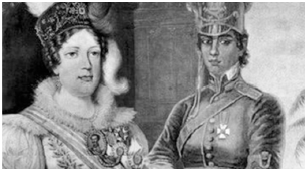
On May 13th, 1822, a group of 186 women sent Maria Leopoldina the Letter from the Bahian Women to Her Royal Highness Dona Leopoldina, congratulating her on her role in the patriotic rulings of her husband, Prince Regent Dom Pedro. The document acknowledged the contribution made by the then princess and empress-to-be to ensuring her husband’s permanence in Brazil, which they believed was a key factor in gaining independence from Portugal. “Far more than just a letter, it is a political manifesto,” notes historian Maria de Lourdes Viana Lyra. “At that time, in Brazil, women were given a subordinate role restricted to private household and family affairs. Outside the domestic sphere, women were made invisible, but that did not stop them from mobilizing politically to fight for independence in a variety of ways,” she states.
In addition to isolated actions led by famous figures, there were other many significant actions that are still largely unknown to the general public, more specifically, those related to instances of collective mobilization of women active in the public arena during the fight for Brazilian independence. Historian Andréa Slemian expands on the matter. “Throughout this process, many women expressed themselves through letters, manifestos, and other texts. Thus, the nascent press in Brazil played an important role, not only by publishing these women’s ideas regarding independence on editorial pages, for example, but also by serving as a mouthpiece for views supporting women’s rights,” notes Slemian.
Ana Paula Orlandi. Unafraid to fight. Internet:<www.revistapesquisa.fapesp.br> (adapted).
Considering the ideas and linguistic aspects of the text above, judge the following item.
In “Throughout this process”, the first word indicates that examples of women writing about their views can be found all through the process of independence.
Provas
On May 13th, 1822, a group of 186 women sent Maria Leopoldina the Letter from the Bahian Women to Her Royal Highness Dona Leopoldina, congratulating her on her role in the patriotic rulings of her husband, Prince Regent Dom Pedro. The document acknowledged the contribution made by the then princess and empress-to-be to ensuring her husband’s permanence in Brazil, which they believed was a key factor in gaining independence from Portugal. “Far more than just a letter, it is a political manifesto,” notes historian Maria de Lourdes Viana Lyra. “At that time, in Brazil, women were given a subordinate role restricted to private household and family affairs. Outside the domestic sphere, women were made invisible, but that did not stop them from mobilizing politically to fight for independence in a variety of ways,” she states.
In addition to isolated actions led by famous figures, there were other many significant actions that are still largely unknown to the general public, more specifically, those related to instances of collective mobilization of women active in the public arena during the fight for Brazilian independence. Historian Andréa Slemian expands on the matter. “Throughout this process, many women expressed themselves through letters, manifestos, and other texts. Thus, the nascent press in Brazil played an important role, not only by publishing these women’s ideas regarding independence on editorial pages, for example, but also by serving as a mouthpiece for views supporting women’s rights,” notes Slemian.
Ana Paula Orlandi. Unafraid to fight. Internet:<www.revistapesquisa.fapesp.br> (adapted).
Considering the ideas and linguistic aspects of the text above, judge the following item.
The text mentions Maria de Lourdes Viana Lyra as one of the women who, just before Brazilian independence, were in favor of Dom Pedro I’s permanence in Brazil.
Provas
On May 13th, 1822, a group of 186 women sent Maria Leopoldina the Letter from the Bahian Women to Her Royal Highness Dona Leopoldina, congratulating her on her role in the patriotic rulings of her husband, Prince Regent Dom Pedro. The document acknowledged the contribution made by the then princess and empress-to-be to ensuring her husband’s permanence in Brazil, which they believed was a key factor in gaining independence from Portugal. “Far more than just a letter, it is a political manifesto,” notes historian Maria de Lourdes Viana Lyra. “At that time, in Brazil, women were given a subordinate role restricted to private household and family affairs. Outside the domestic sphere, women were made invisible, but that did not stop them from mobilizing politically to fight for independence in a variety of ways,” she states.
In addition to isolated actions led by famous figures, there were other many significant actions that are still largely unknown to the general public, more specifically, those related to instances of collective mobilization of women active in the public arena during the fight for Brazilian independence. Historian Andréa Slemian expands on the matter. “Throughout this process, many women expressed themselves through letters, manifestos, and other texts. Thus, the nascent press in Brazil played an important role, not only by publishing these women’s ideas regarding independence on editorial pages, for example, but also by serving as a mouthpiece for views supporting women’s rights,” notes Slemian.
Ana Paula Orlandi. Unafraid to fight. Internet:<www.revistapesquisa.fapesp.br> (adapted).
Considering the ideas and linguistic aspects of the text above, judge the following item.
The statement that, in general, women were to be concerned solely with their homes and families is explained by the gender-based division of social tasks and roles in effect at that time in Brazil.
Provas
Caderno Container