Foram encontradas 1.714 questões.
Leia o texto para responder às questões de 37 a 48.
Making a career choice
A recently published study was interested in identifying the reasons why people pursue specific educational and career trajectories – like choosing a science, technology, engineering and mathematics major versus a non-STEM1 major in college. We know that having a specific academic identity, like considering oneself a “math person”, is one of the reasons people choose a corresponding career path. The study aimed at finding out when some kids start to lean toward identifying this way. It focused on math and language arts because they are the most common subjects in the U.S. K-12 system2; for example, the SAT3 has two main sections: English and math. There is also a gender stereotype that reading is for girls and math is for boys.
The investigation team analyzed data involving 142 independent samples across the world, featuring almost 211,000 students from 16 countries and regions. This data includes self-reported confidence and interest in math and language arts from students in different grades. It was found that during primary school, students who reported high confidence and interest in language arts were also likely to report high confidence and interest in math.
However, as students progress though the school years, this pattern gradually changes. In high school, students who reported high confidence and interest in language arts reported lower confidence and interest, on average, in math, and vice versa. In other words, students become more likely to think that they’re either a math person or a reading person as they progress through their school years.
The study suggests that some students develop a misconception that they can only be either a math or a reading person as they move from primary to secondary school. This misconception can have a dark side: students might disengage from subjects that they perceive as their relative weaknesses even when they are actually good at these subjects relative to other students. In other words, the misconception found in our study can lead some students to miss out on educational opportunities.
(Sirui Wan. www.theconversation.com, 29.08.2022. Adaptado)
1 STEM: Science, Technology, Engineering and Mathematics.
2 the publicly-supported school years prior to college, from kindergarden to 12th grade.
3 a standardized test widely used for college admissions in the United States.
The expression “be likely to”, used in the second and third paragraphs, is linked to the idea of
Provas

Leia o texto para responder às questões de 37 a 48.
Making a career choice
A recently published study was interested in identifying the reasons why people pursue specific educational and career trajectories – like choosing a science, technology, engineering and mathematics major versus a non-STEM1 major in college. We know that having a specific academic identity, like considering oneself a “math person”, is one of the reasons people choose a corresponding career path. The study aimed at finding out when some kids start to lean toward identifying this way. It focused on math and language arts because they are the most common subjects in the U.S. K-12 system2; for example, the SAT3 has two main sections: English and math. There is also a gender stereotype that reading is for girls and math is for boys.
The investigation team analyzed data involving 142 independent samples across the world, featuring almost 211,000 students from 16 countries and regions. This data includes self-reported confidence and interest in math and language arts from students in different grades. It was found that during primary school, students who reported high confidence and interest in language arts were also likely to report high confidence and interest in math.
However, as students progress though the school years, this pattern gradually changes. In high school, students who reported high confidence and interest in language arts reported lower confidence and interest, on average, in math, and vice versa. In other words, students become more likely to think that they’re either a math person or a reading person as they progress through their school years.
The study suggests that some students develop a misconception that they can only be either a math or a reading person as they move from primary to secondary school. This misconception can have a dark side: students might disengage from subjects that they perceive as their relative weaknesses even when they are actually good at these subjects relative to other students. In other words, the misconception found in our study can lead some students to miss out on educational opportunities.
(Sirui Wan. www.theconversation.com, 29.08.2022. Adaptado)
1 STEM: Science, Technology, Engineering and Mathematics.
2 the publicly-supported school years prior to college, from kindergarden to 12th grade.
3 a standardized test widely used for college admissions in the United States.
In the more detailed reading they make of the text, the students come across three phrases referring to the American educational system – “a non-STEM major”, “the K-12 system”, “the SAT” – and ask what they refer to. A Brazilian teacher could see the questions by the students as a privileged opportunity for a class discussion on
Provas
Leia o texto para responder às questões de 37 a 48.
Making a career choice
A recently published study was interested in identifying the reasons why people pursue specific educational and career trajectories – like choosing a science, technology, engineering and mathematics major versus a non-STEM1 major in college. We know that having a specific academic identity, like considering oneself a “math person”, is one of the reasons people choose a corresponding career path. The study aimed at finding out when some kids start to lean toward identifying this way. It focused on math and language arts because they are the most common subjects in the U.S. K-12 system2; for example, the SAT3 has two main sections: English and math. There is also a gender stereotype that reading is for girls and math is for boys.
The investigation team analyzed data involving 142 independent samples across the world, featuring almost 211,000 students from 16 countries and regions. This data includes self-reported confidence and interest in math and language arts from students in different grades. It was found that during primary school, students who reported high confidence and interest in language arts were also likely to report high confidence and interest in math.
However, as students progress though the school years, this pattern gradually changes. In high school, students who reported high confidence and interest in language arts reported lower confidence and interest, on average, in math, and vice versa. In other words, students become more likely to think that they’re either a math person or a reading person as they progress through their school years.
The study suggests that some students develop a misconception that they can only be either a math or a reading person as they move from primary to secondary school. This misconception can have a dark side: students might disengage from subjects that they perceive as their relative weaknesses even when they are actually good at these subjects relative to other students. In other words, the misconception found in our study can lead some students to miss out on educational opportunities.
(Sirui Wan. www.theconversation.com, 29.08.2022. Adaptado)
1 STEM: Science, Technology, Engineering and Mathematics.
2 the publicly-supported school years prior to college, from kindergarden to 12th grade.
3 a standardized test widely used for college admissions in the United States.
The verb “pursue” means, in the context,
Provas
Leia o texto para responder às questões de 37 a 48.
Making a career choice
A recently published study was interested in identifying the reasons why people pursue specific educational and career trajectories – like choosing a science, technology, engineering and mathematics major versus a non-STEM1 major in college. We know that having a specific academic identity, like considering oneself a “math person”, is one of the reasons people choose a corresponding career path. The study aimed at finding out when some kids start to lean toward identifying this way. It focused on math and language arts because they are the most common subjects in the U.S. K-12 system2; for example, the SAT3 has two main sections: English and math. There is also a gender stereotype that reading is for girls and math is for boys.
The investigation team analyzed data involving 142 independent samples across the world, featuring almost 211,000 students from 16 countries and regions. This data includes self-reported confidence and interest in math and language arts from students in different grades. It was found that during primary school, students who reported high confidence and interest in language arts were also likely to report high confidence and interest in math.
However, as students progress though the school years, this pattern gradually changes. In high school, students who reported high confidence and interest in language arts reported lower confidence and interest, on average, in math, and vice versa. In other words, students become more likely to think that they’re either a math person or a reading person as they progress through their school years.
The study suggests that some students develop a misconception that they can only be either a math or a reading person as they move from primary to secondary school. This misconception can have a dark side: students might disengage from subjects that they perceive as their relative weaknesses even when they are actually good at these subjects relative to other students. In other words, the misconception found in our study can lead some students to miss out on educational opportunities.
(Sirui Wan. www.theconversation.com, 29.08.2022. Adaptado)
1 STEM: Science, Technology, Engineering and Mathematics.
2 the publicly-supported school years prior to college, from kindergarden to 12th grade.
3 a standardized test widely used for college admissions in the United States.
Suppose now that, as soon as they start reading the text for greater detail, the students ask for the meaning of the word “pursue” in “why people pursue specific educational and career trajectories”. You firmly believe that it is your task to provide your students with compensatory strategies to deal with unfamiliar vocabulary. You then instruct them to:
Provas
Leia o texto para responder às questões de 37 a 48.
Making a career choice
A recently published study was interested in identifying the reasons why people pursue specific educational and career trajectories – like choosing a science, technology, engineering and mathematics major versus a non-STEM1 major in college. We know that having a specific academic identity, like considering oneself a “math person”, is one of the reasons people choose a corresponding career path. The study aimed at finding out when some kids start to lean toward identifying this way. It focused on math and language arts because they are the most common subjects in the U.S. K-12 system2; for example, the SAT3 has two main sections: English and math. There is also a gender stereotype that reading is for girls and math is for boys.
The investigation team analyzed data involving 142 independent samples across the world, featuring almost 211,000 students from 16 countries and regions. This data includes self-reported confidence and interest in math and language arts from students in different grades. It was found that during primary school, students who reported high confidence and interest in language arts were also likely to report high confidence and interest in math.
However, as students progress though the school years, this pattern gradually changes. In high school, students who reported high confidence and interest in language arts reported lower confidence and interest, on average, in math, and vice versa. In other words, students become more likely to think that they’re either a math person or a reading person as they progress through their school years.
The study suggests that some students develop a misconception that they can only be either a math or a reading person as they move from primary to secondary school. This misconception can have a dark side: students might disengage from subjects that they perceive as their relative weaknesses even when they are actually good at these subjects relative to other students. In other words, the misconception found in our study can lead some students to miss out on educational opportunities.
(Sirui Wan. www.theconversation.com, 29.08.2022. Adaptado)
1 STEM: Science, Technology, Engineering and Mathematics.
2 the publicly-supported school years prior to college, from kindergarden to 12th grade.
3 a standardized test widely used for college admissions in the United States.
The alternative which best summarizes the key ideas in the text is:
Provas
Leia o texto para responder às questões de 37 a 48.
Making a career choice
A recently published study was interested in identifying the reasons why people pursue specific educational and career trajectories – like choosing a science, technology, engineering and mathematics major versus a non-STEM1 major in college. We know that having a specific academic identity, like considering oneself a “math person”, is one of the reasons people choose a corresponding career path. The study aimed at finding out when some kids start to lean toward identifying this way. It focused on math and language arts because they are the most common subjects in the U.S. K-12 system2; for example, the SAT3 has two main sections: English and math. There is also a gender stereotype that reading is for girls and math is for boys.
The investigation team analyzed data involving 142 independent samples across the world, featuring almost 211,000 students from 16 countries and regions. This data includes self-reported confidence and interest in math and language arts from students in different grades. It was found that during primary school, students who reported high confidence and interest in language arts were also likely to report high confidence and interest in math.
However, as students progress though the school years, this pattern gradually changes. In high school, students who reported high confidence and interest in language arts reported lower confidence and interest, on average, in math, and vice versa. In other words, students become more likely to think that they’re either a math person or a reading person as they progress through their school years.
The study suggests that some students develop a misconception that they can only be either a math or a reading person as they move from primary to secondary school. This misconception can have a dark side: students might disengage from subjects that they perceive as their relative weaknesses even when they are actually good at these subjects relative to other students. In other words, the misconception found in our study can lead some students to miss out on educational opportunities.
(Sirui Wan. www.theconversation.com, 29.08.2022. Adaptado)
1 STEM: Science, Technology, Engineering and Mathematics.
2 the publicly-supported school years prior to college, from kindergarden to 12th grade.
3 a standardized test widely used for college admissions in the United States.
To introduce the reading unit, the teacher asks the students to focus on the key ideas in the text and ignore other elaborate details. While performing the activity the students will be developing a reading skill named
Provas
Leia o texto para responder às questões de 37 a 48.
Making a career choice
A recently published study was interested in identifying the reasons why people pursue specific educational and career trajectories – like choosing a science, technology, engineering and mathematics major versus a non-STEM1 major in college. We know that having a specific academic identity, like considering oneself a “math person”, is one of the reasons people choose a corresponding career path. The study aimed at finding out when some kids start to lean toward identifying this way. It focused on math and language arts because they are the most common subjects in the U.S. K-12 system2; for example, the SAT3 has two main sections: English and math. There is also a gender stereotype that reading is for girls and math is for boys.
The investigation team analyzed data involving 142 independent samples across the world, featuring almost 211,000 students from 16 countries and regions. This data includes self-reported confidence and interest in math and language arts from students in different grades. It was found that during primary school, students who reported high confidence and interest in language arts were also likely to report high confidence and interest in math.
However, as students progress though the school years, this pattern gradually changes. In high school, students who reported high confidence and interest in language arts reported lower confidence and interest, on average, in math, and vice versa. In other words, students become more likely to think that they’re either a math person or a reading person as they progress through their school years.
The study suggests that some students develop a misconception that they can only be either a math or a reading person as they move from primary to secondary school. This misconception can have a dark side: students might disengage from subjects that they perceive as their relative weaknesses even when they are actually good at these subjects relative to other students. In other words, the misconception found in our study can lead some students to miss out on educational opportunities.
(Sirui Wan. www.theconversation.com, 29.08.2022. Adaptado)
1 STEM: Science, Technology, Engineering and Mathematics.
2 the publicly-supported school years prior to college, from kindergarden to 12th grade.
3 a standardized test widely used for college admissions in the United States.
Suponha que um professor avalie como relevante trabalhar este texto com seus alunos do Ensino Médio. Consciente da importância de se considerar o contexto de produção para a compreensão do texto, em sua aula de leitura em Língua Inglesa o professor
Provas
Leia o texto para responder às questões de 37 a 48.
Making a career choice
A recently published study was interested in identifying the reasons why people pursue specific educational and career trajectories – like choosing a science, technology, engineering and mathematics major versus a non-STEM1 major in college. We know that having a specific academic identity, like considering oneself a “math person”, is one of the reasons people choose a corresponding career path. The study aimed at finding out when some kids start to lean toward identifying this way. It focused on math and language arts because they are the most common subjects in the U.S. K-12 system2; for example, the SAT3 has two main sections: English and math. There is also a gender stereotype that reading is for girls and math is for boys.
The investigation team analyzed data involving 142 independent samples across the world, featuring almost 211,000 students from 16 countries and regions. This data includes self-reported confidence and interest in math and language arts from students in different grades. It was found that during primary school, students who reported high confidence and interest in language arts were also likely to report high confidence and interest in math.
However, as students progress though the school years, this pattern gradually changes. In high school, students who reported high confidence and interest in language arts reported lower confidence and interest, on average, in math, and vice versa. In other words, students become more likely to think that they’re either a math person or a reading person as they progress through their school years.
The study suggests that some students develop a misconception that they can only be either a math or a reading person as they move from primary to secondary school. This misconception can have a dark side: students might disengage from subjects that they perceive as their relative weaknesses even when they are actually good at these subjects relative to other students. In other words, the misconception found in our study can lead some students to miss out on educational opportunities.
(Sirui Wan. www.theconversation.com, 29.08.2022. Adaptado)
1 STEM: Science, Technology, Engineering and Mathematics.
2 the publicly-supported school years prior to college, from kindergarden to 12th grade.
3 a standardized test widely used for college admissions in the United States.
The text’s content indicates that it has relied on information deriving from
Provas
Leia a tirinha.
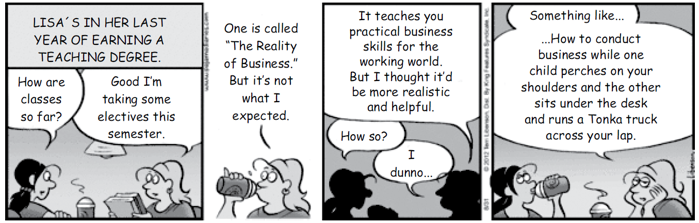
(https://comicskingdom.com)
As to the teacher’s training course she is taking, Lisa
Provas
Considere a seguinte expressão algébrica, sendo x ≠ –3:
!$ \dfrac{x^2y-9y+4x^2-36}{x+3} !$
Após simplificada, a expressão apresentada pode ser escrita na forma:
Provas
Caderno Container