Foram encontradas 434 questões.
As questões de número 11 até 20 referem-se à configuração padrão de software e hardware do fabricante. Quando aplicável, todos os softwares devem ser considerados em sua versão em português, exceto quando houver especificação em contrário.
Uma das opções presentes no menu Arquivo do MS Word 2000 é o comando Enviar para, Destinatário da mensagem (como anexo).... Este comando, se executado, faz com que
Provas

Imagine a situação descrita a seguir:
• Você trabalha freqüentemente com uma dada planilha MS Excel que reside na pasta C:\Meus Documentos.
• Você abre essa planilha para edição e faz sobre ela uma série de alterações.
• Enquanto a planilha está sendo editada você vai ao Windows Explorer e dá um duplo clique com o botão esquerdo do mouse sobre o ícone dessa mesma planilha.
• O Excel pergunta se você quer reverter para o arquivo já gravado e oferece duas possibilidades: Sim e Não.
Em relação à pergunta feita pelo Excel e suas possibilidades de resposta, é CORRETO afirmar que se o usuário escolher:
Provas
As questões de número 11 até 20 referem-se à configuração padrão de software e hardware do fabricante. Quando aplicável, todos os softwares devem ser considerados em sua versão em português, exceto quando houver especificação em contrário.
Observe a seguinte seqüência de digitação de um texto no Microsoft Word 2000:
Antes da mudança de linha:

Após a mudança de linha:

Perceba que o Word introduziu um hyperlink no texto digitado. Em relação a esse hyperlink, é INCORRETO afirmar que:
Provas
READ TEXT II AND ANSWER QUESTIONS 19 TO 24:
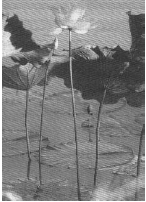
In 1984, the American botanist Jane Shen-Miller was visiting China when scientists there gave her a weird present – a bunch of brown seeds the size of large marbles. She forgot about them for 10 years until she found out they were extremely old lotus seeds. They came from a dried lake bed in China where, centuries ago, Buddhists had grown lotus plants as a sacred symbol of purity.
Ironically, Chairman Mao’s abortive Great Leap Forward in 1958 had brought the lotus fruits to the surface when the local peat was dug up for agriculture.
The seeds were easy to germinate, and once sprouted, Shen-Miller could measure their age. The results were astonishing. They were centuries old and one dated back 1,288 years, the oldest seed ever germinated. When the results were published, word got out that the seeds held the secret of long life, the ancient lake site turned into a tourist attraction and the seeds rapidly disappeared.
When Shen-Miller returned to the site recently, she salvaged 60 specimens. Since then, she and other researchers have been unlocking the secrets of the seeds’ longevity. Each seed is sealed hermetically inside a thick shell. They contain an incredibly tough protein able to survive temperatures up to 110º C, which helps protect the seed in a harsh environment. Another enzyme, methyl transferase, which repairs damage to the seeds’ proteins, is also found in humans and other creatures. There are also high levels of ascorbic acid and glutathione, which help keep proteins fit and healthy and protect cells from damage by free radicals – one of the causes of advancing age in humans.
(The Guardian, March 21, 2002: 11)
Provas
READ TEXT II AND ANSWER QUESTIONS 19 TO 24:
In 1984, the American botanist Jane Shen-Miller was visiting China when scientists there gave her a weird present – a bunch of brown seeds the size of large marbles. She forgot about them for 10 years until she found out they were extremely old lotus seeds. They came from a dried lake bed in China where, centuries ago, Buddhists had grown lotus plants as a sacred symbol of purity.
Ironically, Chairman Mao’s abortive Great Leap Forward in 1958 had brought the lotus fruits to the surface when the local peat was dug up for agriculture.
The seeds were easy to germinate, and once sprouted, Shen-Miller could measure their age. The results were astonishing. They were centuries old and one dated back 1,288 years, the oldest seed ever germinated. When the results were published, word got out that the seeds held the secret of long life, the ancient lake site turned into a tourist attraction and the seeds rapidly disappeared.
When Shen-Miller returned to the site recently, she salvaged 60 specimens. Since then, she and other researchers have been unlocking the secrets of the seeds’ longevity. Each seed is sealed hermetically inside a thick shell. They contain an incredibly tough protein able to survive temperatures up to 110º C, which helps protect the seed in a harsh environment. Another enzyme, methyl transferase, which repairs damage to the seeds’ proteins, is also found in humans and other creatures. There are also high levels of ascorbic acid and glutathione, which help keep proteins fit and healthy and protect cells from damage by free radicals – one of the causes of advancing age in humans.
(The Guardian, March 21, 2002: 11)
Provas
READ TEXT II AND ANSWER QUESTIONS 19 TO 24:
In 1984, the American botanist Jane Shen-Miller was visiting China when scientists there gave her a weird present – a bunch of brown seeds the size of large marbles. She forgot about them for 10 years until she found out they were extremely old lotus seeds. They came from a dried lake bed in China where, centuries ago, Buddhists had grown lotus plants as a sacred symbol of purity.
Ironically, Chairman Mao’s abortive Great Leap Forward in 1958 had brought the lotus fruits to the surface when the local peat was dug up for agriculture.
The seeds were easy to germinate, and once sprouted, Shen-Miller could measure their age. The results were astonishing. They were centuries old and one dated back 1,288 years, the oldest seed ever germinated. When the results were published, word got out that the seeds held the secret of long life, the ancient lake site turned into a tourist attraction and the seeds rapidly disappeared.
When Shen-Miller returned to the site recently, she salvaged 60 specimens. Since then, she and other researchers have been unlocking the secrets of the seeds’ longevity. Each seed is sealed hermetically inside a thick shell. They contain an incredibly tough protein able to survive temperatures up to 110º C, which helps protect the seed in a harsh environment. Another enzyme, methyl transferase, which repairs damage to the seeds’ proteins, is also found in humans and other creatures. There are also high levels of ascorbic acid and glutathione, which help keep proteins fit and healthy and protect cells from damage by free radicals – one of the causes of advancing age in humans.
(The Guardian, March 21, 2002: 11)
Provas
READ TEXT II AND ANSWER QUESTIONS 19 TO 24:
In 1984, the American botanist Jane Shen-Miller was visiting China when scientists there gave her a weird present – a bunch of brown seeds the size of large marbles. She forgot about them for 10 years until she found out they were extremely old lotus seeds. They came from a dried lake bed in China where, centuries ago, Buddhists had grown lotus plants as a sacred symbol of purity.
Ironically, Chairman Mao’s abortive Great Leap Forward in 1958 had brought the lotus fruits to the surface when the local peat was dug up for agriculture.
The seeds were easy to germinate, and once sprouted, Shen-Miller could measure their age. The results were astonishing. They were centuries old and one dated back 1,288 years, the oldest seed ever germinated. When the results were published, word got out that the seeds held the secret of long life, the ancient lake site turned into a tourist attraction and the seeds rapidly disappeared.
When Shen-Miller returned to the site recently, she salvaged 60 specimens. Since then, she and other researchers have been unlocking the secrets of the seeds’ longevity. Each seed is sealed hermetically inside a thick shell. They contain an incredibly tough protein able to survive temperatures up to 110º C, which helps protect the seed in a harsh environment. Another enzyme, methyl transferase, which repairs damage to the seeds’ proteins, is also found in humans and other creatures. There are also high levels of ascorbic acid and glutathione, which help keep proteins fit and healthy and protect cells from damage by free radicals – one of the causes of advancing age in humans.
(The Guardian, March 21, 2002: 11)
Provas
READ TEXT II AND ANSWER QUESTIONS 19 TO 24:
In 1984, the American botanist Jane Shen-Miller was visiting China when scientists there gave her a weird present – a bunch of brown seeds the size of large marbles. She forgot about them for 10 years until she found out they were extremely old lotus seeds. They came from a dried lake bed in China where, centuries ago, Buddhists had grown lotus plants as a sacred symbol of purity.
Ironically, Chairman Mao’s abortive Great Leap Forward in 1958 had brought the lotus fruits to the surface when the local peat was dug up for agriculture.
The seeds were easy to germinate, and once sprouted, Shen-Miller could measure their age. The results were astonishing. They were centuries old and one dated back 1,288 years, the oldest seed ever germinated. When the results were published, word got out that the seeds held the secret of long life, the ancient lake site turned into a tourist attraction and the seeds rapidly disappeared.
When Shen-Miller returned to the site recently, she salvaged 60 specimens. Since then, she and other researchers have been unlocking the secrets of the seeds’ longevity. Each seed is sealed hermetically inside a thick shell. They contain an incredibly tough protein able to survive temperatures up to 110º C, which helps protect the seed in a harsh environment. Another enzyme, methyl transferase, which repairs damage to the seeds’ proteins, is also found in humans and other creatures. There are also high levels of ascorbic acid and glutathione, which help keep proteins fit and healthy and protect cells from damage by free radicals – one of the causes of advancing age in humans.
(The Guardian, March 21, 2002: 11)
Provas
READ TEXT I AND ANSWER QUESTIONS 15 TO 18: TEXT I
Illegal trade threatens African orchids
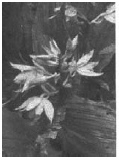
Many species of wild African orchids are threatened because of an increased international demand for their roots as a culinary delicacy, according to research from the Wildlife Conservative Society (WCS). The report, released this week, documents for the first time the growing body of illegal trade between Tanzania and neighboring Zambia. “Millions of orchids are being virtually strip-mined from Tanzania’s Southern Highlands,” says co-author Tim Davenport, a WCS conservation biologist. “At current rates, many species will be wiped out in a matter of a few years”...
The WCS is currently backing an effort to turn a section of the Southern Highlands, the Kitulo Plateau, into a national park. The scientists note that although the monetary value of the illegal trade is significant, it pales in comparison to potential tourism revenue. Unfortunately, the Southern Highlands area is losing portions of its natural resources at an alarming rate, which hampers tourism development. “The current trade in orchid tubers for consumption in Zambia is neither environmentally nor economically in the best interest of Tanzania,” Davenport notes.
(http://sciam.com/news/August 2, 2001)
Provas
READ TEXT I AND ANSWER QUESTIONS 15 TO 18: TEXT I
Illegal trade threatens African orchids
Many species of wild African orchids are threatened because of an increased international demand for their roots as a culinary delicacy, according to research from the Wildlife Conservative Society (WCS). The report, released this week, documents for the first time the growing body of illegal trade between Tanzania and neighboring Zambia. “Millions of orchids are being virtually strip-mined from Tanzania’s Southern Highlands,” says co-author Tim Davenport, a WCS conservation biologist. “At current rates, many species will be wiped out in a matter of a few years”...
The WCS is currently backing an effort to turn a section of the Southern Highlands, the Kitulo Plateau, into a national park. The scientists note that although the monetary value of the illegal trade is significant, it pales in comparison to potential tourism revenue. Unfortunately, the Southern Highlands area is losing portions of its natural resources at an alarming rate, which hampers tourism development. “The current trade in orchid tubers for consumption in Zambia is neither environmentally nor economically in the best interest of Tanzania,” Davenport notes.
(http://sciam.com/news/August 2, 2001)
Provas
Caderno Container